
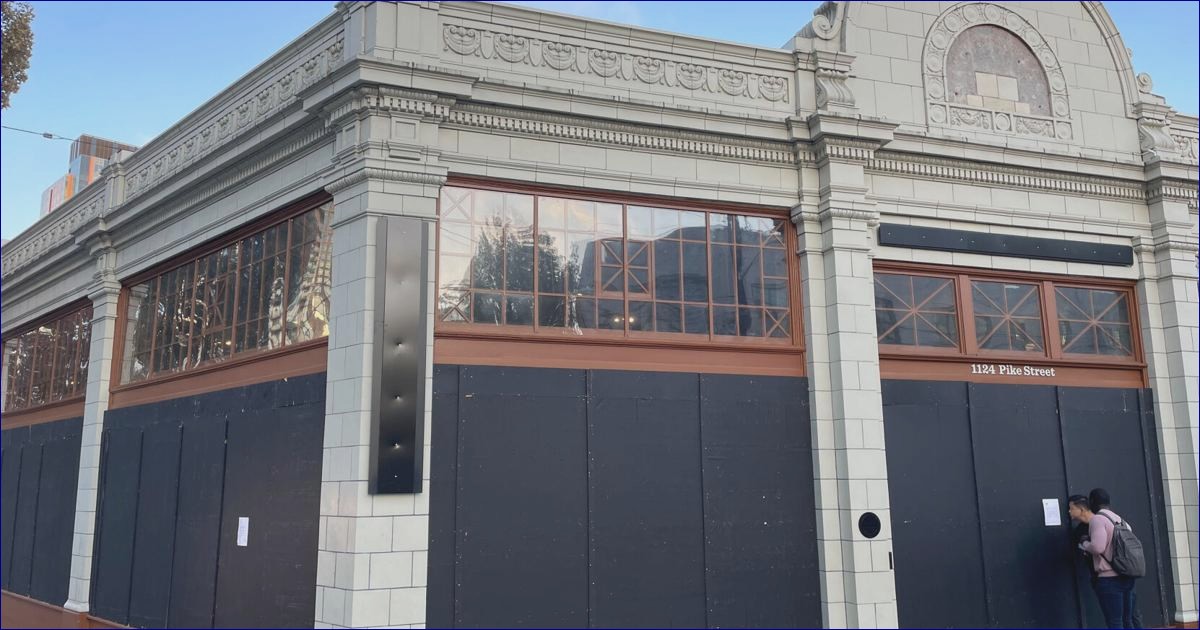
Starbucks Faces Changes Amid Store Closures
Seattle, WA – Deanna Meyerhoff, a long-time resident of Seattle, remembers when Starbucks was rapidly expanding in the city. Having moved there in 1993, she often visited her local Starbucks for a pink drink or iced black tea lemonade while walking her dog with her daughter. Unfortunately, those cozy moments are now just memories, as her favorite Starbucks in Haller Lake has recently closed, part of a broader series of store closures announced by the company.
Meyerhoff reflected on this change, saying, “When it’s a local company, it definitely hits differently.” She pointed out the pressure companies face to grow and maintain profits, noting, “You grow or you die.” This sentiment is echoed by some who view Starbucks’ recent $1 billion restructuring plan, which includes layoffs and store closures, as an effort to appease investors.
Like many other large coffee chains, Starbucks is striving to rise above fierce competition and attract more customers while dealing with challenges such as increased production costs and tariffs. The company reported mixed results for the last quarter: revenue was up, but profits had nearly halved compared to the same time last year. Starbucks CEO Brian Niccol emphasized his commitment to improving the overall experience for customers and enhancing the business.
Changes Ahead
Seattle coffee enthusiasts have begun to take notice of the store closures, sparking disappointment among many. Laurie Fryett, a frequent customer at the now-closed Mill Creek Town Center location, expressed her sadness. “I’m disappointed that Starbucks is closing neighborhood spots. It’s a great place to relax and connect with friends,” she said.
Although Starbucks has not disclosed the exact number of closures, many customers were shocked to see well-loved locations shut down. Niccol explained that decisions about store operations are influenced by various factors, including financial performance and lease agreements.
Fryett longs for a nearby Starbucks with a patio where she can enjoy her hot chocolate in the sun. As customers search for new gathering spots, many employees face uncertain futures. The restructuring plan includes another wave of layoffs, with hundreds of retail workers likely to lose their jobs as stores close, following earlier job cuts earlier this year.
Starbucks has assured affected workers that they will be notified and may have the option to transfer or receive a severance package. “We’re focused on helping our partners understand the opportunities available to them,” Niccol said, referring to employees as partners.
Navigating Challenges
Niccol joined Starbucks during a challenging time for the company. In 2024, profits and revenue took a significant hit, leading to a sharp decline in stock prices, as reported by Bloomberg. With a history of reviving struggling companies, Niccol hoped to reassure shareholders and improve the Starbucks experience.
Howard Schultz, the former CEO, praised Niccol for his retail skills and ability to lead a values-driven organization. However, Niccol faces additional hurdles related to rising production costs, the aftermath of the COVID-19 pandemic, and increasing competition in the coffee market.
In response, Niccol introduced a “Back to Starbucks” plan, aimed at empowering baristas and enhancing customer experiences, including adjusting pricing and reducing mobile orders. During the recent announcement of closures, Niccol indicated that these changes are part of his broader strategy to rejuvenate the Starbucks experience across its locations.
Coffee industry consultant Chris Deferio noted that Starbucks is striving to create a more inviting atmosphere, moving away from a purely transactional model. However, he suggested that Starbucks needs to focus more on training staff and meeting employee needs to truly improve customer experiences.
Future Growth
Over the years, Starbucks has focused on expanding globally, using various strategies to establish its brand in international markets. Despite the recent turbulence, the company remains committed to its growth plans and continues to adapt to the challenges facing the coffee industry.
