
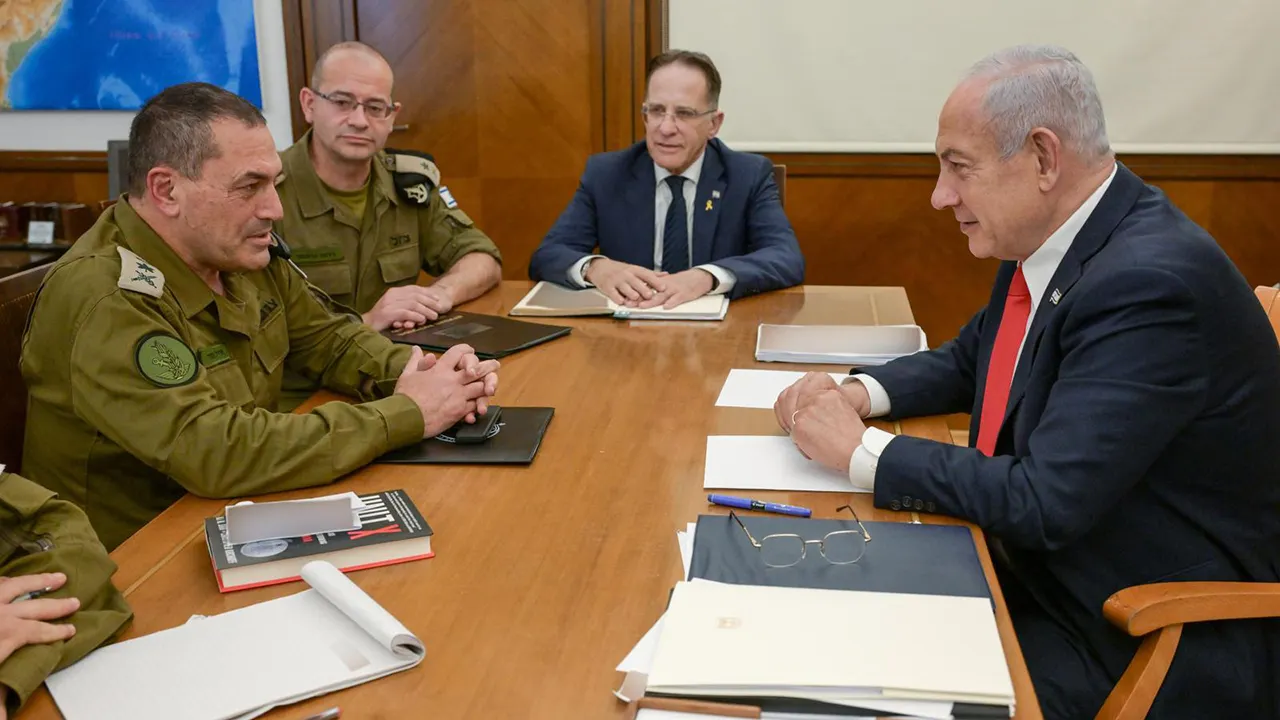
Military Chief Opposes Gaza Occupation, Advocates for Negotiation Strategy
Israel’s leading military official, Lt. Gen. Eyal Zamir, is against a complete military takeover of Gaza, favoring instead the Witkoff plan, according to several senior sources. Amid ongoing discussions about Israel’s future actions, Zamir is urging the government to consider negotiations instead of a ground invasion.
“Based on his experience in this war, the chief of staff believes it’s essential to save the hostages through a deal, rather than risking their lives with a military operation,” stated a former senior official from the Israel Defense Forces (IDF) recently. The warning comes after a distressing incident in Rafah where hostages were executed as Israeli forces advanced.
Prime Minister Benjamin Netanyahu has repeatedly emphasized that Israel does not aim to occupy Gaza but to free it from Hamas control. He asserts that capturing Gaza City is necessary to secure the release of around 48 hostages currently held there.
However, analysis from a former official suggests that military pressure has nudged Hamas back towards discussions based on the Witkoff framework established on July 29. The general opposes the idea of military governance in Gaza and believes a political solution should be pursued for the post-war situation. He is confident that the IDF can continue its operations if needed after an agreement is reached.
The Israeli Prime Minister’s office responded by stating that the cabinet has approved the operational plans proposed by Zamir. Recent reports suggest that attacks on Hamas leadership may have been strategically timed to disrupt negotiations for peace.
Both Zamir and the head of the Mossad are said to have opposed the timing of a recent operation targeting Hamas in Doha, suggesting that it was ill-advised to act without first gauging Hamas’s response in ongoing negotiations.
In discussions with the Security Cabinet, Zamir has reiterated the potential of the Witkoff plan—proposing a 60-day Israeli withdrawal in exchange for the release of hostages, while allowing Israel to respond militarily if Hamas fails to comply.
President Donald Trump expressed concerns over Hamas potentially using hostages as human shields, emphasizing the gravity of the situation and urging for their immediate release.
The ongoing conflict between Israel and Hamas continues to evoke strong opinions and calls for strategic decision-making in hopes of addressing both security concerns and the humanitarian crisis.
