
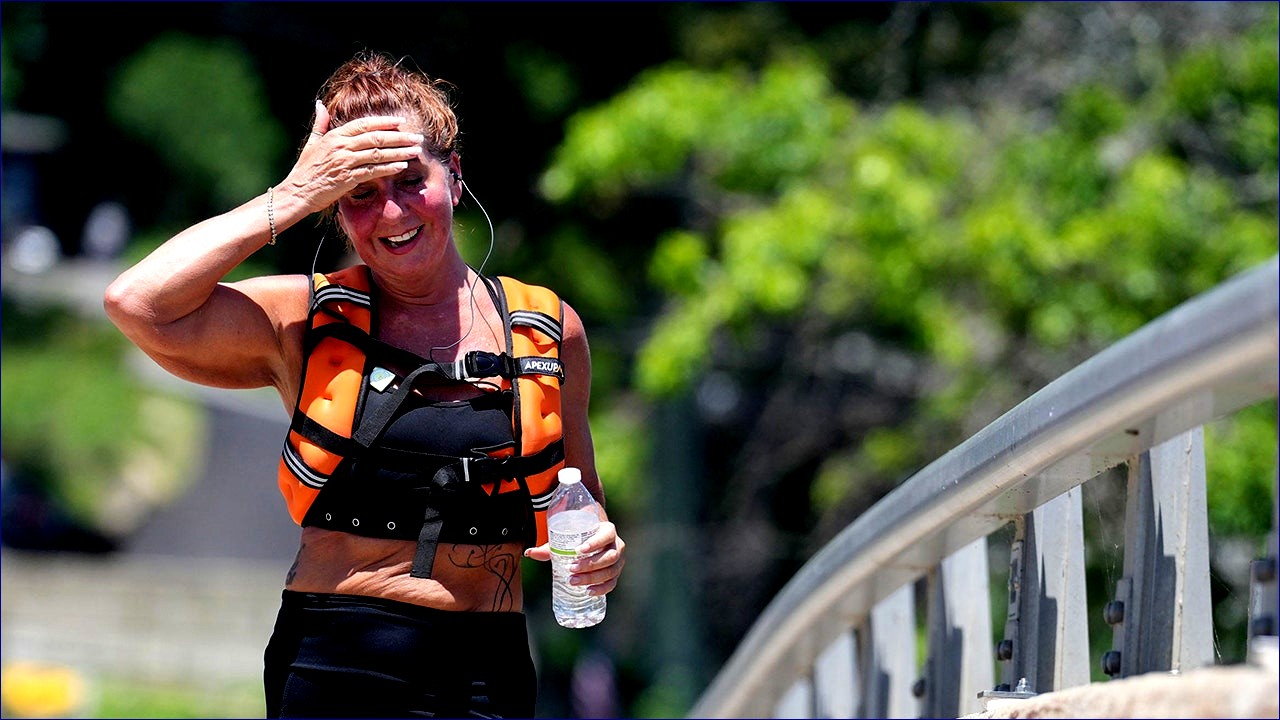
New Fitness Trend: The Rise of Weighted Vests
A new fitness trend is taking social media by storm, inspired by tried-and-true military training techniques. Fitness influencers are promoting weighted vests as a “best-kept secret,” claiming these vests can help people shed pounds and transform their bodies when worn during walks and workouts. The hashtag #weightedvest has amassed over 30 million views on TikTok.
Dr. Mark Kovacs, a sports scientist based in Atlanta, notes that weighted vests aren’t new; they have been used in athletic and military training for many years. “Social media has brought them back into the spotlight,” he explains.
Weighted vests turn simple walking into a more vigorous workout without needing to change the activity. Historically, soldiers have marched with heavy backpacks—a practice known as “rucking”—to enhance their endurance. Athletes and even firefighters have also relied on weighted vests. Today, these vests can be found online starting at about $30, or up to $375 for premium versions from fitness brands like Equinox. The modern designs are sleeker and more comfortable, which may contribute to the trend’s longevity.
Sarah Fuhrmann, a certified trainer from Michigan, emphasizes that the appeal of these vests lies in their ease of use. “You just strap it on and walk,” she says, noting how social media makes older training tools feel fresh and exciting.
On a recent podcast, researcher Michael Easter spoke about how humans are naturally built to carry heavy objects over long distances. He pointed out that throughout history, we have carried various items—food, tools, and even children—making our bodies well-adapted for it.
While weighted vests have sparked interest, experts advise caution. Further research is needed to fully understand their benefits. Although some studies suggest that using a weighted vest can increase calorie burn and enhance certain strength exercises, the long-term effects on bone health remain unclear. One study found that while obese adults wearing weighted vests lost weight, they did not see improvements in hip bone density.
Dr. Colin Haines, a spine surgeon, notes that research on this topic is mixed, with some studies showing positive results and others showing no benefits at all. Yet, earlier studies from the 1990s hinted at improved bone growth among certain groups, especially postmenopausal women.
For those interested in trying out weighted vests, experts recommend starting small. A vest weighing 5 to 10 pounds, or no more than 10% of your body weight, is ideal for beginners. It’s important to select a vest that distributes weight evenly and has adjustable straps. Starting with short sessions of 15 to 30 minutes, two to three times a week, is advised.
Kovacs suggests maintaining good posture while gradually increasing the weight. “Listen to your body; discomfort should prompt you to ease off,” he cautions. While weighted walking can complement traditional strength training, it shouldn’t replace it entirely. It provides a gentler method for increasing workout intensity, especially for those who may struggle with running or high-impact exercises.
Fuhrmann agrees that traditional strength training remains the best way to strengthen bones and muscles. “Weighted vests might make your walks more enjoyable, but they aren’t a shortcut to fitness,” she says. If they encourage more movement, that’s great, but a solid strength-training routine should be a priority.
As interest in weighted vests continues to grow, it’s essential to approach this trend thoughtfully and prioritize personal safety and well-being in fitness routines.
