
Women in Business: A Historical Perspective
Recent insights into history reveal that women have played vital roles in business, challenging the stereotype that this field was solely for men. Many stories of female entrepreneurs, bankers, and industrialists have been overlooked, despite their significant contributions to our economy over the centuries.
At the British Museum, there’s an uncommon collection of women’s business cards from the 18th century, including one belonging to Ann Askew, a shoemaker in London. Her card features a large boot symbol, indicating her shop’s location, a clever way before street numbers were common. This card highlights not only that she sold various types of footwear but also that she exported them internationally. Askew is just one of many women documented in history as fan-makers, hat-makers, and more, showing that women have always been involved in business.
Often, we picture men as the primary breadwinners, spending their lives working in manual labor or trade, while women are thought to have operated in domestic spheres. This notion mostly overlooks the fact that women were integral to the economy long before the modern era.
In her new book, Economica: A Global History of Women, Wealth and Power, Dr. Victoria Bateman sheds light on this hidden history. She explores how women have contributed from the Stone Age, where they hunted alongside men, to ancient Rome, where they were instrumental in various trades. This book highlights many forgotten names, showcasing the impact of women who helped advance economies over time.
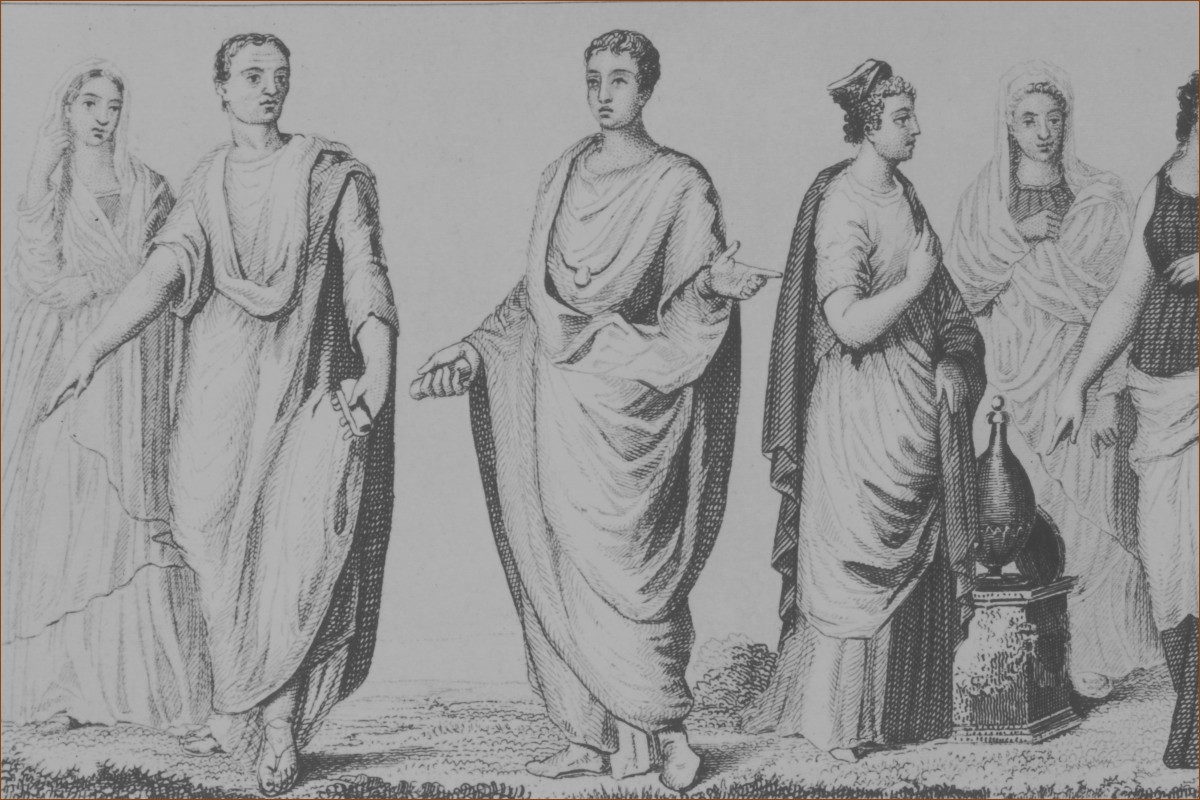
For instance, Julia Felix of Roman Pompeii built a thriving property business, showcasing market scenes in her establishments, which revealed a positive view of commerce. Unlike in ancient Athens, the Roman society allowed for more economic involvement for women.
Another notable female figure is Khadija, a prominent merchant in sixth-century Mecca. She led a successful trading business, transporting goods across the Arabian deserts and later married Muhammad, who became a key figure in the emergence of Islam.
During the Middle Ages and beyond, women continued to influence commerce. In the 18th century, Priscilla Wakefield opened the first bank for women and children, making banking accessible to everyone.
Meanwhile, in the US, Hetty Green earned the nickname ‘Witch of Wall Street’ due to the broader society’s reluctance to credit her financial success. Despite her considerable wealth, she lived modestly, believing in sound investment strategy over lavishness.
These stories reveal that the world of business has never been a male-only arena. Recognizing the accomplishments of women in business is crucial for understanding the full tapestry of economic history. History is richer and more diverse than often portrayed, and acknowledging women’s roles shows that business indeed involves all.
By uncovering these narratives, we can reshape our understanding of commerce, emphasizing that it has always included contributions from both genders, paving the way for a more inclusive view of economic history.
