
US Vice President Highlights Tariffs on India in Relation to Russia-Ukraine Talks
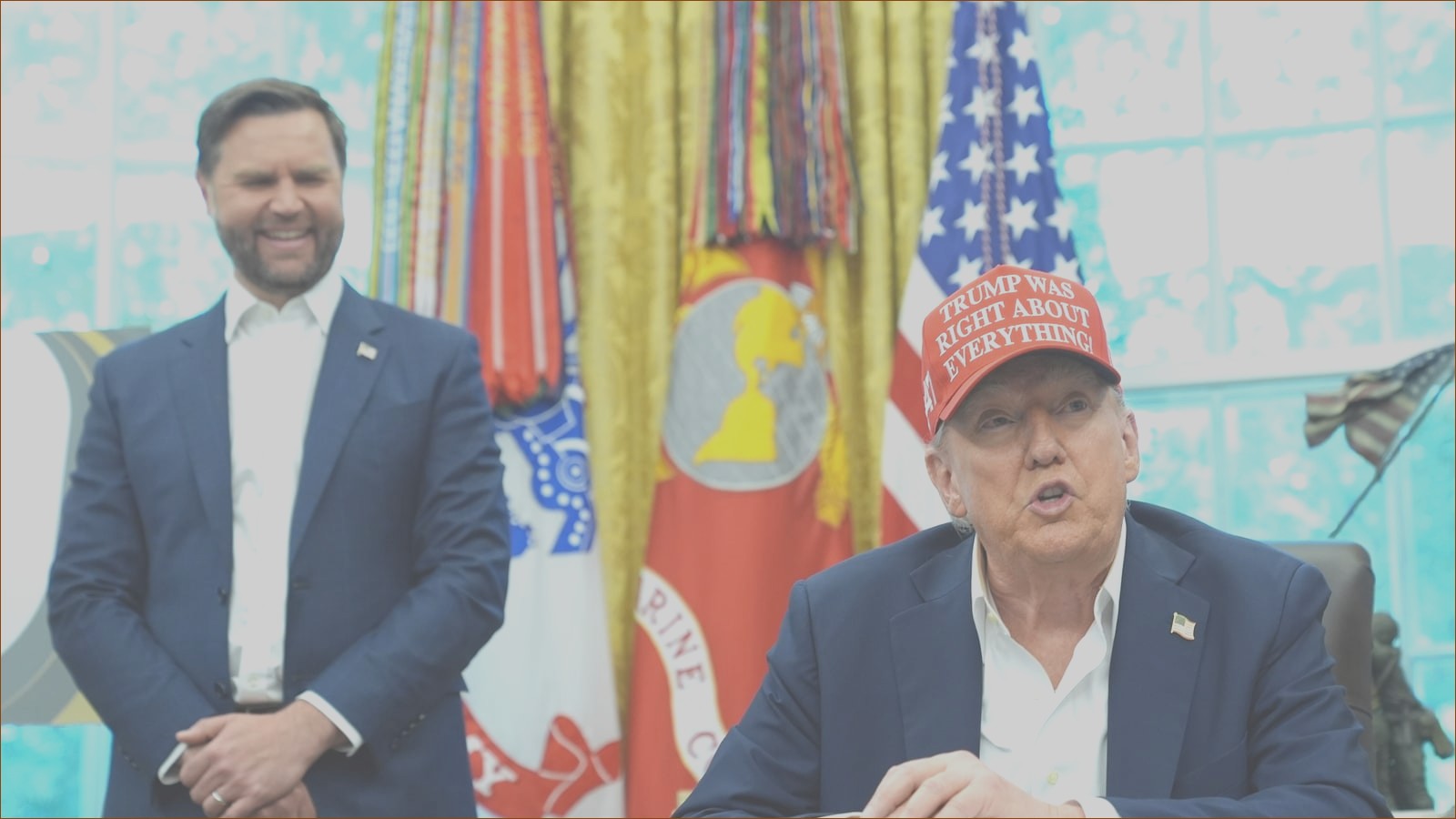
In a recent NBC interview, US Vice President JD Vance pointed to the tariffs imposed on India as a key factor in encouraging Russia to engage in discussions aimed at resolving the ongoing conflict in Ukraine. This statement comes amid growing international attention as Russian President Vladimir Putin has met with US President Donald Trump in Alaska, with talks surrounding a potential meeting with the leader of Ukraine still uncertain.
Vance explained, “The President (Donald Trump) has applied strong economic pressure, such as secondary tariffs on India, to make it tougher for Russia to benefit from its oil market.” Currently, India faces a 25% tariff on its oil exports to the US, with another similar rate expected soon due to its ongoing purchases of Russian oil since the beginning of the war.
India has raised concerns regarding these tariffs, emphasizing that the US had previously encouraged it to buy energy at lower prices. The Modi administration continues to strengthen its longstanding ties with Russia while also trying to mend its relationship with China, with Prime Minister Modi planning a visit to China for international talks. It is reported that he may also have a personal meeting with Chinese President Xi Jinping.
Recently, India’s Foreign Minister S. Jaishankar pointed out that India is not the largest buyer of Russian oil; that title goes to China. During the interview, Vance was asked why China had not yet faced similar tariffs. He responded by noting that both countries are significant buyers of Russian oil. He highlighted that while tariffs on China are at 54%, the US is encouraging China to improve its partnership.
Furthermore, Trump has recently added a 90-day extension to U.S. tariffs on China, as negotiations regarding a trade agreement continue. Officials from the US have made it clear that India’s situation is considered different from China’s due to its recent resale practices, which they say leads to profiteering from Russian oil.
Vance concluded by noting that the economic leverage on Russia could be adjusted depending on how successfully the US mediates to bring about an end to the Ukraine war.
