
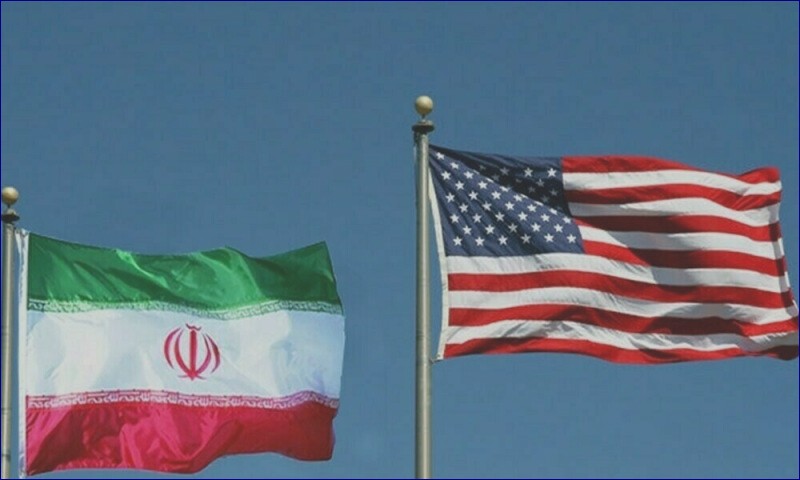
DUBAI: Negotiators from Iran and the United States are set to resume discussions this Sunday regarding Iran’s controversial nuclear program. This dialogue comes as the U.S. takes a firmer stance ahead of President Donald Trump’s upcoming visit to the Middle East.
Both sides have expressed a preference for diplomacy to end the long-standing tensions, but significant disagreements remain. The negotiators must navigate these differences to formulate a new nuclear deal and prevent any potential military conflict.
Iranian Foreign Minister Abbas Araqchi will meet with U.S. Middle East envoy Steve Witkoff in Muscat, facilitated by Omani officials. Despite the tough public stance from Washington—highlighted by Witkoff’s comments on a complete halt to Iran’s enrichment activities—both nations are engaged in these important talks. Witkoff emphasized that if Sunday’s discussions do not yield positive outcomes, the U.S. might consider alternative actions.
With Trump set to visit Saudi Arabia, Qatar, and the UAE from May 13 to May 16, the stakes are high. Araqchi reiterated that Iran would not compromise its nuclear rights, stating, “We are negotiating in good faith… but we will not retreat from our rights.”
While Iranian officials are open to discussing limitations on their nuclear activities in exchange for eased sanctions, they remain firm on key issues. The demand from the U.S. for a complete cessation of enrichment and the dismantling of nuclear sites in Natanz, Fordow, and Isfahan is seen as non-negotiable by Iranian leadership.
An Iranian official close to the negotiation team mentioned that the public comments from the U.S. do not align with what is said during negotiations. They anticipate that the upcoming talks could clarify the ongoing issues, which had originally been scheduled for May 3 in Rome but were postponed due to logistical challenges.
Furthermore, Iran has ruled out any discussions surrounding its ballistic missile program. The clerical leadership seeks strong assurances that Trump will not abandon any new nuclear agreement. Since re-entering office, Trump has reinstated a vigorous campaign of sanctions against Iran, having exited the 2015 nuclear deal with six other countries and reintroducing harsh penalties.
Iran, which insists that its nuclear pursuits are peaceful, has breached the 2015 agreement’s limitations since 2019. The country has significantly increased its uranium enrichment levels, now reaching up to 60% purity, nearing the threshold that qualifies as weapons-grade, according to reports from the UN nuclear watchdog.
