
On Wednesday, Prime Minister Narendra Modi and French President Emmanuel Macron visited the Mazargues War Cemetery in Marseille. They honored the bravery of Indian soldiers who lost their lives in World War I and World War II.
In a post on X, Prime Minister Modi expressed, “At Mazargues War Cemetery, President Macron and I paid homage to the soldiers who fought in the World Wars. This includes several Indian soldiers who fought valiantly and showed remarkable courage. They answered the call of duty, and their heroism will always be remembered.”
President Macron also shared a heartfelt message, reflecting on the sacrifice of Indian soldiers who fought for France during World War I. He noted that in 1914, more than 100,000 Indian soldiers offered their lives for France, and tragically, about 10,000 of them never returned. “Their sacrifice binds France and India forever,” he stated.
He highlighted that many of these soldiers arrived in Marseille before heading to the front lines, unaware of the dangers awaiting them. His comments emphasized the contributions of Indian troops in battles against invading German forces at that time.
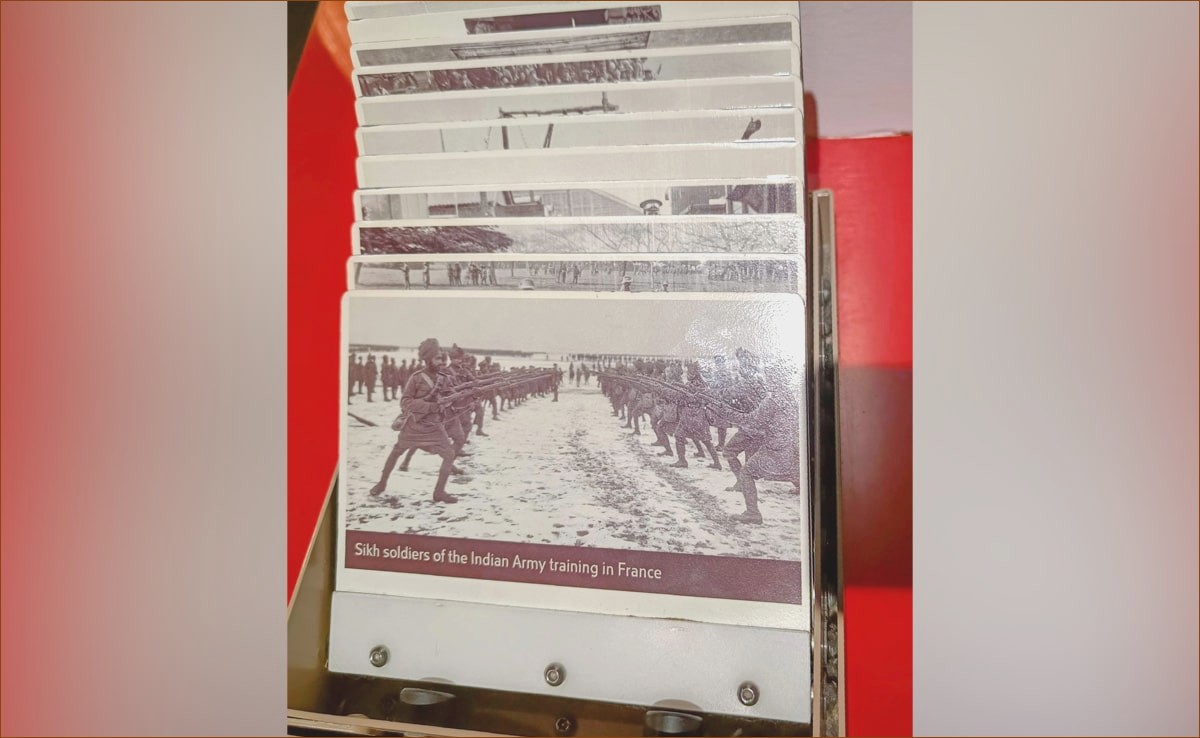
During the war, India, then a British colony, sought greater political autonomy, believing that supporting the British war effort would help its cause. The British military was suffering heavy losses, prompting the War Council in London to deploy Indian divisions to help.
Indian soldiers faced tough challenges on the battlefield, as they were not used to the cold and muddy conditions. Many suffered from illnesses, and accounts describe the horrific environment they endured. Despite the difficulties, Indian troops played crucial roles in several significant battles.
Although the Indian soldiers demonstrated great valor, they faced organizational challenges and shortages in proper training and replacements. Even still, they fought with resilience and determination, showcasing the extraordinary spirit of the Indian soldier.
One famous example of bravery from that time includes Sepoy Khudadad Khan, who, during the battle of Ypres in late 1914, kept firing his machine gun until he was overtaken by German forces. He became the first Indian to receive the Victoria Cross, Britain’s highest military honor.
Letters from soldiers reveal the emotional weight of their experiences. One soldier expressed pride in dying a warrior’s death, while another wrote about the desperate conditions and uncertainty of survival.
Following their visit, both leaders paid tribute to the lasting legacy of these soldiers whose sacrifices forged a deeper bond between India and France. Their stories of bravery remind us of the enduring spirit of those who served.
