
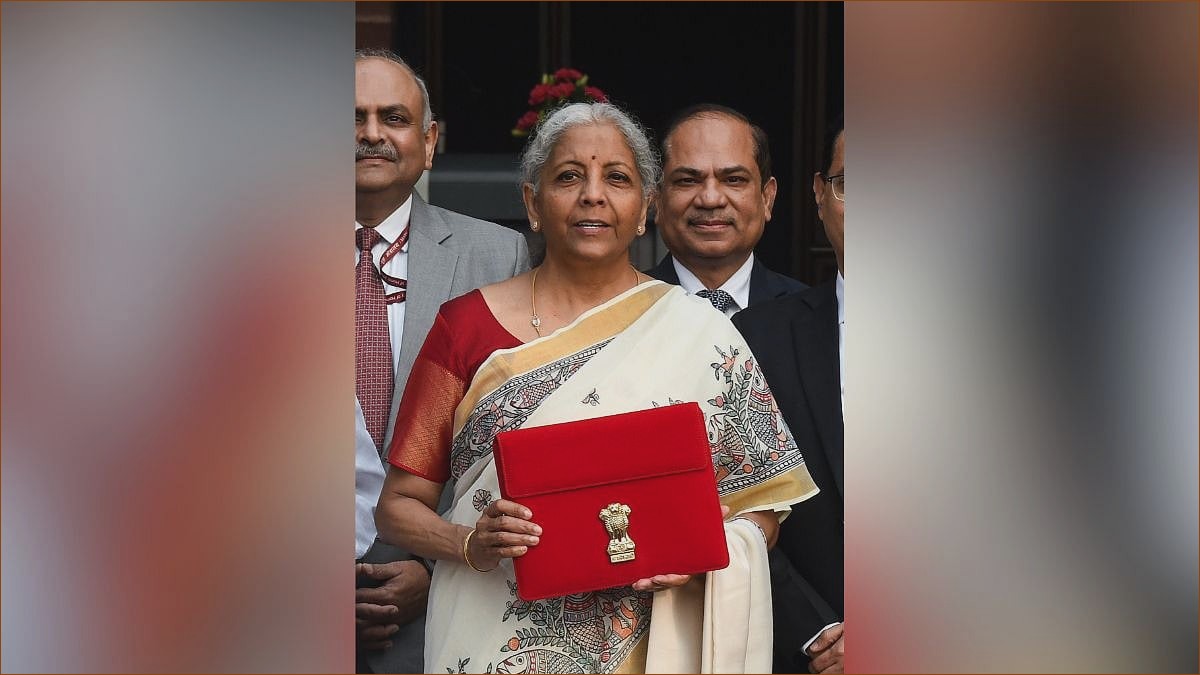
In a recent update, Finance Minister Nirmala Sitharaman unveiled the eighth Union Budget, which has brought a wave of relief to the Indian middle class. However, many Non-Resident Indians (NRIs) are left feeling let down by the government’s proposals.
The Indian diaspora was eagerly anticipating beneficial changes in the budget, but unfortunately, many of their expectations went unmet. With approximately 35.4 million NRIs and people of Indian origin living abroad, this group plays a crucial role in India’s economic progress. In 2024, India saw a record $129.1 billion in remittances from NRIs, highlighting their significant contribution.
Historically, NRIs have voiced dissatisfaction over previous budgets due to unaddressed issues such as the need for investment-friendly policies, streamlined regulations, comprehensive social security for migrant workers, and involvement in government-backed savings schemes like the sovereign gold bond scheme. Additionally, concerns about high airfare during busy travel seasons have also been raised.
This year’s budget introduced stricter tax regulations for NRIs, impacting students and young professionals working overseas. Those studying and working in countries like the UK, US, Canada, and Australia will face increased reporting requirements and tax obligations, with penalties for non-compliance. This development complicates financial matters for NRIs, as the government aims to align tax laws with international norms.
On a brighter note, NRIs can still benefit from the personal tax relief directed at Indian residents, particularly regarding domestic income. The raised basic exemption limit and updated tax slabs offer some respite. There were also adjustments made to tax laws aimed at attracting NRI investments, including aligning long-term capital gains tax rates with those for residents, shortening the holding period for long-term assets from 36 to 24 months, and proposing presumptive taxation for select foreign entities. However, many of the NRIs’ long-standing requests remain unaddressed.
In terms of the currency, the Indian rupee is expected to face pressure in the short term due to consistent forex outflows, the US Federal Reserve’s strict stance, and ongoing trade policies. Despite the record remittances in 2024, India’s forex reserves dropped from $704.90 billion in September 2024 to $624 billion, the lowest level since March 2024. Fortunately for NRIs and exporters, a weaker rupee means they receive more value for their earnings.
Looking ahead, upcoming reviews by the Reserve Bank of India (RBI) may provide insights into potential currency movements, while the budget for 2025-26 is anticipated to implement reforms across various sectors, focusing on boosting domestic growth and fiscal stability.
Positive plans include 100% Foreign Direct Investment (FDI) in insurance, limiting the fiscal deficit to 4.4% of GDP, enhancements to ease business operations, and increased capital spending. These initiatives, along with measures aimed at bolstering the export sector, are expected to positively influence India’s trade deficit.
While this year’s budget has been a victory for the Indian middle class, NRIs are still waiting for resolution on their unmet demands, despite their substantial contributions to the Indian economy through remittances.
