
Modi Urges Police to Embrace ‘SMART’ Policing Amid Digital Threats
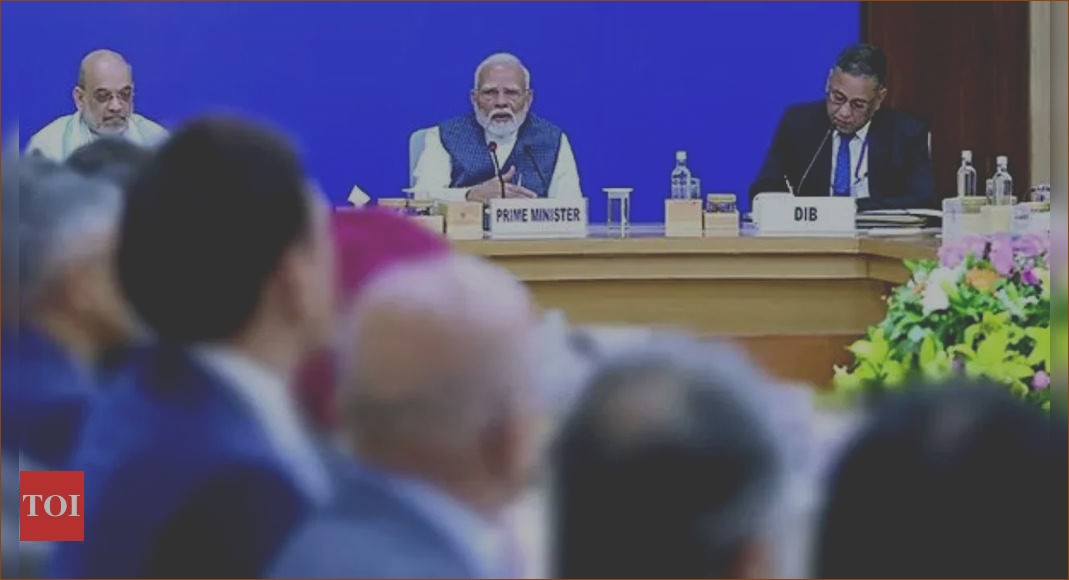
In New Delhi, Prime Minister Narendra Modi has encouraged police forces across India to adopt the ‘SMART’ policing approach, emphasizing the need for a strategic, meticulous, adaptable, reliable, and transparent method. This call to action came during a recent session of the 59th All-India Conference for Directors General of Police and Inspector Generals in Bhubaneswar.
Speaking on the growing dangers of digital fraud, cybercrimes, and artificial intelligence, Modi highlighted the troubling potential of deep fakes to undermine social and familial bonds. He urged law enforcement agencies to view the challenges posed by AI as opportunities, leveraging the nation’s strength in artificial intelligence to foster an aspirational India.
The Prime Minister expressed satisfaction with the extensive discussions at the conference, which covered various security challenges on both national and international fronts. He praised existing efforts in urban policing and recommended that successful initiatives be implemented in 100 cities across the country. Modi also stressed the importance of using technology to alleviate the burdens on police officers and to ensure police stations become central hubs for resource distribution.
Citing the effectiveness of hackathons in solving pressing issues, he proposed the idea of a National Police Hackathon to further innovate solutions. Modi discussed the importance of enhancing port security and called for a detailed action plan in this area.
Additionally, he paid tribute to Sardar Vallabhbhai Patel, India’s first home minister, as the nation prepares to celebrate his 150th birth anniversary next year. Modi urged security officials at all levels to honor Patel’s legacy by committing to actions that would enhance the quality and professionalism of police services, aligning with the vision for a ‘Viksit Bharat’ or Developed India.
Over the course of the three-day gathering, participants engaged in valuable discussions about various security concerns including counter-terrorism, left-wing extremism, cybercrime, economic security, immigration, coastal security, and drug trafficking. They also examined emerging threats along borders with Bangladesh and Myanmar, and reviewed the effectiveness of newly implemented criminal laws and policing practices.
