
Syria: Intense Fighting Erupts as Islamist Rebels Launch Major Offensive
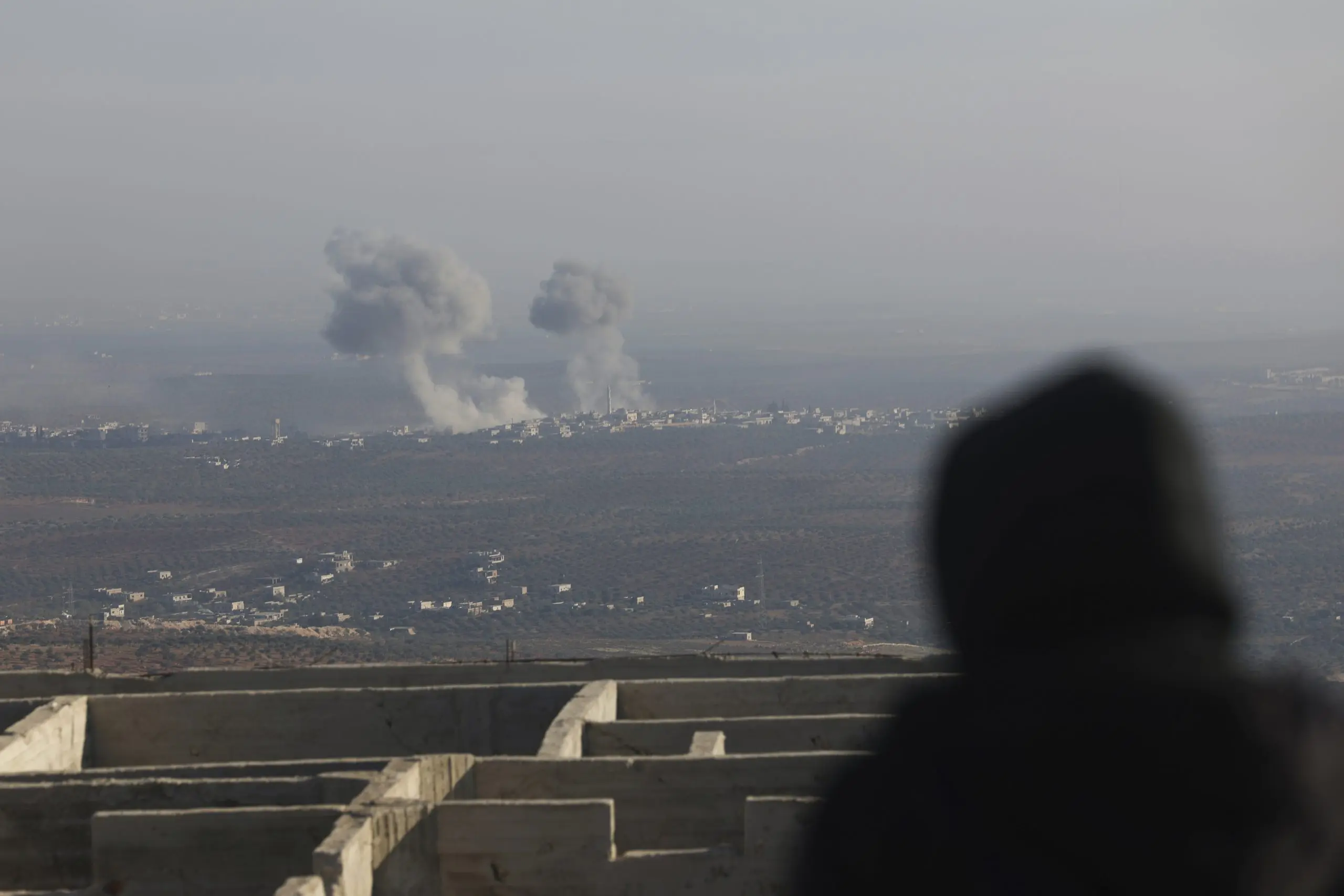
JERUSALEM – A radical Islamist group has initiated one of its most significant military assaults against Syrian government forces since 2020. This attack took place in northwest Syria, provoking a strong response from both Russian and Syrian air forces who quickly started bombarding the insurgents.
The offensive, primarily led by the U.S.-designated terrorist group Hayat Tahrir al-Sham, targeted numerous towns and villages in northwest Aleppo province, an area largely held by President Bashar al-Assad’s forces. This escalation coincided with a ceasefire agreement reached between Hezbollah, a militant group allied with Assad, and Israel, effectively ending over a year of conflict.
The ongoing fighting in Syria reflects a complex web of alliances and enmities. Assad’s regime, backed by Iran, faces off against an Islamist group that receives support from Turkey. Meanwhile, Russia, accused of committing war crimes in its invasion of Ukraine, is also deeply involved in the Syrian conflict.
Meanwhile, a UN-backed commission has raised alarms about the plight of children in Syria, reporting that nearly 30,000 kids are facing serious human rights abuses due to the ongoing war.
Rebekah Koffler, a former U.S. defense intelligence officer and expert on Vladimir Putin, commented on the situation, stating, "This is a classic example of Putin’s strategy playing out in Syria." She suggested that Russia’s recent military actions in Syria are a direct response to U.S. support for Ukraine, indicating a broader geopolitical struggle between the two nations.
Koffler added that with Russian air support, Assad’s forces would struggle to effectively combat Hayat Tahrir al-Sham. She further warned that as tensions rise, Assad may resort to even more severe tactics, possibly chemical weapons, against rebel-held areas.
Alex Grinberg, an Israeli expert, echoed Koffler’s sentiments, asserting that without Russian backing, Assad’s army would find it difficult to take on the insurgents. This reliance on air power illustrates a pattern that has become commonplace in the Syrian conflict.
In the midst of these developments, Iranian state media reported the death of Brigadier General Kioumars Pourhashemi, a senior military adviser from the Islamic Revolutionary Guards Corps, during the latest fighting in Aleppo. His death underscores Iran’s significant military presence in Syria, where they have sent thousands of fighters, including Shiite militias from across the region.
Reports suggest that the Islamist rebels launched their offensive after Syrian government forces escalated attacks on civilian areas in Idlib. They perceived a gathering threat from the Syrian military, which was bolstering its forces near the front lines.
Since the outbreak of conflict in 2011, over 500,000 people have lost their lives in Assad’s violent crackdown on opposition and calls for democracy. As violence continues, the humanitarian crisis in Syria deepens, with civilians bearing the brunt of the ongoing warfare.
