
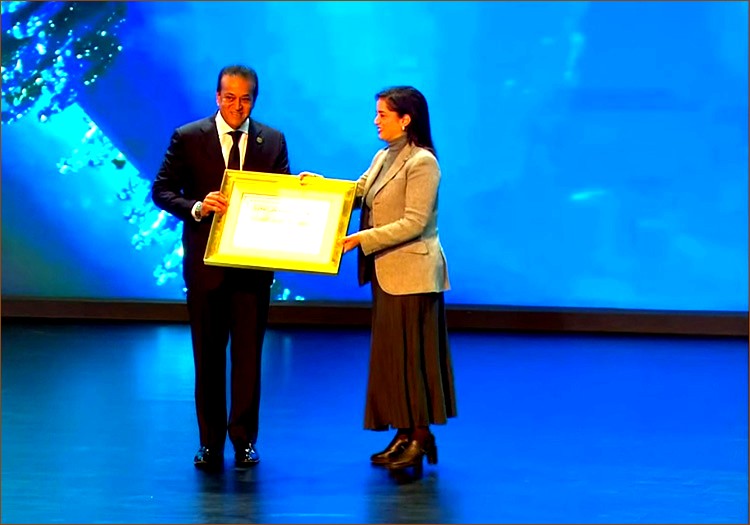
Egypt Achieves Malaria-Free Status: A Historic Milestone
20 October 2024 | Geneva / Cairo – The World Health Organization (WHO) has officially declared Egypt malaria-free, marking a significant achievement for a nation with over 100 million residents. This certification is the result of nearly a century of dedicated efforts by the Egyptian government and its people to eliminate this ancient disease.
Dr. Tedros Adhanom Ghebreyesus, WHO’s Director-General, remarked, “Malaria has been a part of Egypt’s history, but now it is part of the past. This certification is a major moment for Egypt and an inspiration for other countries struggling against malaria. It shows what can be achieved with the right resources and commitment.”
Egypt joins the ranks of the United Arab Emirates and Morocco as the third country in the Eastern Mediterranean Region to receive this recognition from WHO, making it the first country awarded since 2010. In total, 44 countries and one territory have achieved malaria-free status worldwide.
H.E. Dr. Khaled Abdel Ghaffar, Egypt’s Deputy Prime Minister, emphasized that this achievement is not an endpoint but the beginning of a new commitment. “We must remain vigilant and continue our efforts to keep malaria at bay through strong monitoring, diagnosis, treatment, and rapid response to any cases that may arise,” he stated.
To receive the malaria-free certification, a country must demonstrate that it has interrupted the transmission of the disease nationwide for at least three years and has the capability to prevent its return.
Tracing Egypt’s Malaria Journey
Malaria’s presence in Egypt dates back thousands of years, with evidence found in ancient mummies, including that of Tutankhamun. Efforts to combat malaria started in the 1920s when rice farming near homes was banned to reduce mosquito exposure. With a large part of the population living near the Nile and malaria affecting up to 40% of people, the country designated malaria as a notifiable disease in 1930 and established its first malaria control station focused on diagnosis and treatment.
Dr. Hanan Balkhy, WHO’s Regional Director for the Eastern Mediterranean, praised Egypt’s efforts, saying, “This success is not only a victory for public health but a beacon of hope for other nations facing similar challenges. Investment in a strong health system and community initiatives have played a crucial role in this progress.”
During World War II, malaria cases surged in Egypt, prompting the government to set up multiple treatment centers and recruit over 4,000 health workers. The completion of the Aswan Dam in 1969 posed new challenges by creating perfect breeding grounds for mosquitoes. Egypt launched rigorous health initiatives in collaboration with Sudan to control these outbreaks.
By 2001, malaria transmission was effectively controlled, and the Ministry of Health focused on preventing any resurgence. Quick action in 2014 helped contain a small outbreak in Aswan through vigilant identification and treatment of cases.
Today, malaria treatment is provided free to all residents of Egypt, regardless of their legal status, and health workers are trained to detect the disease across the country. Egypt’s collaborative work with neighboring nations, especially Sudan, has been vital in maintaining its malaria-free status.
In conclusion, Egypt’s journey to becoming malaria-free reflects years of dedication and cooperative efforts, and it serves as a powerful example for other countries striving for similar successes in public health.
