
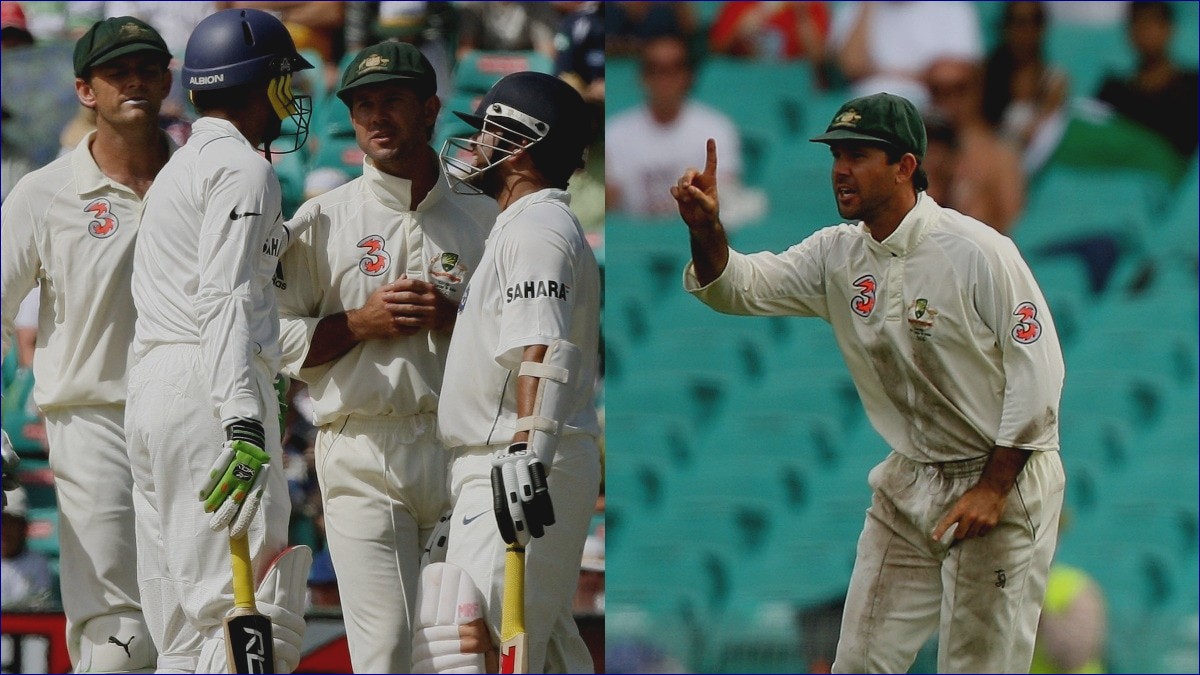
India and Australia have a long and exciting history when it comes to cricket, filled with many thrilling matches. Yet, none quite compare to the infamous Sydney Test of 2008. This match was overshadowed by numerous controversies, questionable umpiring, accusations of racial abuse, and actions that many felt went against the spirit of the game, particularly by the Australian side.
The drama unfolded on January 2, 2008, as Australia entered the match following a commanding 337-run victory in the first Test in Melbourne. After Australia’s captain Ricky Ponting won the toss and chose to bat, India quickly put pressure on the Australian batting order, with RP Singh dismissing the openers and leaving the team at a shaky 27 for 2.
Ricky Ponting came in at number three and had some luck early on when he was clearly caught by wicketkeeper MS Dhoni but was not given out by umpire Steve Bucknor. This decision allowed him to build a significant partnership of 92 runs with Michael Hussey before finally going out for 55 runs. However, India continued to press on and picked up three more quick wickets, leaving Australia struggling at 134 for 6.
### A Close Call for Andrew Symonds
As the drama continued, another contentious moment arose when Ishant Sharma appeared to have dismissed Andrew Symonds after a thick edge was caught by Dhoni. Yet again, umpire Bucknor did not raise his finger, allowing Symonds to stay on. At this point, Australia was at 193 for 6, and Symonds survived two more appeals for stumping that went uncalled by the umpires. The missed calls had a significant impact on the game, as Symonds went on to score an impressive 162 runs, helping Australia accumulate 463 runs.
In response, India posted a strong 532, thanks to centuries from Sachin Tendulkar, who scored 154, and VVS Laxman, with 109 runs.
### Harbhajan and Symonds’ Clash
The tension didn’t end there. During India’s innings, Harbhajan Singh and Symonds had a heated exchange. Symonds interpreted a Hindi phrase from Harbhajan as a racial slur, claiming he was called a “monkey,” which led to further investigations by the umpires.
As the match progressed, Australia, trailing by 69 runs, sought to make a comeback and ended their second innings at 401 for 7, setting India a target of 333 runs.
### More Controversies in the Fourth Innings
In Australia’s second innings, Michael Clarke faced scrutiny for not leaving despite edging the ball to slip, leading to further appeals from the Indian side for a wicket. The final innings of the match brought even more tension with dramatic calls against Indian players. Rahul Dravid was given out caught when replays indicated he hadn’t touched the ball, while Sourav Ganguly’s dismissal became a major talking point after the umpire relied on Ponting’s word about a catch that was later shown to be grounded.
Despite several contentious moments throughout the match, India fought until the end but ultimately lost by 122 runs. This victory marked Australia’s 16th consecutive Test win, earning them cheers from the home crowd. The Australian team celebrated their victory, seemingly oblivious to the contentious events that had unfolded.
### Aftermath and Reactions
Following the Test, there were heated exchanges between both teams. Indian captain Anil Kumble expressed that only one team seemed to be playing in the right spirit of the game. Ricky Ponting defended his teammates but grew frustrated when questioned about the catch taken by MS Dhoni.
The Board of Control for Cricket in India (BCCI) took their grievances to the ICC, leading to the removal of umpires Bucknor and Mark Benson from the rest of the series. In India, some fans went so far as to burn effigies of Ponting in protest of the team’s behavior during the match.
Despite the controversy, India bounced back by winning the next Test in Perth and securing the Commonwealth Bank ODI tri-series, showcasing their resilience on the field.
