
In a groundbreaking move, Jeff Bezos’s Blue Origin clinches a pivotal contract.
The company’s BE-4 engines are set to power the United Launch Alliance’s cutting-edge Vulcan Centaur, an ambitious rocket lineup aimed squarely at challenging Elon Musk’s SpaceX on financial grounds. The inaugural launch is poised for 2020.
This contract with ULA signals a significant endorsement for Bezos’s nascent space venture.
“We’re elated to have our BE-4 engine chosen by United Launch Alliance,” declared Blue Origin CEO Bob Smith in a statement, underscoring ULA’s status as the paramount launch service provider for national security missions and expressing their enthusiasm to join forces in this mission,” he proclaimed during the award announcement on Thursday.
ULA, a collaborative effort between established industry giants Boeing and Lockheed Martin, is vying against SpaceX to launch sensitive U.S. government satellites—a contest fraught with geopolitical implications.
Previously, ULA depended on the Russian-engineered RD-180 engines to propel its workhorse Atlas V rocket skyward, a reliance that has stirred political waters.
Bezos, known to fund Blue Origin through yearly sales of approximately $1 billion of his Amazon stock, faced stiff competition for the ULA contract from Aerojet Rocketdyne, a venerable name renowned for its propulsion technologies in NASA endeavors and ULA rockets alike.
“ULA has opted for the finest systems available to construct the Vulcan Centaur,” ULA CEO Tory Bruno stated decisively on Thursday.
Blue’s Monumental Triumph
Blue Origin’s acquisition of the contract isn’t entirely unexpected. The BE-4 has reached a more advanced stage in its development compared to Aerojet’s rival AR1 engine, with projections indicating greater cost-effectiveness.
Bruno had already shared his inclination for Blue’s BE-4, signaling a preference that bore out in the decision.
The announcement is nonetheless “quite significant,” asserted Bill Ostrove, a space analyst at Forecast International. “The ability of [Blue Origin] to outmaneuver a well-established company like Aerojet…it’s a tremendous win for a fledgling startup.”
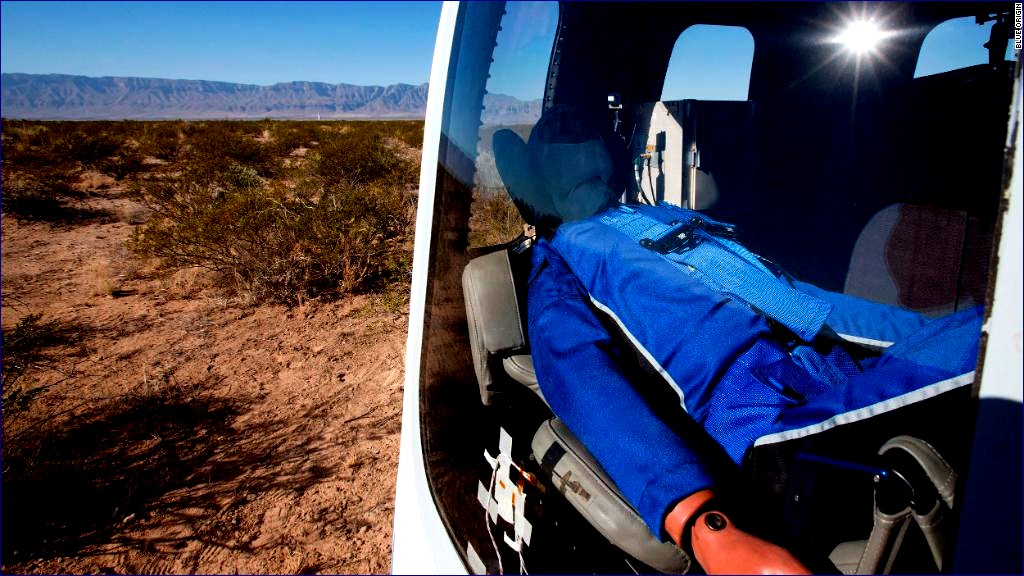
Founded by Bezos in 2000, Blue Origin has primarily engaged in test flights of its suborbital New Shepard rocket, which aims to offer tourists brief forays into the sky.
The BE-4, a colossal rocket engine engineered for much more potent launch vehicles, was initiated in development in 2011, undergoing its first test fire last year.
Victory in this contract means Blue Origin charts a course towards establishing a sprawling manufacturing facility in Huntsville, Alabama. Last July, the company announced plans for a 200,000-square-foot plant, promising to create up to 400 manufacturing jobs contingent on securing the ULA deal.
Adding to the intrigue, Blue Origin finds itself in the distinguished position of fabricating BE-4 engines for competing rockets, enhancing its foothold in the market.
With the Vulcan under ULA’s wing, the BE-4 will also fuel Blue Origin’s own ambitious heavy-lift rocket, the New Glenn, setting the stage for direct competition against formidable players like SpaceX and Northrop Grumman for lucrative military contracts.
Aerojet’s Stinging Loss
Blue Origin’s triumph constitutes a resounding “major defeat” for Aerojet, effectively sidelining them from the race for developing main engines for these heavy-lift launch vehicles, Ostrove observed.
In contrast, SpaceX manufactures engines in-house for its Falcon rockets, while Northrop Grumman is expected to follow suit for its emerging OmegA rocket.
Nonetheless, Aerojet maintains a robust portfolio in crafting smaller engines, persistently contributing to projects like the Vulcan’s upper stage engine, as well as developing engines for NASA’s ambitious Space Launch System.
Steve Warren, Aerojet’s vice president of communications, remained optimistic, asserting that Aerojet’s AR1 engine retains potential to power medium-lift launch vehicles. “This could easily become the workhorse engine for America,” he asserted confidently.
Yet, Ostrove appears less convinced. “It’s tough to envision a viable niche for it in the current market,” he remarked, noting minimal activity in the medium-class launch sector.
CNNMoney (New York) First published September 27, 2018: 7:03 PM ET
