
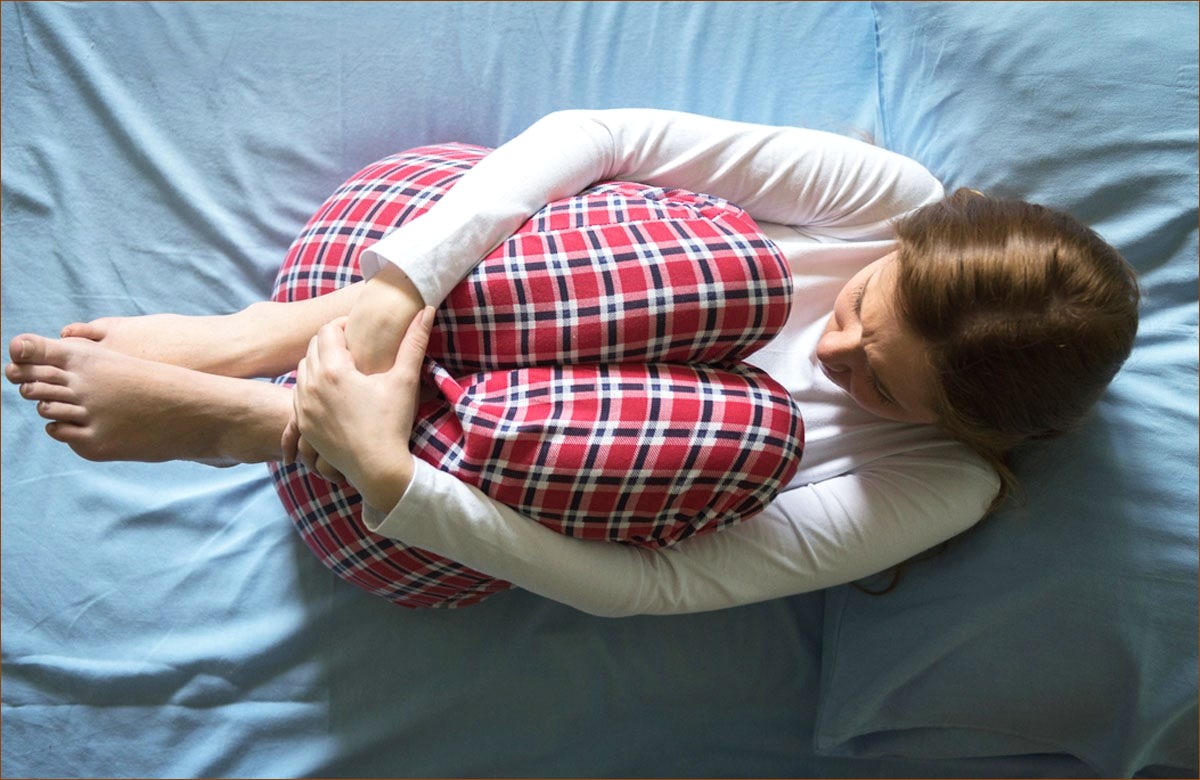
In the realm of sleep disturbances, there exists a particularly perplexing condition known as Restless Legs Syndrome (RLS)—a phenomenon that haunts countless slumber-seekers with an incessant urge to jolt their legs into motion. For many, the path to peaceful rest is riddled with challenges: restless minds racing with thoughts, the stimulating grip of caffeine, or the ever-tempting glow of electronic devices just before bed. Yet, for those ensnared by RLS, tranquility becomes an elusive dream.
RLS is a vexing neurological disorder characterized by an overwhelming need to move one’s legs, often accompanied by an unnerving sensation of tingling, aching, or a bizarre feeling as if the legs are being pulled. As Dr. Beth Oller, a family physician affiliated with Rooks County Health Center in Stockton, Kansas, describes, “This discomfort frequently manifests in the evening or during nighttime when individuals are lying down or sitting still—think of those long hours spent confined in an airplane or a car.” Such disruptions lead to relentless bouts of insomnia, plaguing lives with fatigue and frustration.
Surprisingly, a notable portion of the U.S. population—between 7% and 10%—grapples with this chaotic condition, with women being more frequently afflicted. As age creeps onward, the risk factor escalates, as confirmed by authorities such as the Cleveland Clinic. This condition can present itself in two distinct forms: early-onset RLS, diagnosed before the age of 45 and often hereditary, and the more accelerated late-onset variant, which typically emerges post-45.
The crux of RLS symptoms lies in uncomfortable leg sensations—a peculiar itch, a creeping crawl akin to tiny insects marching up a leg, or a punishing pain that crescendos during periods of inactivity. “These sensations are most prevalent in the calves and tend to intensify when one attempts to rest,” Dr. Oller elaborates. Though these symptoms often rear their heads in the evening embrace, they can materialize at any moment of prolonged sitting.
Currently, the precise origins of RLS remain shrouded in mystery; however, genetics seem to play a pivotal role. As Dr. Oller notes, “The condition can often be traced through family lines, suggesting that certain genetic variants are implicated in its development.” External factors, too, bear weight—excessive alcohol, caffeine consumption, and even certain medications may exacerbate the symptoms of this unsettling syndrome. Dr. Mike Sevilla from Salem Family Care provides insight into individual triggers, including stress, which compounds the distress experienced by many RLS sufferers.
Finding relief from the clutches of RLS is fraught with difficulty—while no preventative measures guarantee freedom from the condition, there are strategies aimed at alleviating its grip. Dr. Oller emphasizes the importance of addressing iron deficiency, identifying it as a potential contributor to exacerbated symptoms.
In the quest for symptom relief, lifestyle adjustments can yield significant results. Regular moderate exercise is beneficial, though experts caution against engaging in rigorous workouts in the hours that lead up to sleep. Dr. Sevilla advocates for evening stretches, warm baths, and maintaining a consistent sleep schedule of 6 to 8 hours nightly—a luxury many find impossible with RLS.
Cutting out caffeine and alcohol several hours prior to bedtime can also be a game-changer in mitigating the relentless onslaught of RLS symptoms. For those who continue to struggle despite these interventions, pharmacological treatments are available. Medications that boost dopamine levels, such as pramipexole and ropinirole, often emerge as the first line of defense.
In the end, for those battling RLS, silence and stillness can become a nightly war zone. Those experiencing persistent and disruptive symptoms are urged to consult their healthcare providers, ensuring that their journey into the depths of restful sleep does not remain a distant dream.
