

Kamala Harris’ groundbreaking nomination for the U.S. presidential election stands as a monumental chapter in political history—her candidacy embodies not just the trailblazing spirit of being the first Black woman on a major party’s ticket, but also heralds her identity as the inaugural Indian American to claim such a prestigious position. Harris’ mother, Shyamala Gopalan, embarked on a transformational journey from Chennai, India, to the United States, pursuing her PhD at UC Berkeley, thereby weaving diverse cultural threads into the fabric of her daughter’s identity. This rich mixed-race heritage affords Harris a unique ability to resonate with disparate identities, enabling her to bridge divides and engage diverse audiences across the political spectrum.
Following President Joe Biden’s pivotal decision to step aside for the 2024 race, formally endorsing Harris as the Democratic Party’s presumptive nominee, she has garnered the support of three out of five of the Indian American Representatives and a cadre of distinguished Indian American figures. In her characteristic boldness, Harris proclaimed her determination to “earn and win this nomination,” a declaration reflective of her unyielding confidence—a thread that has run through her storied career.
A Trailblazing Journey
Harris’ career unfolds like a tapestry adorned with firsts. Upon her inauguration as the Vice President of the United States in 2021, she carved her name in history as the first woman, the first Black individual, and the first Indian American to ascend to this role. Prior to this significant milestone, she shattered barriers as the first Black woman elected as the district attorney in California, claimed the title of the first Indian American senator, and became the initial female attorney general of California.

Born in the vibrant landscape of California in 1964, Harris’ upbringing in Oakland—near the pulse of San Francisco—was steeped in the diverse influences of her immigrant parents: her father, Donald Harris, a Stanford professor, and her mother, Shyamala Gopalan, a trailblazing biomedical scientist at the Lawrence Berkeley National Laboratory. Their active engagement in the civil rights movement often saw young Kamala marching alongside them in quest of justice and equality.

Embracing Her Indian Roots
The tapestry of Harris’ identity is intricately enriched by her Indian heritage, a cornerstone that has significantly shaped her worldview. Frequent sojourns to Chennai forged enduring connections with her relatives, through which she drew wisdom from her grandfather, P.V. Gopalan, a distinguished government official in India. These visits instilled within her a profound sense of duty and ethical integrity.

“My mother took immense pride in her Indian roots and instilled in my sister Maya and me the importance of cherishing our cultural heritage,” Harris reflects in her memoir, *The Truths We Hold: An American Journey*. This melding of cultural identities, together with her experiences as a Black woman navigating the complexities of America, has profoundly informed her approach to public service and governance.
Indian American Community’s Support
The Indian American community, currently estimated to exceed five million people, has rallied substantial support behind Harris. A chorus of admiration emerged from all five Indian American lawmakers in the House, with three explicitly endorsing her candidacy. Congresswoman Pramila Jayapal, the first to throw her weight behind Harris, took to social media to declare, “Kamala Harris for President. Let’s beat Donald Trump and make history.” The community’s engagement is notably significant, as Indian Americans form the largest Asian demographic in the United States, surpassing their Chinese counterparts.
My mother always used to say, “Don’t just sit around and complain about things. Do something.” I dearly wish she were here with us this week. pic.twitter.com/RHO2VnlZs4
— Kamala Harris (@KamalaHarris) August 13, 2020
Recently, while addressing a gathering teeming with Indian Americans, Harris highlighted the critical necessity for more South Asians to step into the political arena. She underscored the stark underrepresentation in U.S. politics relative to their population size. According to the 2020 Census, Indian Americans surged to 4.4 million, a striking 55% increase over ten years, yet only five representatives grace Congress. Notably, the Indian American electorate skews heavily Democratic, wielding considerable influence. Nonetheless, a subtle discontent brews within the community, as evidenced by a decline in Biden’s approval ratings to 43% and Harris’ fall from 62% to 56% over the past year, stoking concerns among constituents.
The event was marked by the walkout of Hindus for Human Rights, protesting the Biden administration’s stance on the ongoing Israeli-Palestinian conflict, embodying a broader disillusionment among youthful South Asian voters. Invoking the legacies of Mahatma Gandhi and Dr. B.R. Ambedkar, they articulated their opposition to perceived injustices, challenging longstanding allegiances to the Democratic Party. In response, Harris emphasized the imperative of active voter participation, calling upon the community to articulate their demands for change through the electoral process as the election approaches.
A Challenging Road Ahead
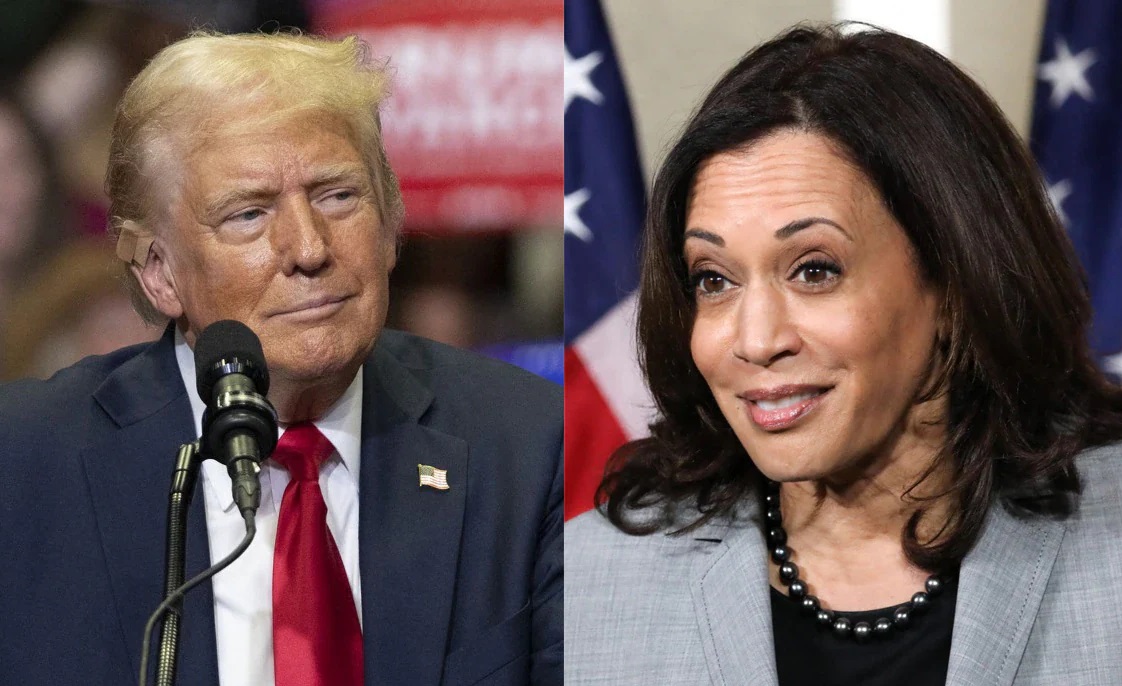
Despite her intimate connection with the Indian American community, Harris faces formidable challenges in a race against the formidable persona of Donald Trump. Some political factions express discontent with the Biden administration’s policies—a burden she may unwittingly bear as she attempts to navigate the turbulent political waters.
Harris’ narrative is a vibrant testament to the American dream, encapsulating the rich diversity and evolving narrative of the Indian American diaspora. Her nomination signifies not merely a personal achievement but a pivotal moment for the entire community, spotlighting the imperative of embracing one’s heritage while actively fostering progress and inclusion within the broader tapestry of American society.
As Kamala Harris embarks on her journey toward the presidency, her odyssey from the streets of Oakland to the hallways of power underscores the transformative potential of diversity and the enduring promise that America holds for its multifaceted citizenry.
