
Semiconductors, AI, Robotics, and Quantum Tech: Keys to India’s Future
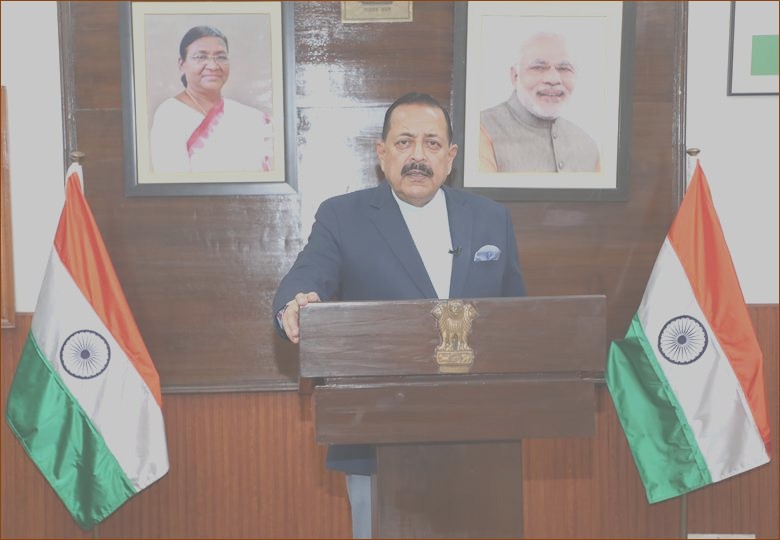
Mumbai, April 25, 2026: Indian Minister for Science and Technology, Dr. Jitendra Singh, has highlighted the importance of emerging technologies like semiconductors, artificial intelligence (AI), robotics, and quantum technologies for India’s national security and economic growth. In a virtual address to the PAN-IIT Alumni International Conference in Los Angeles, he emphasized the need for India to shift from being a technology consumer to becoming a global leader in innovation.
During the conference, which featured notable IIT alumni including industry leaders and entrepreneurs, Dr. Singh expressed that India is at a pivotal moment in its journey toward becoming a developed nation by 2047. He noted that advancements in science and technology would play a critical role in this transformation.
Dr. Singh recognized the vital contributions of the Indian diaspora, particularly IIT alumni, as essential links between India and international innovation networks. Their involvement in investments, mentorship, and collaborations is crucial for propelling India’s development.
He also praised the Indian Institutes of Technology (IITs) for fostering technology leadership, noting that many alumni are at the helm of global corporations and spearheading significant research efforts. Moving forward, he urged stakeholders to focus on identifying new growth areas in technology.
Emerging fields like semiconductors and AI, according to Dr. Singh, are essential for ensuring India’s competitiveness on a global scale. He stressed the importance of collaboration among academia, industry, and government, along with innovative approaches to education and institution-building to foster growth in these sectors.
Dr. Singh pointed to the establishment of the Sajjan Agarwal School of Technology at Rishihood University in Delhi NCR as a prime example of how the Indian community abroad is helping to build educational infrastructure in India. Such initiatives highlight a commitment from the diaspora to strengthen India’s technological capabilities through practical education and entrepreneurship.
Concluding his speech, Dr. Singh called for closer partnerships between the government, educational institutions, industry, and the global Indian community. He encouraged IIT alumni to actively participate in mentoring, funding research, and collaborating with Indian institutions. With continued effort and a long-term vision, he expressed optimism that India would not only reach its goal of becoming a developed nation by 2047 but also make meaningful contributions to global progress.
