
As artificial intelligence (AI) continues to evolve, it is significantly reshaping various industries, especially health technology. Recent findings from Rock Health reveal that funding for digital health companies in the United States reached an impressive $10.1 billion through 497 deals in 2024. Of this, 37% was funneled into AI-driven health startups, highlighting a strong interest from investors in AI-related advancements within healthcare.
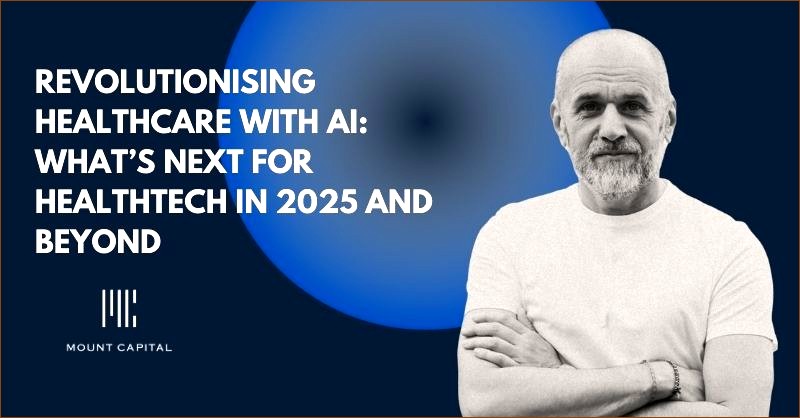
Anar Murtuzayev, the CEO of Mount Venture Capital Fund, a private investment firm with a focus on health technology, shared valuable insights about the impact of AI on healthcare. He discussed what investors might anticipate over the next year, as well as some promising new technologies currently under development that could revolutionize the industry.
When asked about the future of AI in healthcare, Murtuzayev emphasized that AI-driven precision medicine is poised to transform treatment approaches. This technology allows for customized treatments based on an individual’s genetics, lifestyle, and environment. This personalized approach promises faster and more effective care, especially for patients with challenging or resistant health conditions.
In the realm of mental health, Murtuzayev noted the emergence of AI tools capable of analyzing brain activity to assist doctors in finding appropriate treatments more swiftly. The use of AI-powered virtual therapists and chatbots is also increasing, providing timely support for individuals dealing with anxiety, depression, and burnout.
Regarding the growth of telehealth and remote patient monitoring, Murtuzayev highlighted that investors are considering data safety and regulatory compliance not merely as obstacles but as essential elements of competitive advantage. Startups that prioritize privacy and transparent data handling from the beginning are likely to gain the trust of both users and larger clients. Moreover, companies that can proactively adapt to regulatory changes and build strong security frameworks are expected to thrive, particularly in sectors that handle sensitive data regularly.
The rise of decentralized clinical trials and blockchain technology is also reshaping the landscape. Murtuzayev praised decentralized trials for their ability to include a more diverse range of patients without the need for travel, leading to more accurate results and accelerated drug development. Blockchain is helping to secure patient records, reduce fraud, and streamline consent processes, enhancing trust and efficiency in the industry.
As the healthcare system in the U.S. evolves, Murtuzayev expressed optimism that policy changes under the new administration might benefit health tech startups. Improvements like faster FDA approvals for AI-based diagnostics could facilitate quicker access to crucial healthcare solutions. Additionally, clearer health data regulations could eliminate compliance headaches for startups, allowing them more freedom to innovate.
When discussing what qualities Mount VC looks for in health tech founders, Murtuzayev stressed the importance of having a solid grasp of the healthcare system and the challenges of scaling a digital health business. Successful teams not only create groundbreaking solutions but also skillfully navigate regulations and integrate with existing healthcare systems.
For startups seeking funding, Murtuzayev advised them to clearly demonstrate their understanding of the market, provide a solid commercialization strategy, and show measurable results. Forming strong partnerships within the industry and ensuring seamless integration into current healthcare practices will also serve as vital advantages in this competitive field.
Anar Murtuzayev leads Mount Venture Capital Fund, which specializes in early-stage investments in health tech and fintech startups. His insights shed light on the exciting developments in health technology and the expectations for its future.
