
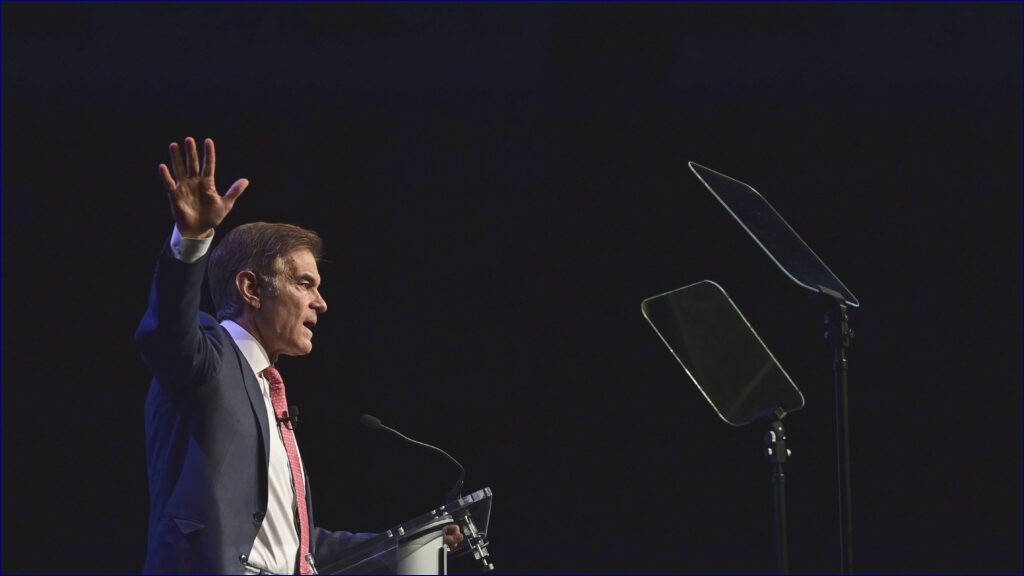
Mehmet Oz: From Surgeon to Political Nominee Amid Controversy
Mehmet Oz, known for his transition from a skilled heart surgeon to a popular TV host, finds himself navigating turbulent waters as he prepares to take the helm of the Centers for Medicare and Medicaid Services (CMS). During a recent episode of “The Dr. Oz Show,” he presented alarming images of rats with tumors, linking them to genetically modified organisms (GMOs). This dramatic reveal has raised eyebrows among many health experts who believe that such claims mislead the public and distract from scientific evidence.
Alison Van Eenennaam, an expert in animal genomics, expressed her concern while watching the show. She noted that the type of rats shown were known to develop tumors naturally as they aged, regardless of their diet. "It’s a classic case of misinformation," she stated, highlighting that the claims do not reflect the actual dietary impact of GMOs on these animals.
Despite criticisms from various health professionals, Oz’s show aired for more than a decade and attracted numerous viewers, contributing to the prominence of alternative health perspectives. He introduced figures such as vaccine skeptics and gained notoriety for promoting unverified health supplements and treatments. His association with Donald Trump began in 2016, when he lauded the former president’s health on air, forming a bond that would later lead to Trump’s nomination of Oz for the CMS position.
Many see Oz as an ambitious and energetic figure. Former colleagues describe him as a dedicated mentor with a sharp mind, who is now shifting his focus from medicine to politics. He previously ran for the Senate in Pennsylvania but did not succeed. Now, as he steps into the role at CMS, he faces a grand responsibility—overseeing programs that impact the health of millions of Americans, particularly the elderly and those with low incomes.
In his prior television career, Oz often faced legal challenges and government scrutiny for his health claims. His TV show, while popular, was also criticized for merging entertainment with questionable health advice. Nevertheless, a substantial number of loyal supporters praise his efforts in connecting people to valuable health information, showcasing what some dubbed "The Oz Effect"—the tendency for products featured on his show to experience a sales surge.
Behind the scenes, Oz has maintained a low profile since his nomination, leaving many to wonder how he intends to lead the agency tasked with regulating significant healthcare coverage. His past positions indicate a proclivity for embracing privatized Medicare solutions, a stance that aligns with the Republican Party’s broader strategies.
However, consumer advocates have expressed reservations about Oz’s suitability for the role. They argue his public endorsements of various products and pharmaceutical companies, combined with his well-documented financial ties, raise ethical questions about potential conflicts of interest. Recently, growing concerns about his financial investments in Medicare plans have surfaced, prompting some Democrats in the Senate to seek clarifications on whether he would divest if confirmed.
While the Senate confirmation of Oz appears likely, some medical ethics experts hope that his background as a skilled surgeon will guide him in navigating these challenges responsibly. Many believe he has a genuine interest in protecting public health, despite concerns about previous associations and beliefs.
Outside the political arena, Oz enjoys sharing personal moments on social media, often featuring his family, which presents a more relatable side to his public persona. His upbringing, influenced by a focus on hard work and perseverance instilled by his father, has shaped his ambitious nature.
From achieving groundbreaking research in the field of heart surgery to stepping into the political spotlight, Oz’s journey has been anything but traditional. As he prepares to lead a critical health care regulatory agency, many will be watching closely, assessing whether his medical insights and controversial past can come together for the benefit of American health care.
