
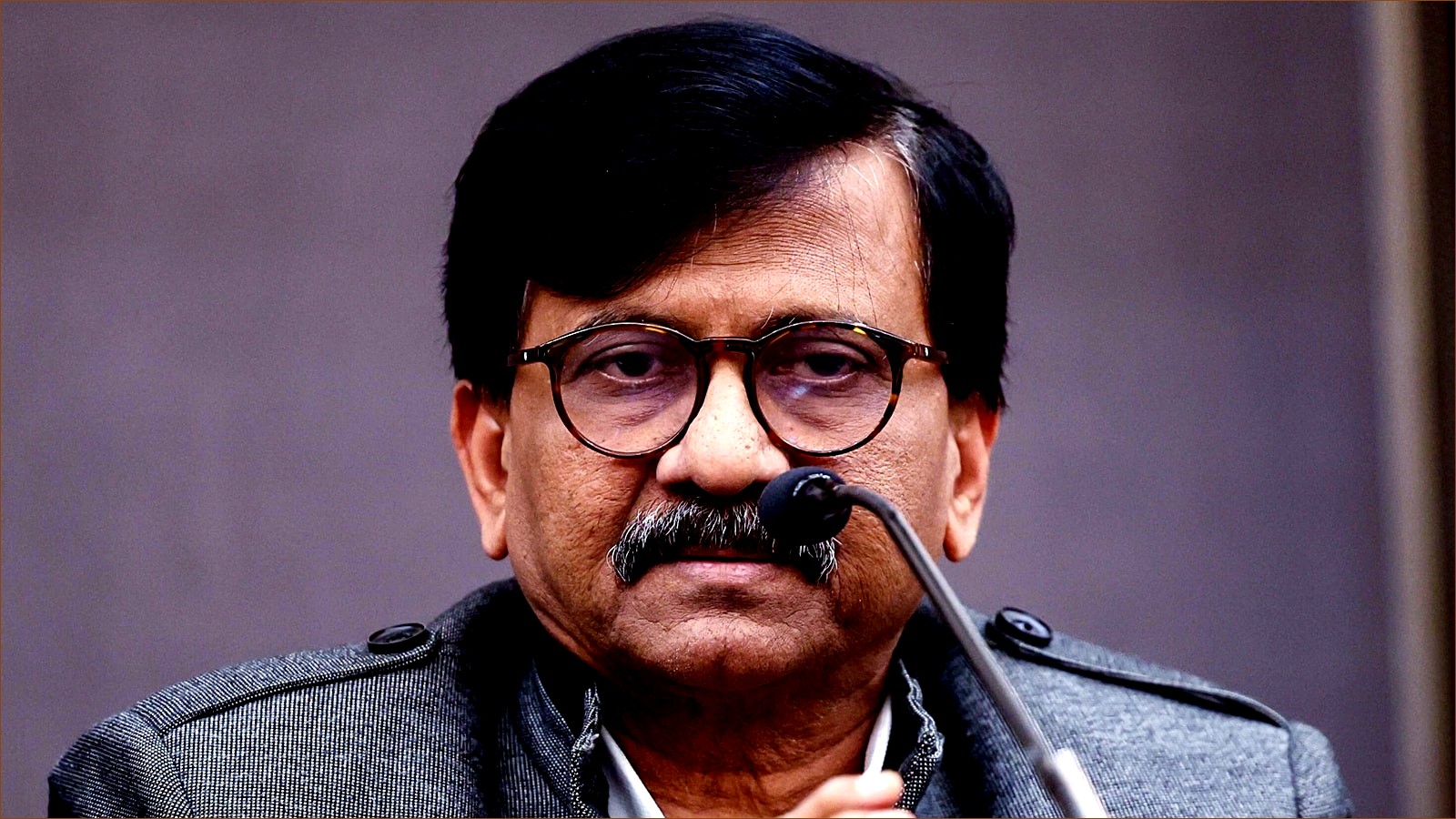
Sanjay Raut Clarifies Shiv Sena’s Stance on Political Alliances
On Sunday, Sanjay Raut, a Member of Parliament from Shiv Sena (Uddhav Balasaheb Thackeray), made it clear that he has never pushed for the dissolution of either the INDIA bloc or the Maha Vikas Aghadi (MVA) alliance in Maharashtra. His comments came shortly after Shiv Sena announced that they would participate independently in the upcoming local body elections.
Raut highlighted the importance of providing opportunities for party workers and emphasizing the growth of the organization. His party’s decision to contest the local elections alone is seen as a significant development within the Congress-led INDIA coalition, especially after some partners recently chose to support the Aam Aadmi Party (AAP) in the Delhi assembly elections, which has caused some friction.
The INDIA bloc comprises several parties, including the Uddhav Thackeray-led Shiv Sena, the Congress, and Sharad Pawar’s Nationalist Congress Party (NCP).
Raut stated, “Neither my party nor I have ever said that the INDIA bloc or the MVA should be dissolved.” He explained that the purposes of the Lok Sabha elections, state elections, and local body elections differ significantly. The MVA was formed for the assembly elections, while the INDIA bloc focuses on the Lok Sabha elections. In contrast, local body elections aim to empower local party workers and build the organization from the ground up.
He also encouraged Congress leaders to attentively hear his complete comments before passing judgment, advising them to practice active listening.
Moreover, Raut expressed that Shiv Sena wishes to leverage the local body elections to ensure that their new campaign symbol, a “flaming torch,” resonates with voters at the community level. The bow and arrow symbol, previously associated with the undivided Shiv Sena, was reassigned to Eknath Shinde’s faction following a division within the party and its alignment with the Bharatiya Janata Party (BJP).
In the recent November 2024 assembly elections, the ruling coalition of BJP, Shinde’s faction of Shiv Sena, and NCP secured 230 out of the 288 available seats, reducing the MVA’s representation to just 46 seats. Each party in the MVA—Sena (UBT), Congress, and NCP—contributed a modest number of seats to the final tally.
This commentary intensifies the discussion around the future of political alliances in Maharashtra, particularly as they prepare for critical upcoming elections.
