
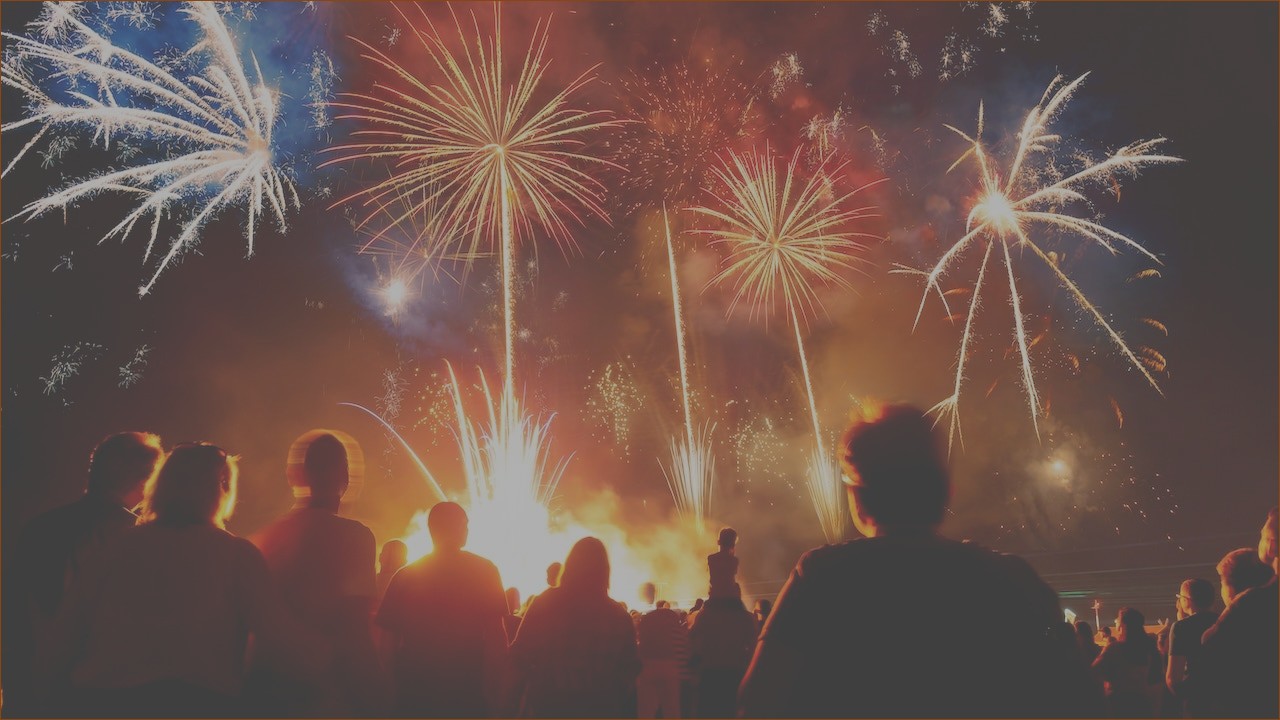
Fireworks and Health Risks: What to Know This Fourth of July
Fireworks have been a beloved part of celebrating the Fourth of July for many years. However, while they light up the night sky, they can also pose serious health risks, particularly for our lungs.
According to the American Lung Association, around 300 million pounds of fireworks are set off in the U.S. every year. This creates smoke filled with tiny particles and harmful gases like sulfur dioxide, carbon dioxide, and carbon monoxide, which can be detrimental to our health.
The smoke from fireworks can release dangerous metals such as aluminum and cadmium into the air. Some illegal fireworks may even contain lead, which is particularly harmful and can lead to long-lasting health issues.
“Inhaling these chemicals can irritate the lungs, cause breathing difficulties, and result in severe health problems,” the Lung Association cautioned in a public advisory.
A study from 2015 found that air pollution levels rise by an average of 42% on Independence Day. For people with asthma or chronic lung conditions, fireworks smoke can worsen symptoms and trigger flare-ups.
Fine particle pollution from fireworks has also been linked to more serious health issues, including heart attacks, strokes, lung cancer, and even premature death. Children, the elderly, pregnant women, and individuals with heart or lung diseases are especially at risk.
Dr. Afif El-Hasan, a member of the Lung Association’s board, emphasizes that if you’re at risk and want to enjoy fireworks, it’s better to view them from a distance. If you have asthma, keep your rescue inhaler handy in case you experience symptoms. Wearing a well-fitting N95 mask may help reduce your exposure to harmful smoke and debris.
“If you know the area and its wind patterns, try to stay upwind from the fireworks and avoid places where smoke can collect,” he advised.
Attending fireworks shows with friends or family can also be a good idea, as someone can assist if a medical emergency arises. Dr. El-Hasan recommends taking all necessary medications before heading out and parking close to the event in case you need to leave quickly.
After the fireworks show, drinking water can help clear your airways, and changing clothes when you get home can keep harmful particles from lingering in your living space. If you experience shortness of breath or chest pain, it’s crucial to seek medical help right away.
Enjoy the festivities, but stay safe and informed about the potential risks associated with fireworks.
