
Government Tightens Foreign Funding Rules for NGOs
On June 24, 2026, the Indian Home Ministry announced stricter regulations regarding foreign funding for Non-Governmental Organizations (NGOs) under the Foreign Contribution (Regulation) Act (FCRA). These changes will impose heftier penalties on NGOs that fail to comply with the regulations concerning foreign contributions.
Organizations that spend more than the allowed 20% of foreign contributions on administrative expenses will face fines of either ₹1 lakh or 5% of the extra amount spent, whichever is greater. This comes as part of a broad review of the registration procedures under FCRA, leading to more specific requirements for NGOs seeking foreign funding.
The new rules require organizations to clearly state the purposes for which they are applying for registration. Additionally, they must indicate the specific states or Union Territories where they intend to operate.
Under the revised guidelines for religious purposes, activities now include aspects like construction, renovation, and maintenance of religious sites, religious education, and promoting devotional music.
Since 2014, the Modi government has been tightening restrictions on non-profit organizations, claiming that many were misusing funds for “anti-national activities.” Major adjustments in 2020 included reducing the limit on administrative expenses from 50% to 20% and banning the transfer of foreign funds between NGOs.
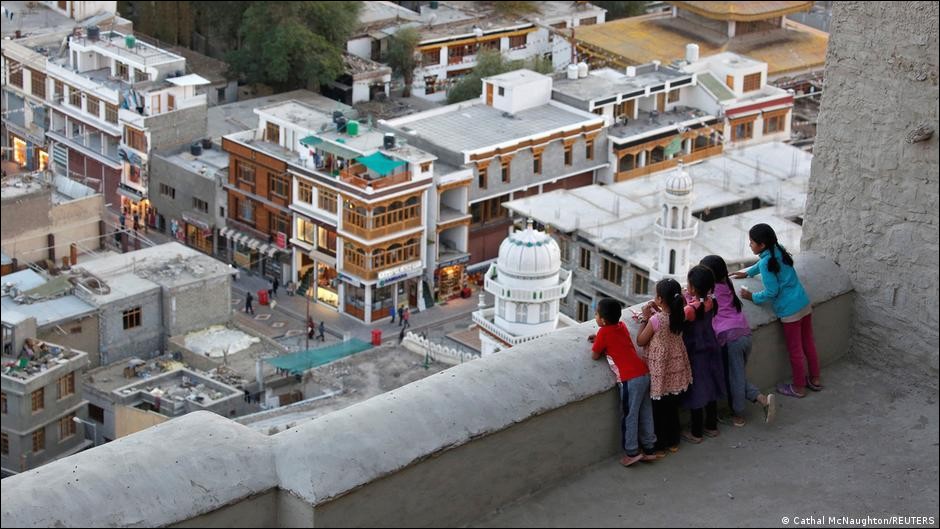
Ladakh Businesses Shut Down Amid Standoff with Delhi
Businesses across Ladakh, a Himalayan region of India, came to a standstill on Tuesday in response to a call from two leading political groups. The Leh Apex Body (LAB) and the Kargil Democratic Alliance (KDA) organized protests to voice their concerns with the Union Ministry of Home Affairs.
Private institutions and commercial establishments remained closed in various areas, with thousands participating in a rally that demanded meaningful dialogue with the central government. The groups accused the government of neglecting agreements related to local bureaucratic authority and constitutional protections for Ladakh.
They expressed disappointment over the omission of important understandings from recent talks held on May 22 in the official meeting notes, alleging that this has deepened the “trust deficit” between the government and the region.
The central government and these local factions have engaged in discussions since 2023. However, negotiations halted following violent protests last September, which led to the deaths of four individuals and injured more than 80 due to alleged police action.
Both LAB and KDA warned that if their key demands are not addressed, they may revert to seeking full statehood and the inclusion of Ladakh in the Sixth Schedule of the Indian Constitution. This inclusion would protect tribal lands and local jobs from outside influences.
In 2019, the Indian government abolished Article 370, which led to Ladakh’s separation from Jammu and Kashmir and its designation as a Union Territory. Although the change was initially welcomed, residents soon expressed concerns over lacking political representation.
