
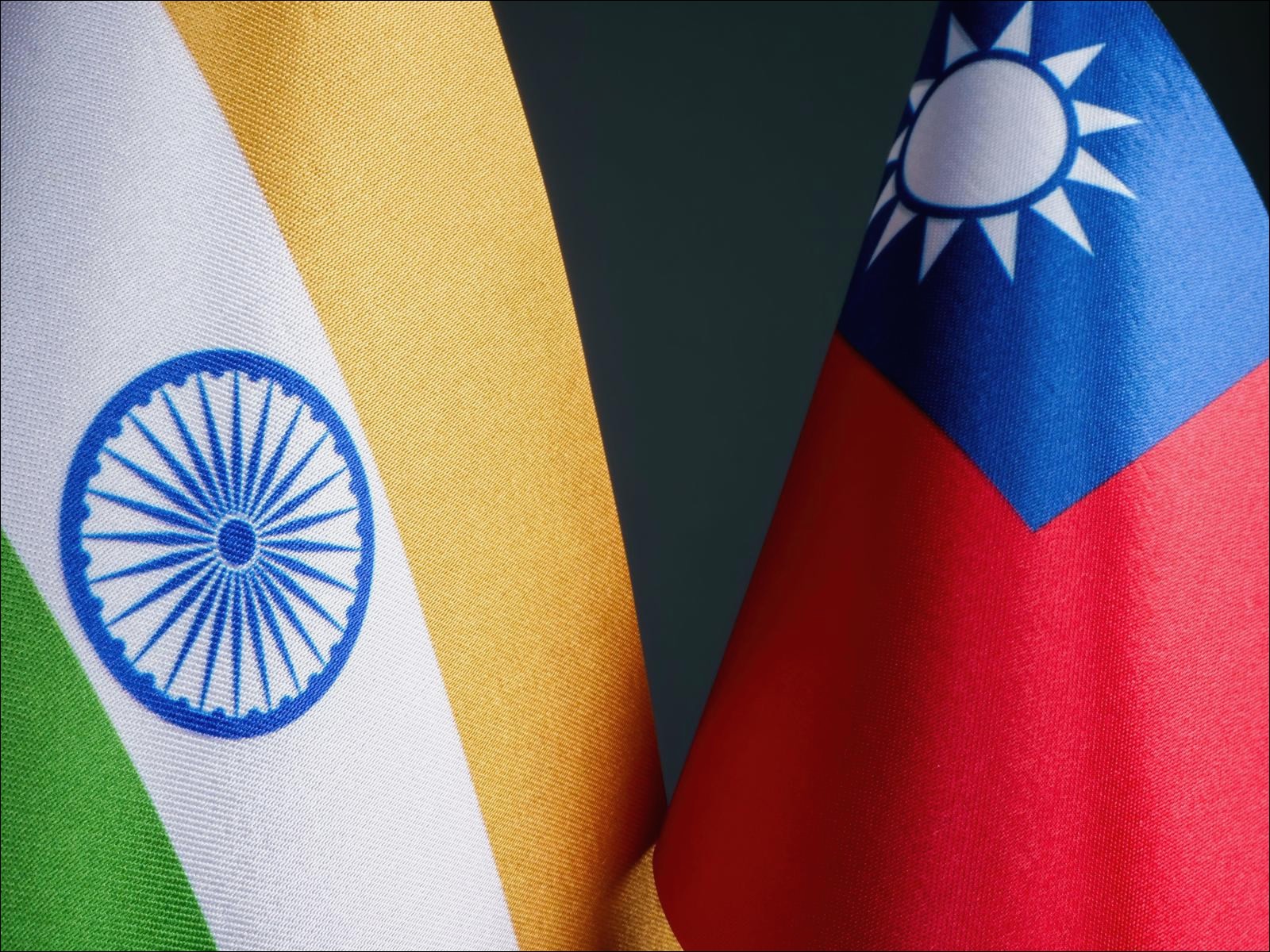
In today’s world, cyber threats are reshaping national security, and Taiwan and India have a golden opportunity to work together on cybersecurity to tackle challenges that are often linked to China.
Both Taiwan and India have seen a surge in cyberattacks in recent years. A recent report from Taiwan’s National Security Bureau revealed that the island faced an average of about 2.63 million cyberattacks each day in 2025, tallying up to nearly 960 million attacks throughout the year.
Taiwan’s government and private sectors are frequent targets of state-backed hackers and cybercriminals. Given Taiwan’s critical role in semiconductors and technology, malicious actors are keen on accessing sensitive information, including matters related to U.S. defense collaborations, trade secrets, and government communication.
Similarly, India has encountered a dramatic increase in cyber threats. An India Cyber Threat Report from Seqrite indicated that there were around 265.52 million threat detections across more than 8 million devices from October 2024 to September 2025.
Critical sectors in India—such as power, healthcare, aviation, finance, and government—are increasingly under attack, exposing vulnerabilities in its digital landscape.
A significant reason for Taiwan and India to enhance their cooperation is the shared cyber threats associated with China. According to Taiwan’s National Security Bureau, there was a notable correlation between Chinese cyberattacks and military activities by the People’s Liberation Army around Taiwan, with 40 combat readiness patrols in 2025 coinciding with a spike in cyberattacks.
India has faced similar issues, with Chinese-linked hacker groups targeting crucial infrastructure. A notorious example includes a cyber intrusion into India’s power sector, which some analysts connected to a massive blackout in Mumbai in 2020. In 2025, during Operation Sindoor, numerous cyberattacks were also linked to groups based in Pakistan.
As both nations have been developing their ties since the 1990s, the current geopolitical landscape and common security challenges create a ripe environment for a robust cybersecurity partnership.
Taiwan and India have already established considerable institutional capabilities for bolstering cyber resilience. Taiwan has developed a multi-layered cybersecurity framework that includes various agencies and task forces, while India has set up the Indian Computer Emergency Response Team alongside its critical information infrastructure protection center.
These institutions provide a strong base for future collaborations that could benefit both nations. For instance, working together would deepen their understanding of each other’s cybersecurity practices. Taiwan’s substantial experience in countering sophisticated cyber threats from China could offer valuable lessons for India.
Furthermore, their collaboration could integrate India’s software talents with Taiwan’s leadership in semiconductor technology, fostering innovation and tech partnerships. They could also explore wider collaborations with other allies, such as the United States and Japan, having previously engaged in joint workshops and training to share best practices.
To achieve meaningful results, these exercises should become a regular occurrence. Additionally, extending cybersecurity talks within frameworks like the Quadrilateral Security Dialogue could bring Taiwan into more relevant initiatives.
There’s also potential for both countries to enhance cooperation in protecting critical infrastructure, sharing cybersecurity intelligence, and reinforcing incident response mechanisms. Taiwan could play a vital role in helping India safeguard its military and infrastructure against cyber threats, particularly from China.
To formalize their cybersecurity collaboration, Taiwan and India should set up a framework for identifying, coordinating, sharing, and implementing best practices in the field. They can work together on research and development, establish cybersecurity standards, and even develop new products.
Joint efforts in tackling cybercrime, improving digital forensics, and creating harmonized legal frameworks would also strengthen their bilateral ties. Regular consultations to enhance cooperation against transnational cybercrime could further enhance their coordination and build long-term trust.
Despite some existing limitations in their relationship, the changing security landscape makes a strong case for closer cooperation.
Now is the time for India to overcome previous hesitations and engage with Taiwan in a more constructive manner. Cybersecurity cooperation could unlock a new chapter in Taiwan-India relations, creating a partnership that is both practical and strategically significant.
