
Consumers Crave More Protein, but the Dairy Industry Faces Challenges
Consumers around the globe are looking for more protein in their diets, but the dairy industry is having a hard time keeping up with this demand.
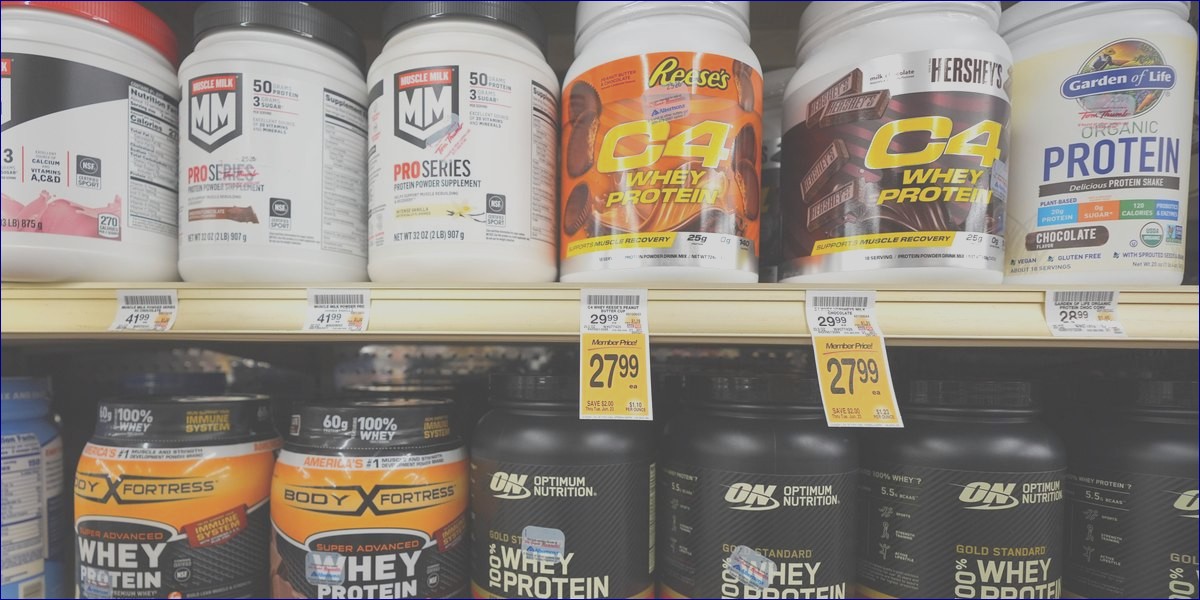
For years, athletes and older individuals have turned to smoothies and shakes enriched with whey protein concentrate—a byproduct from the cheese-making process—to help build and maintain muscle. Recently, food companies have started adding this protein to a variety of products, from breakfast cereals to snacks like potato chips and even popular drinks at coffee shops.
As per NielsenIQ, a market research firm, U.S. supermarkets now showcase around 38,708 items that highlight their protein content. However, this trend is leading to shortages of food-grade whey protein and driving up its prices.
According to Kathleen Wolfley, vice president at Ever.Ag Insights, a firm that provides data to the agriculture sector, “The demand is very strong and seems to be outpacing supply right now.”
Wholesale prices for whey protein have been on the rise since early 2024, gaining momentum last year and continuing this year. For instance, whey protein concentrate, typically 80% protein, is now trading for over $13 per pound—an increase of 250% compared to last year. More refined whey protein isolate, which contains at least 90% protein, has also seen significant hikes in pricing.
This surge in costs is turning into higher prices for consumers. In the U.S., whey protein concentrate prices have jumped around 15% over the past year, while whey protein isolate has experienced steeper increases.
Europe is seeing a similar trend. As of late May, the average price for 80% whey protein concentrate reached a record €26,450 (about $30,518) per metric ton—more than double the price from the previous year.
What’s Behind the Protein Shortage?
Milk consists of two main proteins: casein and whey. During cheese-making, the solid curds (casein) are separated from the liquid whey, which is then dried into powder. Interestingly, each pound of cheese produces nine pounds of whey, according to the U.S. Department of Agriculture.
In the U.S., milk consumption has been declining for years as people have shifted to drinks like soda. Nevertheless, the love for cheese remains strong, leading to a significant amount of whey being generated. In the past, the excess whey was often exported to countries like China. However, a growing domestic demand for high-protein foods is keeping more of this whey in the U.S. market. Exports of whey protein to China fell by 47% during the first four months of the year compared to the same period last year.
Jasper Endlich, a dairy analyst at Vesper, a company tracking commodity prices, mentioned, “There simply isn’t enough product for U.S. customers, leading to limits on exports.”
China is now looking to Europe for more whey protein, which is also facing shortages due to decreased U.S. exports.
The Link Between Whey Protein and Weight Management
The popularity of GLP-1 weight-loss medications, like Wegovy and Zepbound, has fueled the demand for whey protein concentrate. These medications are designed to help people manage their appetite, prompting the need for high-protein foods to help users feel full longer and maintain muscle mass while losing weight.
According to Morgan Stanley, approximately 6% of obese and diabetic patients in the U.S. and 2% globally were using GLP-1 drugs last year. Some estimates suggest that up to 12% of U.S. adults may be using these medications.
Food companies are responding by creating products that are higher in protein to attract these consumers who are looking to lose weight.
Rising Prices for Protein Products
The combination of tight supplies and higher production costs has led some manufacturers to hike prices on protein powders and enriched products. Now Foods, a health food company, noted that whey protein powder has been a top seller in its sports nutrition lineup. After facing higher raw material costs for two years, the company raised prices on its whey products earlier this year.
Brian Morin, a brand manager at Now, stated that they do not anticipate further price hikes this year but are exploring ways to manage costs, such as offering products made with more affordable milk protein concentrate.
Future of Whey Protein Supply
Wolfley mentioned that companies are investing in whey protein production, which should help increase supplies in the future, though not immediately. For instance, Irish nutrition firm Glanbia plans to boost its whey protein isolate production in New Mexico, but this increase won’t be ready until 2027. Similarly, Canadian company Agropur intends to expand its production by 2029.
In the meantime, higher prices may lead some consumers to cut back on whey protein powder purchases, especially as food costs in general are rising. If retail demand decreases, it could ease some of the pressures at the wholesale level.
“The dynamics of supply and demand might get better, but I can’t say whether that will happen soon or take about a year,” Wolfley added. “It all requires time to evolve.”
