
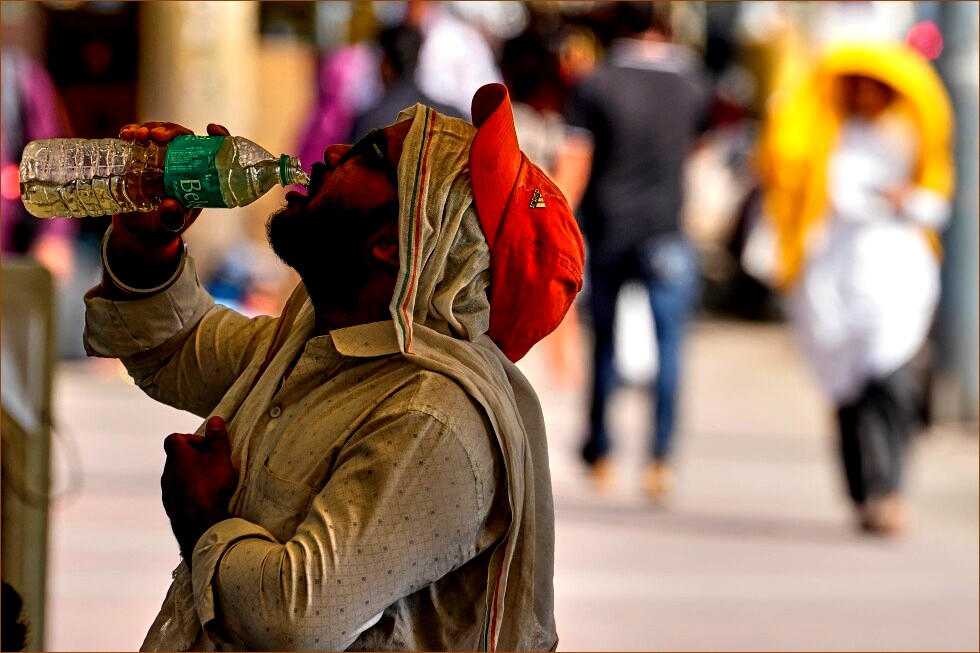
Extreme Heat Wave Hits India, Disrupting Daily Life
NEW DELHI — A severe heat wave is affecting many parts of India, leading to empty roads and markets during the afternoons. Some farmers have shifted their work to the night to escape the intense sun. The India Meteorological Department has predicted temperatures in New Delhi to reach around 45 degrees Celsius (113 degrees Fahrenheit). In response, the city has opened temporary “cooling zones” to help residents cope.
The weather agency warns that this heat is expected to continue in several northern states, with temperatures remaining above normal. Authorities are advising people to stay indoors during the hottest parts of the day and to take care against heat-related health issues.
Daily Life Disrupted
The extreme temperatures have forced some states, like Uttar Pradesh, to change daily routines. Many shops and markets are closing in the afternoon, while some traders are moving their hours to earlier in the day. Farmers are working at night to avoid the heat.
Schools are also feeling the impact, with many announcing early summer vacations due to soaring temperatures, which reached a startling 48.2 degrees Celsius (118.8 degrees Fahrenheit) in Banda on Tuesday. Health officials are urging the public to stay hydrated and to avoid the outdoors when it’s hottest.
Cooling Shelters Providing Relief
In New Delhi, both locals and visitors are seeking refuge from the heat in cooling shelters set up around the city. These shelters provide air coolers, fans, and drinking water, helping people manage the extreme conditions.
One visitor, Basharat Ahmad Malla, a 25-year-old tourist, noted, “We came here for a day out, but it’s way too hot. The cooling setup is really helpful.”
Heat and Climate Change
Experts say that India’s rising temperatures are linked to global climate change. Recently, the country has experienced more frequent and severe heat waves, with the hottest years recorded in the past decade.
Anjal Prakash, a professor of public policy and author of several climate reports, explained that while India is used to high summer temperatures, climate change is making extreme heat events more common. Research shows that heat-related deaths range significantly, and many may go unreported due to their indirect nature.
As the heat continues to affect daily life, officials remain focused on keeping the public safe and informed.
