
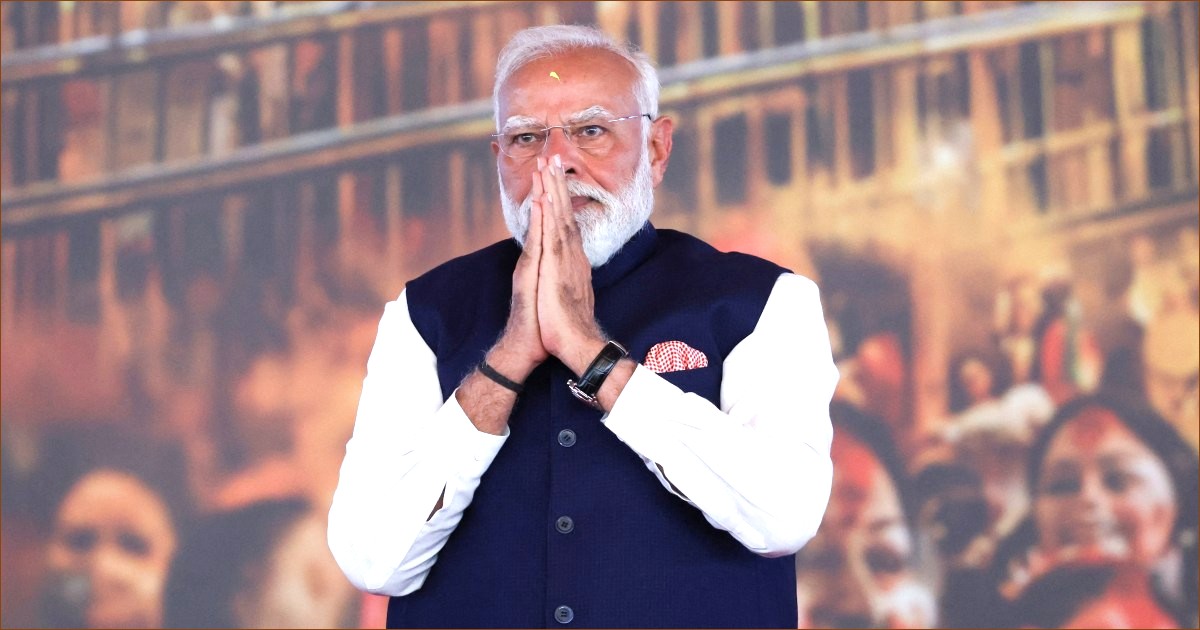
Modi’s Avoidance of Media Questions Draws Criticism During Norway Visit
An encounter between Indian Prime Minister Narendra Modi and a Norwegian journalist has highlighted his government’s hesitance to face tough questions from the media. Helle Lyng Svendsen from Norway’s Dagsavisen newspaper asked Modi why he shied away from taking questions from reporters. Instead of answering, he left the room without a word. Later, when she pressed an official from India’s Ministry of External Affairs about the country’s human rights record, he became visibly upset and deflected her inquiries by discussing unrelated historical topics.
Modi was visiting Norway for two days as part of a tour in northern Europe. During his travels, he met with Norwegian Prime Minister Jonas Gahr Støre and participated in the India-Nordic Summit. Interestingly, throughout his 12 years in office, Modi has not held a single news conference in India and has rarely taken questions during international trips.
Following his departure from the press meet, Svendsen took to social media, criticizing Modi for not engaging with the media. She pointed out that it is common for visiting leaders in Norway to answer questions and expressed concern for journalists in India facing similar challenges.
At a separate press conference, Svendsen continued her inquiries, asking India’s Secretary for External Affairs about accusations of human rights violations in the country. Instead of addressing the issue directly, he spoke about India’s history, including its contributions to the world, like the invention of chess and the concept of zero. Svendsen interrupted him, seeking a clearer answer, which only irritated the official further.
This incident has reignited discussions on press freedom in India, which has seen a decline in global rankings. Critics point to Modi’s avoidance of direct inquiries and his administration’s stance on media relations, claiming it undermines democracy.
Meanwhile, reactions to the incident are varied. India’s opposition leader Rahul Gandhi commented on Modi’s reluctance to address questions, suggesting it raises concerns about the country’s reputation. Many journalists and media advocates are worried that leaders of democratic nations shy away from open dialogues with the press, as it diminishes public trust.
The exchange between Svendsen and Indian officials has sparked widespread discussion on social media, with some praising her questioning while others criticized her approach. Prominent voices in the Indian media noted the importance of tough questions in a democracy, urging leaders to engage constructively rather than evade scrutiny.
Amid this landscape, the situation for journalists in India remains precarious, as they face harassment and legal challenges when reporting on sensitive topics. The current administration’s efforts to control narratives continue to stir concerns over media freedom, as activists and organizations call for greater accountability from those in power.
With India now ranked 157th out of 180 in the World Press Freedom Index, it’s clear that ongoing debates about freedom of expression and the treatment of the press are far from over.
