
World Health Organization Declares Ebola Outbreak a Global Health Emergency
ABUJA, Nigeria — The World Health Organization (WHO) has officially labeled the recent Ebola outbreak in Congo and Uganda as a public health emergency of international concern. This decision follows reports of over 300 suspected cases and 88 fatalities.
According to the WHO, this outbreak does not classify as a pandemic like COVID-19, and they have not recommended the closing of international borders. However, a confirmed case has emerged in Kinshasa, the capital of Congo, indicating the potential for broader spread. The individual had traveled from the eastern Ituri province, where the outbreak originated, and additional cases have been identified in the neighboring North Kivu province.
On Sunday, authorities in Goma, Congo’s largest city, announced that they had detected the first confirmed case of Ebola there. The infected person had also traveled from Ituri and is currently in isolation. Goma has been the site of recent conflict, leading to significant population displacement.
Understanding the Risk of Ebola
Ebola is known to be highly contagious, spreading through bodily fluids such as blood, vomit, or semen. While the disease is rare, it is severe and often fatal. The WHO’s emergency declaration aims to encourage countries and organizations to take swift action. It highlights the seriousness of the situation, the risk of international spread, and the need for a global response.
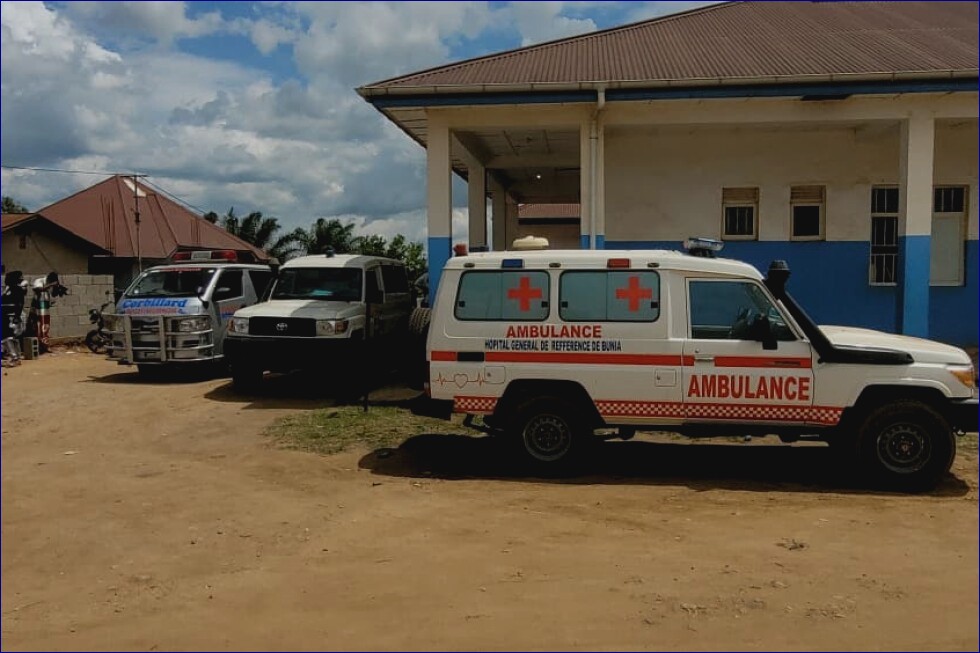
In a related statement, the WHO Regional Office for Africa shared that a team of 35 experts, along with emergency medical supplies, has arrived in Bunia, Ituri’s capital, to assist with the outbreak.
Past responses to similar health emergencies have varied. For instance, in 2024, when the WHO declared mpox outbreaks as a global emergency, there were concerns about the timely delivery of necessary medical supplies.
The Bundibugyo Virus: A Challenging Variant
This outbreak is traced to the Bundibugyo virus, a rare and dangerous strain of Ebola, which currently lacks approved treatments or vaccines. Historically, Congo and Uganda have experienced numerous Ebola outbreaks, but Bundibugyo has been confirmed only twice before.
Health officials are aware of the high risks associated with this outbreak but express confidence in managing it. Dr. Richard Kitenge, from the Congo’s National Institute of Public Health, noted that previous outbreaks have been handled without specific treatments.
Challenges in Containing the Outbreak
Dr. Jean Kaseya, Director-General of Africa Centres for Disease Control and Prevention, pointed out that there remain many active cases, particularly in Mongwalu, complicating containment and tracing efforts. Ongoing violence from militant groups and constant population movement due to mining further hinder response efforts.
Reports from the Africa CDC indicate more than 330 suspected cases and nearly 90 deaths in Congo as of Saturday. There are concerns that the true scale of the outbreak remains unknown, and the spread to Uganda carries significant risks.
Low Risk to Americans
Health officials in the U.S. deem the risk of exposure for Americans as low but are vigilant, coordinating with international bodies to manage the outbreak effectively. The CDC has personnel on the ground in Congo and is enhancing its response with additional workers.
Travel advisories have been issued, urging U.S. citizens in Congo and Uganda to avoid contact with anyone displaying symptoms related to Ebola. Precautions are being put in place at entry points.
Slow Detection Delays Response
According to Dr. Kaseya, delayed recognition of the outbreak has allowed the virus to gain a foothold. It started in April, but the first case was only reported on social media in early May, by which point numerous deaths had already occurred.
Authorities reported that four healthcare workers have succumbed to the disease, illustrating the dangerous environment for those on the frontlines of this crisis.
