
India’s Informal Sector Shows Improvement but Faces Challenges
Recent findings from the Ministry of Statistics and Programme Implementation (MoSPI) reveal positive trends in India’s informal sector. According to the Annual Survey of Unincorporated Sector Enterprises (ASUSE) for 2025, the burden of debt on informal businesses is decreasing. The interest they pay and the amount they owe have both seen significant drops, highlighting a shift in their financial health.
Data from the MoSPI report, released this week, indicates that the average annual interest paid by informal businesses dropped by 16% compared to the previous year’s survey conducted from October 2023 to September 2024. Additionally, outstanding loans per establishment decreased by 20%, bringing the average down to approximately ₹42,776. This suggests that repayments are outpacing new loans taken.
However, this decrease in outstanding loans comes amid a decline in investments. The net addition to fixed assets for each informal establishment fell by 14% in the latest survey compared to the previous year.
In the earlier survey for 2023-24, both interest and outstanding loans per establishment had increased by 7%. Additionally, the net addition to fixed assets saw a slight increase of just over 3% from 2022-23.
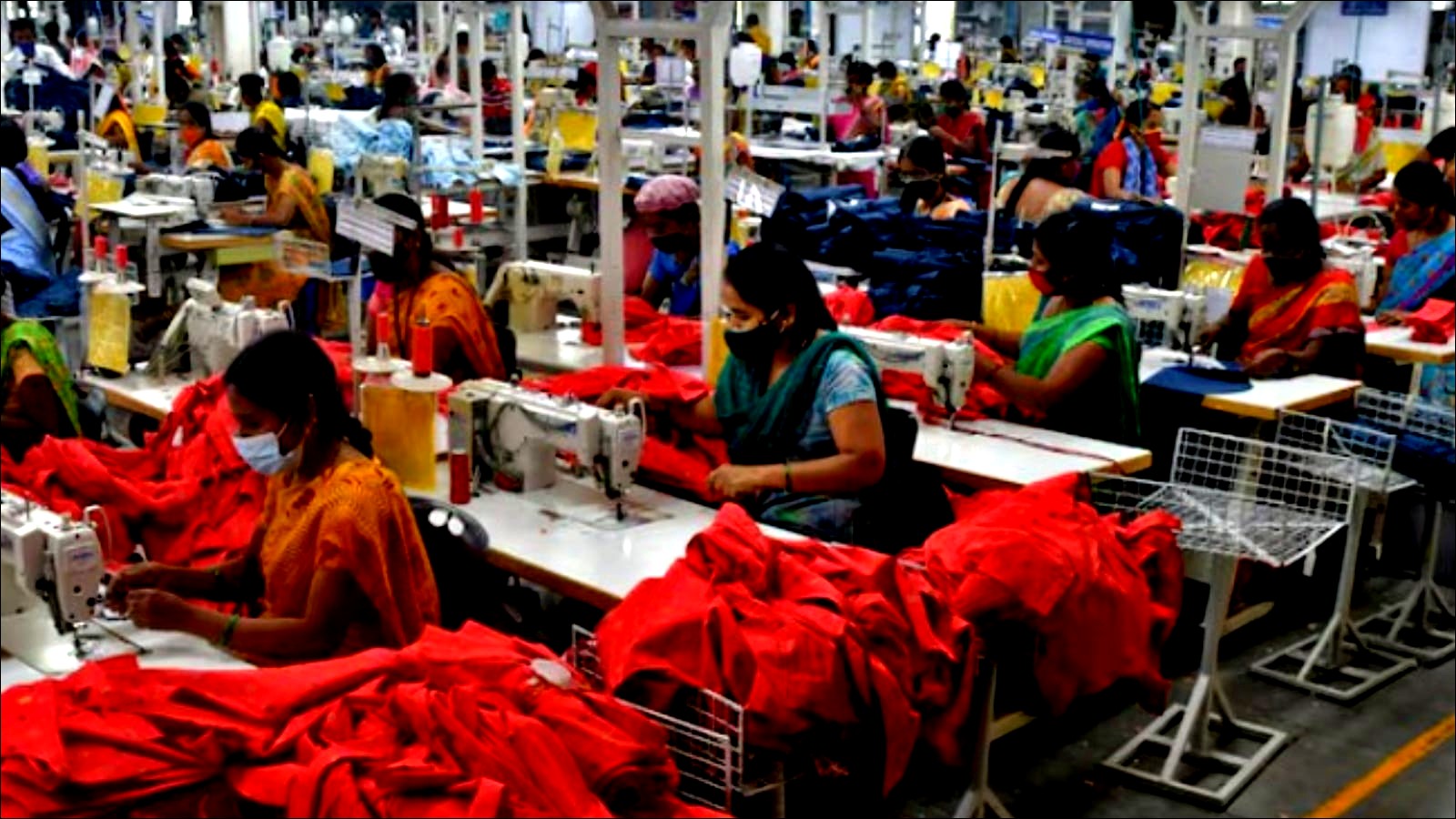
The unincorporated, non-agricultural sector, which includes small manufacturers, service providers, and trade units, plays a vital role in India’s economy. According to the 2025 ASUSE survey, this sector is estimated to add about ₹20 lakh crore to the nation’s gross value added (GVA), accounting for roughly 6.4% of India’s entire GVA for 2025-26.
Signs of Weakness
Despite some positive developments, the 2025 survey also highlights some weaknesses in the informal sector. The average pay in this sector rose by just 3.9%, a sharp decline from the 13% increase seen in 2023-24. The growth in the number of establishments also slowed, with an increase of only 58.5 lakh compared to 83.5 lakh in the previous year, leading to the creation of fewer jobs—74.5 lakh in 2025 versus 1.1 crore in the year ending September 2024.
Most unincorporated enterprises, about 99.94%, are micro, small, and medium enterprises, with a total of approximately 7.92 crore estimated in 2025. The survey covered around 6.7 lakh establishments, with 2.94 lakh located in rural areas and 3.76 lakh in urban zones. Interestingly, despite a rise in bank credit for micro and small businesses, the loans owed by informal enterprises have sharply declined.
Data from the Reserve Bank of India indicates that loans to micro and small industries surged by 33% year-on-year as of March 31, suggesting that banks are primarily lending to larger small enterprises.
According to the ASUSE 2025 findings, about 81% of outstanding loans in the informal sector are owed to institutions like banks and government schemes.
Investment Concerns
The dip in fixed asset investments has raised alarm among policymakers. Chief Economic Advisor V Anantha Nageswaran recently voiced concerns about the reluctance of the Indian private sector to invest. He noted that while profits for the country’s top 500 companies have increased by 31% each year since the pandemic, their rate of capital formation has been disappointing.
The ASUSE report reflects significant variations in investment trends among different states. For instance, businesses in Punjab nearly doubled their investments, with their outstanding loans increasing almost four-fold. Conversely, states like Telangana, Gujarat, and Maharashtra saw a decline in per establishment investment by 63%, 48%, and 35%, respectively, while also reporting significant reductions in outstanding loans.
In Uttar Pradesh, informal establishments invested 30% less than the previous year, with outstanding loans only 3% lower. In contrast, Bihar experienced a doubling of outstanding loans to ₹8,568, but investment levels fell by 3%. Meanwhile, in Goa and Chhattisgarh, there was a notable decrease in debt along with a rise in investments.
Overall, while some aspects of India’s informal sector are improving, challenges remain that could affect its future growth and stability.
