
Title: U.S. Pushes for Accountability from Iran Over Strait of Hormuz Tensions
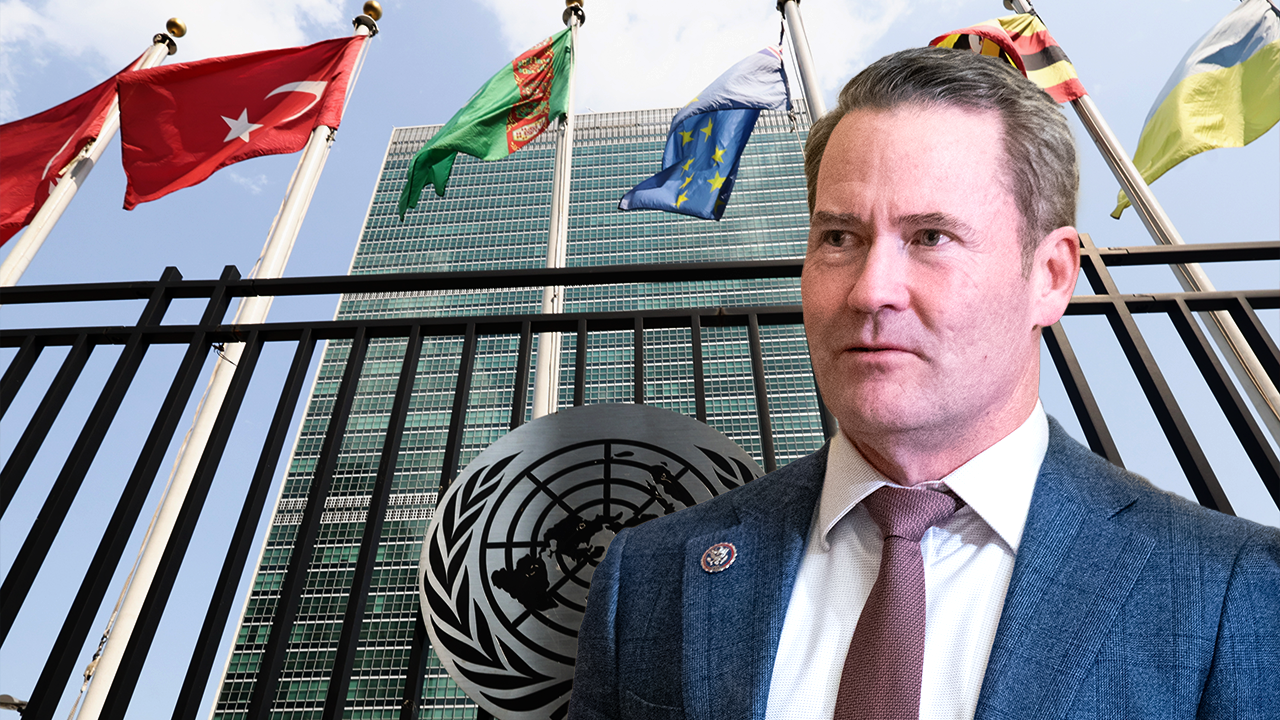
U.S. Ambassador to the United Nations, Mike Waltz, recently discussed America’s approach to Iran, highlighting how former President Donald Trump took steps to diminish Iran’s influence by blocking the Strait of Hormuz. Waltz stated that Iran needs to stop its support for terrorism and nuclear endeavors to move toward a more stable relationship.
The U.S. is working on a new United Nations Security Council resolution that aims to address Iran’s activities in the Strait of Hormuz, a crucial maritime route. Waltz explained that this resolution is designed to hold Iran accountable for actions that threaten international shipping and violate maritime laws.
“The President and Secretary Rubio have tasked us with cooperating fully with Bahrain and Gulf Cooperation Council countries to draft a strong resolution,” Waltz mentioned during a press briefing. He stressed that the proposal is not linked to Project Freedom but is aimed at addressing Iran’s actions.
The resolution will require Iran to halt the laying of sea mines, disclose their locations, and collaborate with the U.N. to create safe corridors for humanitarian aid—safeguarding the global economy and the many lives involved in shipping operations.
As U.S. forces continue to secure commercial shipping routes, there have been recent incidents highlighting the tensions, including reports of U.S. forces sinking Iranian boats that posed threats to vessels in the area. Waltz emphasized that ensuring the safety of international waterways is crucial, adding, “We can’t allow conflicts between two nations to negatively impact the global community.”
He also brought attention to the human cost of the ongoing crisis, noting the risks faced by civilian crew members who have no role in the unfolding geopolitical conflicts. “These are individuals just trying to earn a living; they shouldn’t pay the price for this situation,” Waltz remarked.
In response to questions about long-term solutions, Waltz mentioned that Gulf partners are exploring alternative routes to diversify their trade and reduce reliance on the Strait of Hormuz, including using existing pipelines.
While the U.S. military is focused on immediate stabilization efforts, such as guiding vessels safely through the strait, Waltz highlighted the importance of the U.N. resolution in preventing future conflicts and establishing a clear standard for international maritime operations.
Concerns remain about whether nations like Russia and China will support this latest resolution, following previous attempts that fell through. Waltz believes that the current proposal’s narrow focus on clear violations of international law may garner broader support.
The diplomatic efforts continue as the U.S. seeks to navigate these complicated waters, aiming for a peaceful resolution and the protection of essential trade routes.
