
New Delhi: Tensions Rise Over India-Nepal Border Dispute
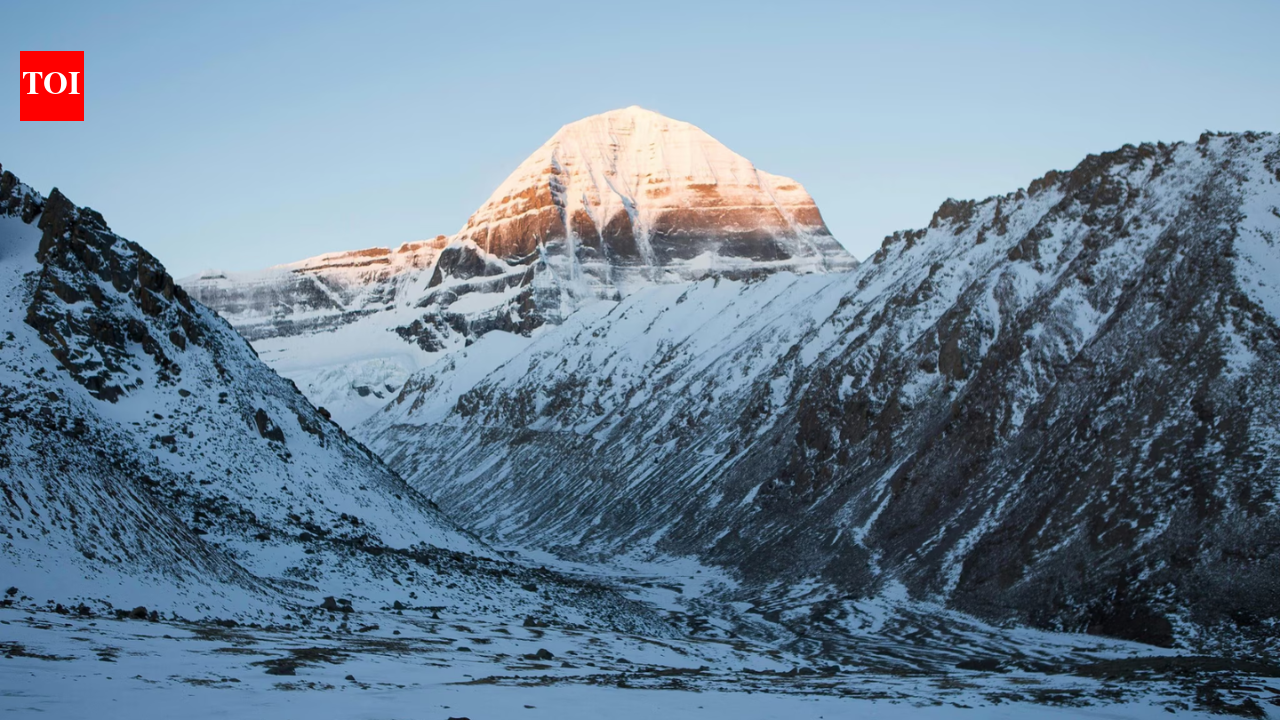
The border disagreement between India and Nepal is heating up again. The new government in Nepal has officially raised concerns about India’s plan to resume the Kailash Mansarovar Yatra, which will pass through the Lipulekh Pass in Uttarakhand—an area that Nepal claims belongs to them.
In response, the Indian government dismissed Nepal’s claims, stating that they are not supported by historical facts. They emphasized that the expansion of territorial claims by Nepal is unfounded. The Indian Ministry of External Affairs reiterated that the Lipulekh Pass has been an established route for the pilgrimage since 1954, so this is not a new issue.
Earlier, Nepal’s foreign ministry expressed its concerns, stating that they have addressed the matter with both India and China. They asserted that according to the Sugauli Treaty of 1816, the territories of Limpiyadhura, Lipulekh, and Kalapani are integral parts of Nepal.
India has, in the past, advised Nepal to avoid making unjustified territorial claims, urging them to acknowledge India’s sovereignty. As the Balendra Shah-led government in Nepal ramps up its foreign policy efforts, this border issue could test the diplomatic ties between the two nations.
Currently, both countries are arranging for a visit by India’s Foreign Secretary Vikram Misri to Kathmandu next week to strengthen their cooperation.
The Lipulekh area, located in western Nepal, is one of the key junctions connecting Nepal, India, and China. While Nepal has repeatedly asked India to refrain from activities like road construction and trade in this area, India maintains that these are part of its territory.
In its communication, Nepal also mentioned that China has been informed that the Lipulekh region is considered part of Nepal. They reaffirmed their commitment to resolving border issues through diplomatic discussions based on historical treaties and agreements.
India responded by expressing its openness to constructive dialogue to address all bilateral matters, including boundary issues.
