
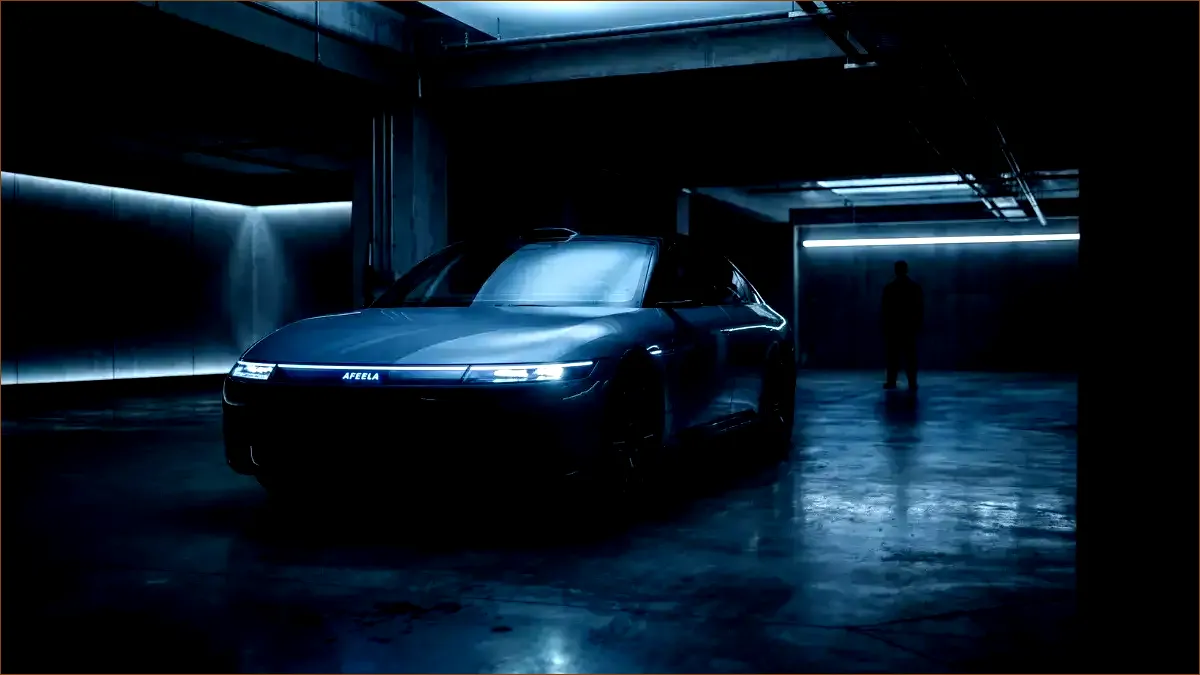
Sony Honda Mobility Ends Afeela Program in North America: A Reality Check for Tech and Auto Hopes
This week, the automotive landscape took a significant turn as Sony Honda Mobility (SHM) announced the cancellation of its Afeela program in North America. For enthusiasts who have been keeping an eye on the fusion of technology and car manufacturing, this news feels like more than just a product setback; it’s a wake-up call regarding the challenges of merging these two worlds. The vision of having a “PlayStation on wheels” has collided with practical realities, and even a collaboration between a technology giant and a car manufacturer couldn’t overcome these hurdles.
The Afeela Journey: From Vision to Reality
The story of Afeela began at CES 2020, where Sony first showcased its Vision-S concept. This display highlighted Sony’s expertise in sensors, entertainment, and design. When Honda partnered with Sony in 2022, the expectation was that they would team up effectively, with Sony focusing on software and user experience while Honda would bring manufacturing capabilities and engineering knowledge.
At CES 2023, the Afeela brand was introduced with promises of advanced autonomy and a fully integrated digital lifestyle. However, recent reports indicate that the North American Afeela program is being scrapped, as SHM reassesses its strategy.
The reasoning behind this cancellation likely stems from a mix of dwindling demand for electric vehicles in North America and the difficulties of merging the distinct corporate cultures of Sony and Honda. While Sony thrives on speedy, high-tech consumer products, Honda operates with a slower, safety-first automotive mindset. Given the high interest rates and underdeveloped charging infrastructure, this clash proved too challenging in a competitive market.
Comparing Success: Why Chinese Companies Excelled
One of the most striking aspects of this development is the contrast with Chinese tech companies like Xiaomi and Huawei. These companies have successfully transitioned from smartphones to smart vehicles quickly and efficiently. For instance, the Xiaomi SU7 moved from announcement to mass production in no time, racking up orders almost immediately.
What sets these firms apart from the Sony-Honda partnership? It boils down to how they integrate and adapt within their ecosystems. Chinese companies often view cars as extensions of their tech offerings, utilizing existing supply chains optimized for fast electric vehicle production. Unlike Sony and Honda, who were trying to work as equals, Chinese companies take the lead in their projects, allowing for more agile decision-making.
Looking Ahead: The Future of Sony and Honda’s Collaboration
Is the partnership finished? Not quite. While the Afeela program may be over, it appears SHM will pivot to become a technology supplier for the automotive sector rather than producing complete vehicles. This shift will let Sony focus on its strengths in user experience and entertainment technology.
We might soon see Sony’s advanced sensors and Afeela tech as part of future Honda models. By avoiding the complexities of launching a new brand in a tough market, Sony can concentrate on designing seamless interfaces that benefit both companies.
A Different Vision Needed
To truly make a mark, Sony and Honda might have needed to rethink their product approach. Instead of a traditional sedan, they could have developed a modular vehicle that serves as a mobile office or communal space, especially since today’s market is leaning heavily towards SUVs and crossovers. Prioritizing user experience and comfort in city traffic would have set them apart more effectively.
Conclusion: A Program Ended but Ideas Evolved
The cancellation of the Afeela program serves as a reminder that simply having a strong brand or engineering background isn’t enough to succeed in the EV market. Sony’s efforts to transition its tech prowess into automotive manufacturing, despite Honda’s expertise, unveiled significant gaps in execution compared to the swift success of Chinese competitors.
Moving forward, the collaboration between Sony and Honda will likely shift from producing cars to providing automotive technology. While we might not see Afeela vehicles on the road, the innovations born from this project will likely influence future Honda vehicles significantly. The dream of combining technology and automobiles isn’t over; it’s simply evolving to meet the market’s challenges.
