
Report Highlights Challenges in Iryna’s Law Implementation
A new report from a state-supported research group has surfaced, pinpointing critical areas that need attention for the effective rollout of Iryna’s Law, which gained swift approval late last year. This report sheds light on the gaps in North Carolina’s mental health and criminal justice systems and offers initial suggestions for lawmakers.
The 37-page report was delivered to state lawmakers on April 1, with insights gathered from over 20 organizations, including state agencies and professional groups. It highlights significant hurdles—such as a lack of treatment options, shortages in the workforce, and limitations within the legal system—that may obstruct the implementation of Iryna’s Law.
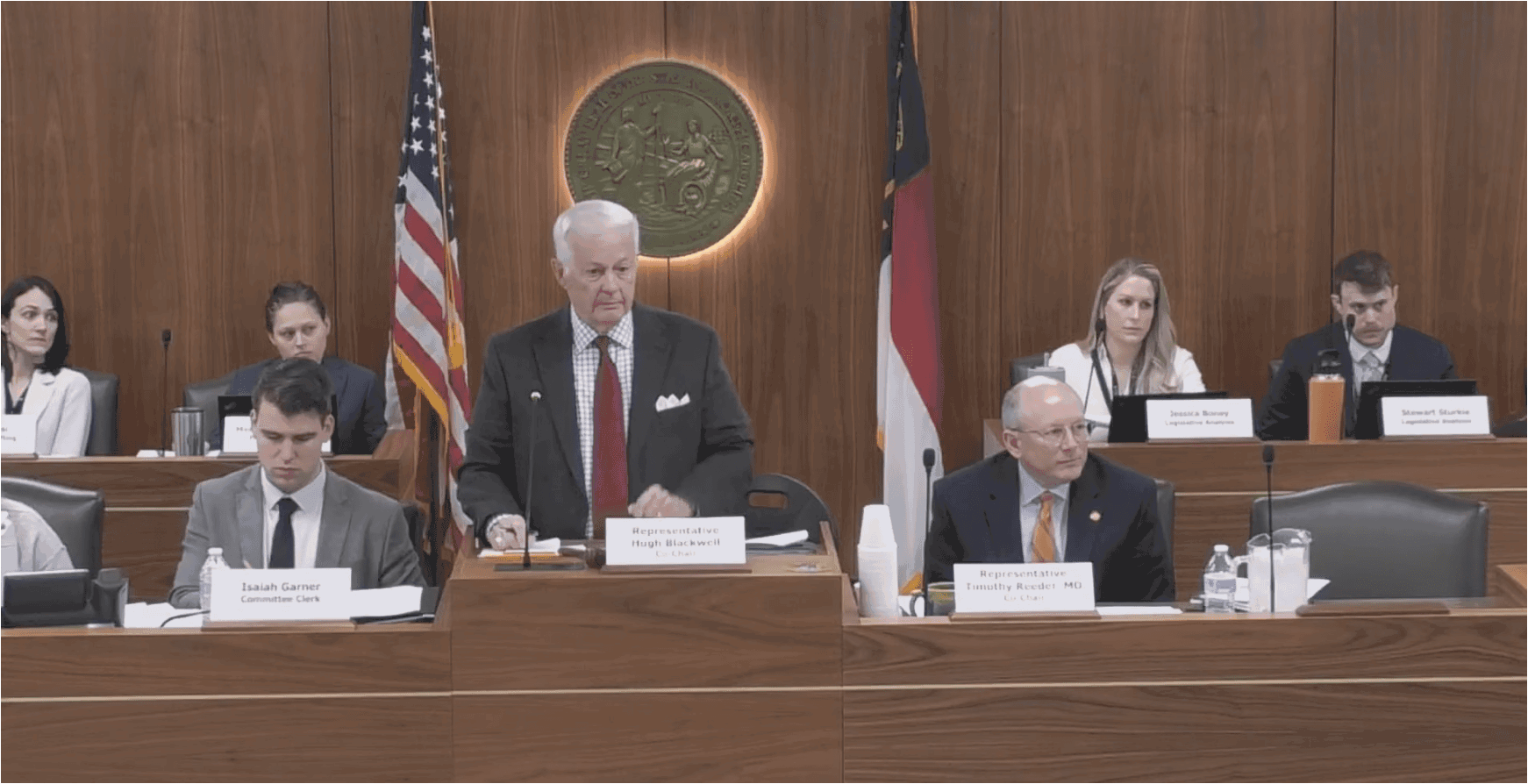
Iryna’s Law, known as House Bill 307, was created following the tragic stabbing of 23-year-old Iryna Zarutska on a light rail train in Charlotte in August 2025. Since then, a special House committee has been convening each month to explore issues related to mental health and criminal justice in North Carolina.
“This is one of the most substantial changes to our mental health and criminal justice systems in many years, with Iryna’s Law presenting considerable operational, financial, and public safety challenges,” stated the report from the NC Collaboratory, a research group at UNC Chapel Hill.
The law, which passed through a Republican-led legislature and took effect last December, tightens pretrial release rules and mandates further mental health evaluations. Another aspect of the legislation, set to kick in December 2026, will require assessments to determine if individuals arrested should be involuntarily committed for psychiatric care.
The man accused of killing Zarutska had a criminal record and faced significant mental health issues. Another tragic incident—the January death of Wake County teacher Zoe Welsh at the hands of a man with a similar history—has brought more attention to the shortcomings of the state’s mental health and criminal justice systems.
Health officials and sheriffs have informed lawmakers that Iryna’s Law adds pressure to systems already pressured without any increase in mental health funding, which many see as a major oversight.
In response, lawmakers allocated over $2 million for additional assistant district attorneys and legal support in Mecklenburg County. They also provided $1 million to the NC Collaboratory to research the connections between mental health and criminal justice systems for both adults and juveniles.
The NC Collaboratory has highlighted two key areas for lawmakers in the upcoming General Assembly short session: improving data collection across health and legal systems and ensuring ongoing research to evaluate the law’s implementation.
Data Challenges
The report notes a significant “informatics issue” in the state, suggesting that current health and criminal justice data systems are too isolated to allow effective data sharing. Because of this, law enforcement lacks crucial health information that would guide their choices, while health providers miss out on important criminal history details.
“There’s a big gap in information,” explained Sam Thompson, head of the Health Information Exchange Authority at N.C.’s Department of Information Technology. He suggested that a “jail nurse” could bridge this divide, serving in both law enforcement and medical settings.
The report states that officials are unable to thoroughly evaluate the current programs available for those with mental health needs within the justice system, as well as the trends in involuntary commitments in North Carolina.
To address these data challenges, the report encourages lawmakers to designate a specific agency for data coordination, improve data flow, and create new reporting requirements related to involuntary commitments.
Currently, lawmakers lack essential information, such as the quantity of involuntary commitment petitions and the rate at which judges approve them. Existing data shows that requests for involuntary commitments have drastically increased—from about 54,000 in 2011 to over 106,000 in 2021. However, this data reflects requests rather than the actual number of individuals affected, and it does not track how many go through the commitment process or the duration of treatment.
Ongoing Research
The NC Collaboratory has allocated $1.08 million for researchers at UNC Chapel Hill and Duke University to embark on nine studies examining various intersections between mental health and criminal justice. These studies will cover topics such as initial responses to behavioral health crises, jail-based mental health services, and potential reforms for involuntary commitments.
Results from these studies are expected to guide lawmakers by March 1, 2027, and will discuss options for reforming commitment laws, improving crisis response coordination, and enhancing evidence-based standards for mental health care in county jails.
While these studies aim to tackle urgent implementation questions surrounding Iryna’s Law, the report stresses that more research is necessary to fully grasp other challenges, such as treatment availability and staffing shortages within health and law enforcement agencies.
In conclusion, the report advocates for the establishment and funding of an Office of Health and Justice Research within the NC Collaboratory, which would promote ongoing studies into the overlap of health and criminal justice fields.
Members of the House Committee on Involuntary Commitment and Public Safety are scheduled to release their recommendations on April 14, potentially suggesting updates to Iryna’s Law based on stakeholder feedback.
