
Reintegration Challenges for Recently Released Prisoners in North Carolina
In North Carolina, every year over 18,000 individuals leave prison and return to their communities. For many, the path to rebuilding their lives is filled with obstacles, particularly in terms of securing housing, jobs, and health care.
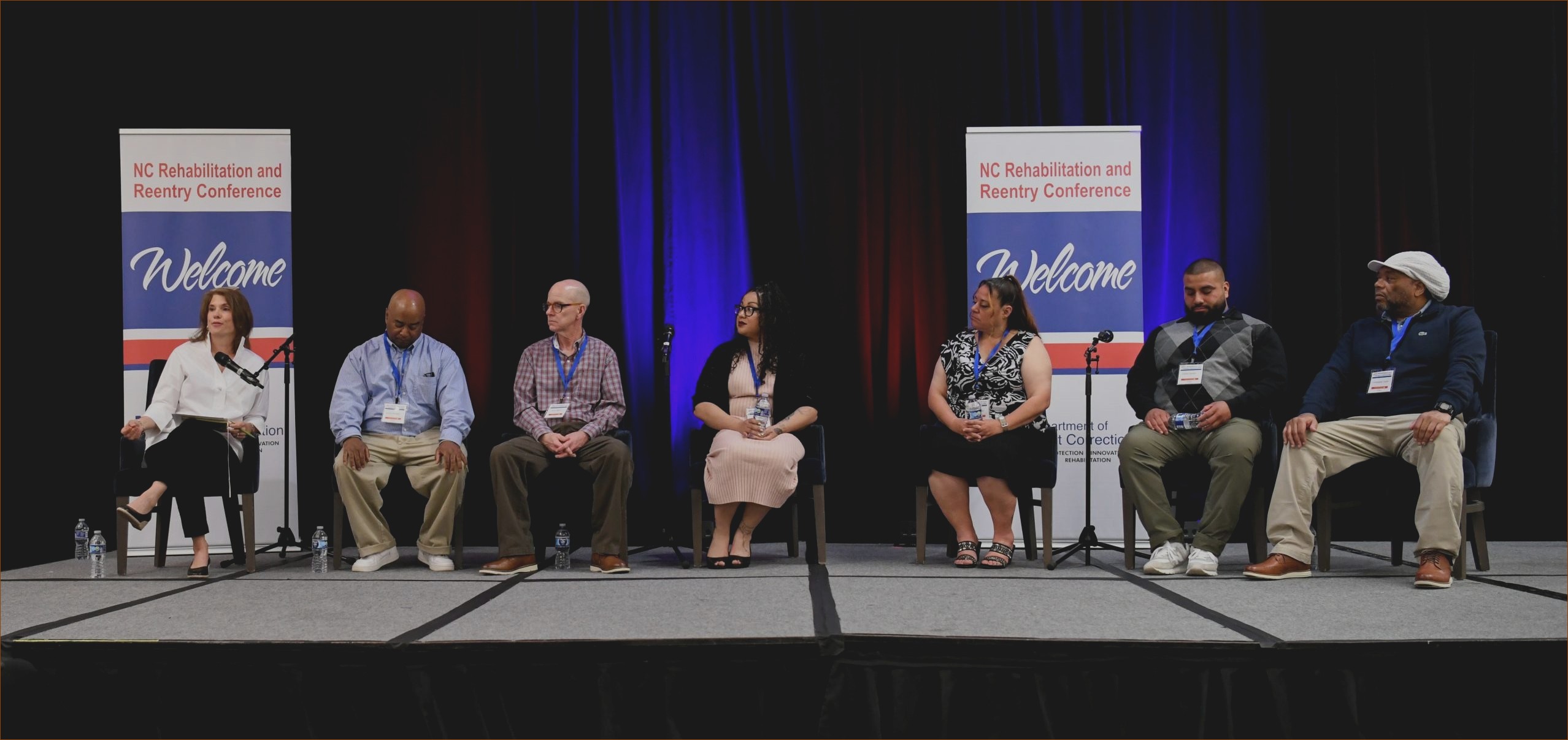
These issues were highlighted at the North Carolina Rehabilitation and Reentry Conference in Raleigh on April 7, where six people currently incarcerated shared their experiences with an audience of more than 600 attendees. They spoke openly about their primary concerns as they neared release, including reconnecting with family, finding employment despite having a criminal record, and acquiring necessary items for a fresh start.
“I worry about being judged when I go back home and how people will see me differently,” said Rosemary Hernandez, who is set to be released in January 2029. She mentioned a friend who struggled for a year to find a job after her release, emphasizing the urgent need for stable employment to reunite with her children.
For others, finding housing, transportation, and obtaining identification were urgent challenges. “Reconnecting with family is my biggest issue,” said Christopher Taylor, who plans to leave prison in January 2028. He noted the difficulties of transitioning back into his daughter’s life, who is now an adult. Additionally, he identified the lack of proper identification, health care, and housing as crucial barriers to success.
The conversation also touched on beneficial programs available to inmates, such as education and work opportunities within the prison system.
First Lady Anna Stein, who prioritizes rehabilitation as part of her role, moderated the panel discussion to bring visibility to these concerning issues. “Talking directly with those in prison helps me understand their challenges and what they need for successful reentry,” she stated during the event.
Since January 2024, state leaders have been working to break down the barriers facing the 95 percent of incarcerated individuals in North Carolina who will eventually return to society. They believe improving reentry support is vital for offering second chances and enhancing public safety, noting that successful reintegration can reduce recidivism.
A report from April 2024 revealed that 44 percent of nearly 13,000 people released from North Carolina prisons in 2021 were re-arrested within two years, and 33 percent were reincarcerated. The financial implications are significant, with the cost of housing one individual in prison exceeding $54,000 annually.
N.C. Department of Adult Correction Secretary Leslie Cooley Dismukes remarked, “Every person deserves to live, work, and raise their families in a safe environment. Our correctional system should focus on that kind of community safety by supporting rehabilitation and reentry.”
Progress Toward Reentry 2030
Former Governor Roy Cooper initiated Executive Order No. 303 on January 29, 2024, starting a comprehensive approach to help those transitioning back to society. This initiative, which has continued under Governor Josh Stein, aims to improve reentry outcomes.
“It’s about providing people with necessary tools to build their lives again,” said Gov. Stein during the conference. “When individuals succeed, their families benefit too, and ultimately, our communities become safer and stronger.”
North Carolina’s commitment is part of the Reentry 2030 initiative, which seeks to reduce the recidivism rate by 30 percent by 2030. The state, one of seven involved, has set clear goals to improve economic mobility, health care access, housing opportunities, and to remove barriers for those reintegrating into their communities.
Addressing Resource Challenges
As North Carolina works toward ambitious reentry goals, it faces significant resource challenges. Dismukes has warned that the Department of Adult Correction is experiencing a staffing crisis, needing nearly 4,700 additional officers to fully staff its facilities. Staffing shortages often lead to cutbacks in programs, further limiting support for individuals re-entering society.
“Without adequate resources, we can’t even provide basic safety and care. Programs must come second,” Dismukes noted, emphasizing the effects of the budget constraints they face amid rising costs and a lengthy budget impasse in the state legislature.
New Initiatives in Reentry Support
Despite these challenges, the department is exploring creative solutions, including expanding volunteer programs to help maintain support and services. Additionally, they are pursuing grant opportunities to help fund educational and workforce programs for those with criminal backgrounds.
Community organizations and nonprofits are also stepping in with their initiatives, like the transformation of a former prison into a reentry and workforce center, and efforts led by the JUMP Project to create job opportunities for justice-involved individuals.
Larry Miller, a prominent voice in reentry advocacy, shared his own journey from incarceration to a corporate executive, illustrating the possibilities of successful reintegration. “North Carolina is setting a strong example for other states,” he affirmed.
State leaders remain focused on reducing barriers for individuals returning to society and enhancing the support systems that can help them thrive. “We must choose to lower the obstacles to successful reentry,” Gov. Stein concluded.
