Close Menu
  • Home
  • World News
  • India News
  • Business News
  • Health
  • Sports
  • Indian Diaspora In US
  • Technology
  • Bollywood
  • Education
Facebook X (Twitter) Instagram
Wednesday, June 10, 2026
Breaking News
  • India vs Afghanistan: Rohit Sharma Sharpening Skills in Mohali Nets
  • Three Indians Disappear Following Latest Attack on Ship Near Oman Coast
  • Shubman Gill and Lokesh Rahul Crush Runs as India Soars to 368-3 on Test Day 1 vs. Afghanistan
  • El Salvador Launches the World’s Biggest Hub for Aircraft Maintenance
  • BlackRock: India’s Long-Term Investment Potential Overshadowed by AI and Oil Concerns
  • Google’s $20 Billion Gamble in Ohio: Job Growth, Power Innovations, and a Commitment to Ratepayers
  • BREAKING: CBFC Shakes Off Controversy, Greenlights Bharat Bhhagya Vidhata, Haunted – Echoes Of The Past, and Backrooms with No Edits!
  • Doctors Sound Alarm on ‘Dirty Soda’ Craze Due to Sky-High Sugar Levels
Facebook X (Twitter) Instagram
India Bulletin
Advertisement
  • Home
  • World News
  • India News
  • Business News
  • Health
  • Sports
  • Indian Diaspora In US
  • Technology
  • Bollywood
  • Education
India Bulletin
Home»Health»Sprinkling Salt at the Table: A Hidden Health Hazard for Seniors
Health

Sprinkling Salt at the Table: A Hidden Health Hazard for Seniors

April 8, 20263 Mins Read
Facebook Twitter Email
Share
Facebook Twitter Email


How Adding Salt at the Table Can Reflect Your Health

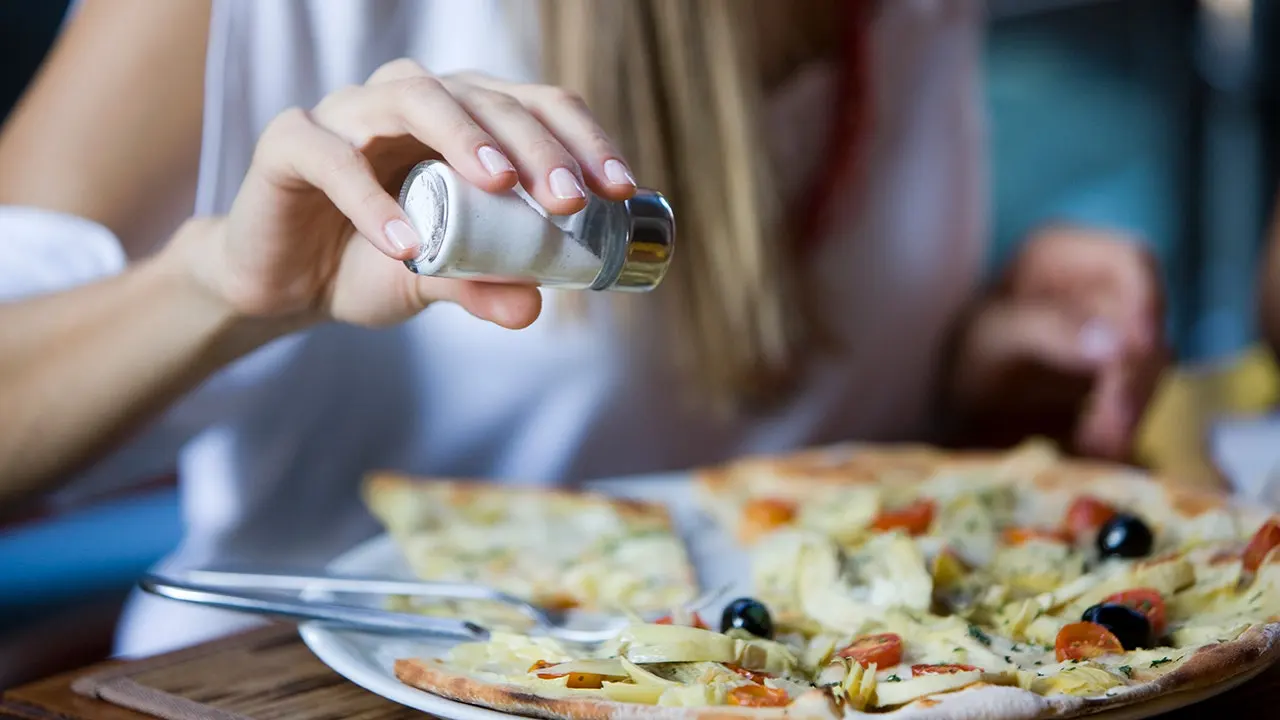
Reaching for the salt shaker while enjoying a meal might seem normal, but it could point to some important health insights. Recent research from Brazil, featured in the journal Frontiers in Public Health, examined how older adults use salt when eating.

The study evaluated data from over 8,000 Brazilians aged 60 and older, collected between 2017 and 2018. Participants were asked if they usually add salt to their food at the table. The researchers looked at various characteristics linked to this habit.

Approximately 10.9% of older adults admitted to using salt on their meals. Interestingly, more men reported this habit than women—12.7% compared to 9.4%.

Among men, those not following a low-sodium diet were over twice as likely to add salt to their food. Men who lived alone were 62% more likely to use salt compared to those living with others.

For women, those not on a low-sodium diet had a 68% higher chance of using extra salt. The study also noted that women who typically add salt consume fewer fruits and vegetables. Specifically, they were 81% more likely to salt their food if they didn’t eat fruit and 40% more likely if they didn’t eat vegetables. Women with a high intake of processed foods were also more than twice as likely to add salt to their meals.

Since this was a cross-sectional study, it established links but couldn’t confirm cause and effect. Some data was self-reported, which might limit the findings.

High sodium diets are known to increase blood pressure, raising risks for heart disease, stomach cancer, obesity, osteoporosis, and kidney issues. The World Health Organization (WHO) states that around 1.89 million deaths annually are linked to high sodium consumption. They recommend that adults limit their salt intake to less than 5 grams per day, roughly a teaspoon.

Dr. Débora Santos, a co-author of the study and professor at Rio de Janeiro State University, suggested looking for alternatives to salt, like herbs and natural spices, or using citrus to keep food flavorful without excess salt. She also mentioned that not placing saltshakers on the table could help reduce the habit.

Los Angeles-based dietitian Ilana Muhlstein, who wasn’t involved in the research, noted her concern about people adding salt before tasting their food. She pointed out that men are more likely to add salt than women, which she has also observed in her practice. She believes that awareness about the negative effects of high salt intake might make women more cautious.

Muhlstein also speculated that men who live alone might order more takeout, which usually contains more salt compared to home-cooked meals.

She emphasized that the connection between low-sodium diets and reduced salt use should inspire health officials to promote nutrition education and encourage eating whole, less processed foods.

In conclusion, the study sheds light on how our eating habits can be tied to our health, particularly in older adults. Reducing salt intake may help improve overall well-being and lower the risk of heart disease and other health issues.

diet trends geriatric health Health Healthy high blood pressure lifestyle nutrition
Share. Facebook Twitter Email
admin
  • Website

Related Posts

Doctors Sound Alarm on ‘Dirty Soda’ Craze Due to Sky-High Sugar Levels

June 10, 2026

Shining a Light on Mental Health: DKY Foundation’s Efforts in Indiana

June 9, 2026

Diabetes Medication Shows Promise in Heart Failure Prevention for High-Risk Patients

June 9, 2026
  • Facebook
  • Twitter
  • Instagram
Don't Miss

India vs Afghanistan: Rohit Sharma Sharpening Skills in Mohali Nets

Three Indians Disappear Following Latest Attack on Ship Near Oman Coast

Shubman Gill and Lokesh Rahul Crush Runs as India Soars to 368-3 on Test Day 1 vs. Afghanistan

El Salvador Launches the World’s Biggest Hub for Aircraft Maintenance

Started in 2004, India Bulletin is the largest and
most read South Asian publication
in Chicago and surrounding Midwest.

  • Home
  • About Us
  • Contact
  • Advertise With Us
  • Privacy Policy
  • Terms of Use
  • Disclaimer
  • CCPA
News
  • Bollywood
  • Business News
  • Health
  • India News
  • Indian Diaspora In US
  • Sports
  • Technology
  • World News
Facebook X (Twitter) Instagram

Type above and press Enter to search. Press Esc to cancel.

Accessibility Adjustments

Powered by OneTap

How long do you want to hide the toolbar?
Hide Toolbar Duration
Select your accessibility profile
Vision Impaired Mode
Enhances website's visuals
Seizure Safe Profile
Clear flashes & reduces color
ADHD Friendly Mode
Focused browsing, distraction-free
Blindness Mode
Reduces distractions, improves focus
Epilepsy Safe Mode
Dims colors and stops blinking
Content Modules
Font Size

Default

Line Height

Default

Color Modules
Orientation Modules