
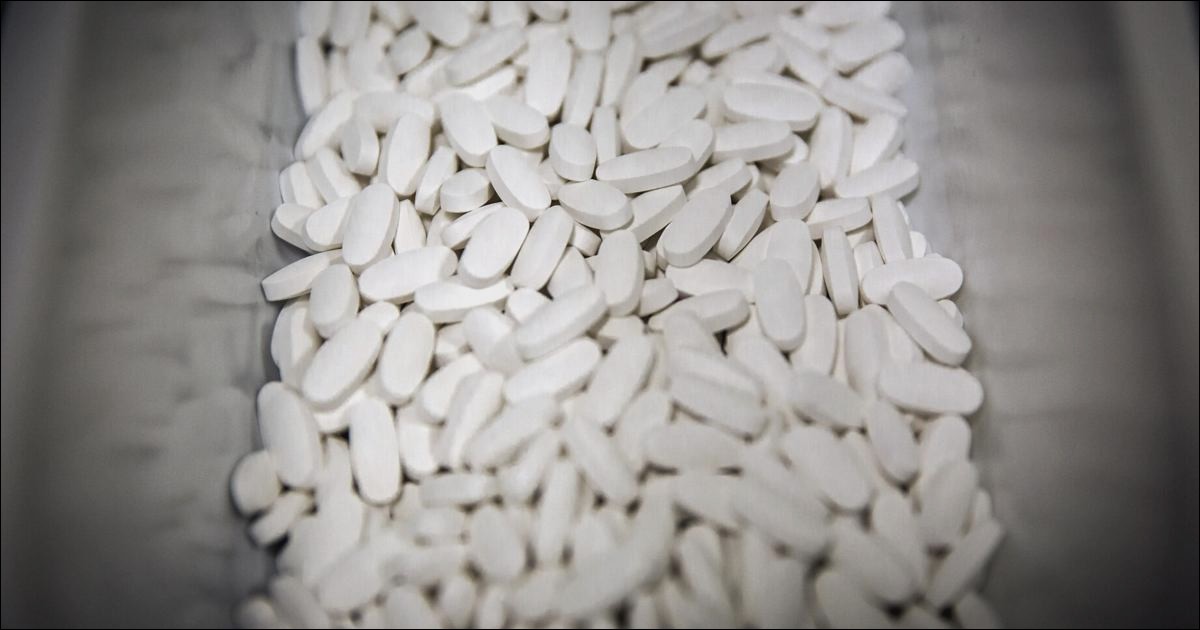
The Trump administration is set to introduce tariffs on certain imported medicines, with rates potentially reaching 100%. This initiative aims to encourage drug manufacturers to produce more in the United States, although there will be several exceptions.
President Trump approved this measure on Thursday, which targets patented medications from countries that don’t have tariff agreements with the U.S. These tariffs will mostly affect larger companies with less favorable pricing agreements. For these firms, the tariffs will start in 120 days, while smaller manufacturers will have a grace period of 180 days.
Under the new rules, medicines imported from major economies that have deals with the U.S. will only incur tariffs of up to 15%. This includes countries like the European Union, South Korea, Japan, and Switzerland. Notably, the UK will see a reduced rate, thanks to a new agreement committed to increasing government spending on new medicines.
Pharmaceutical companies that commit to some production in the U.S. can benefit from a lower import tax of 20%. If they also agree to favorable pricing arrangements, they can avoid tariffs altogether until January 20, 2029.
This change comes as a response to Trump’s previous threats to impose high tariffs on imported medicines unless drug makers shift production to the U.S. However, many major companies, such as Merck and Eli Lilly, have managed to negotiate terms to avoid these tariffs.
Experts suggest that smaller pharmaceutical companies and ingredient producers will be the most affected by these tariffs, with estimates indicating that only around $12 billion worth of goods out of a total $274 billion in pharmaceutical imports in 2025 will face the full 100% tariff.
Some industry leaders have voiced concerns over the potential negative impacts of these tariffs. John Crowley, CEO of the biotech lobbying group BIO, stated that these charges could increase costs and hinder the development of new treatments, particularly for smaller biotech firms that struggle with financial constraints.
As for the UK’s situation, its tariff will initially be set at 10%, but it could drop to zero if GSK Plc finalizes a manufacturing deal with the U.S. government.
The new tariffs will not apply to generic medicines, but an evaluation of these products is planned for the next year, which may allow for future tariffs based on production shifts. Specialty medicines aimed at rare diseases and essential health needs may also be exempt if they come from countries with trade agreements.
This latest tariff initiative follows an investigation started in April 2025 that found certain imports could pose a national security risk. There are concerns that these tariffs might disrupt supply chains, increase shortages, and elevate prices for consumers.
These tariffs mark the latest in Trump’s trade protectionist policies, especially following a Supreme Court ruling that challenged his broader tariff authority. While Trump has often criticized foreign production as a national security concern, the new tariffs will force drug makers to decide between absorbing costs or passing them onto consumers, who already face high prices for medications.
The impact on patients remains unclear at this point. The U.S. already has the highest drug prices globally, influenced by complex negotiations among insurance companies, pharmacies, and manufacturers. However, consumers might eventually see higher costs through increased co-pays or insurance rates.
