
Delhi’s Living History: The Joy of Walking
In Delhi, the past isn’t just found in museums; it’s alive on the streets. From hidden havelis to ancient tombs, the city tells its stories through its bustling neighborhoods and serene dargahs. To truly grasp this vibrant city, slowing down and walking is key.
During a recent discussion among community leaders, Mohammad Anas, a leader of heritage walks, shared what he believes Delhi must always cherish: “The storytellers of Delhi.” His fellow panelists, Shah Umair and Abu Sufiyan, echoed this sentiment, emphasizing the importance of preserving the art of storytelling that keeps the city’s rich culture alive.
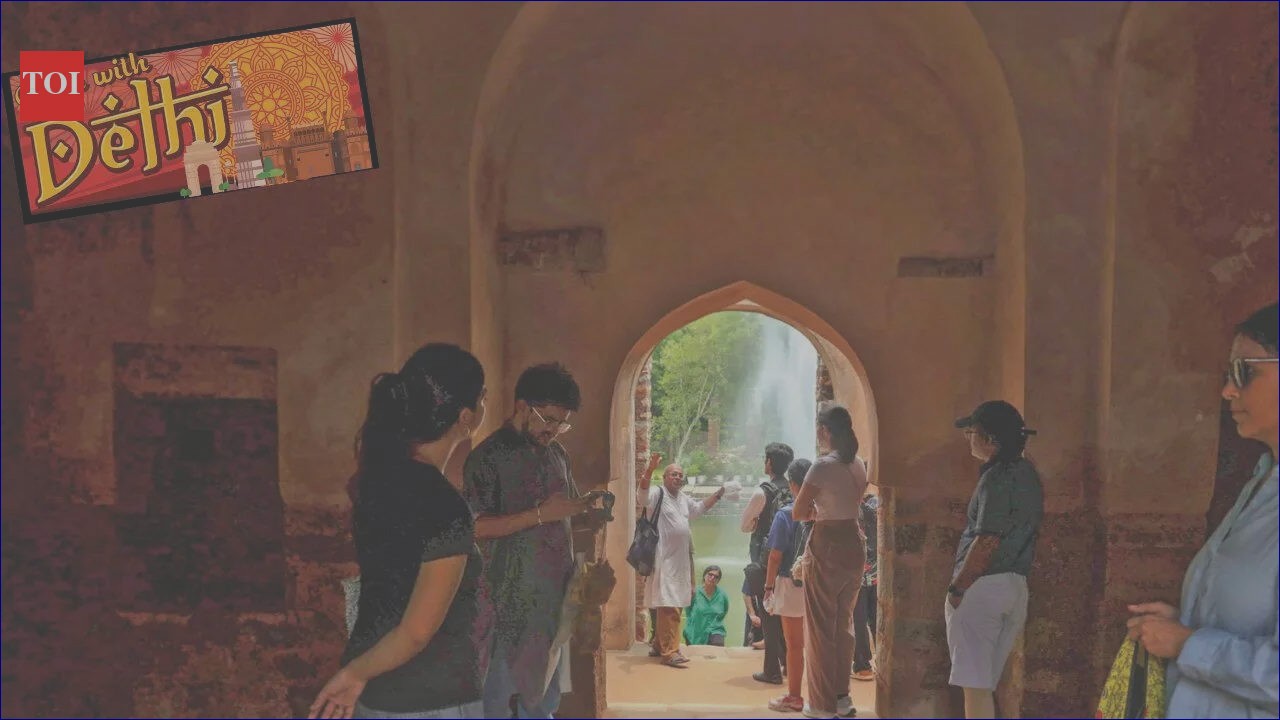
Walking in Delhi allows visitors to truly experience its unique character—its sounds, sights, and stories in a way one simply cannot while driving. Sachn Bansal, founder of Delhi Walks, pointed out that walking offers a chance to delve into the everyday traditions and hidden spots of the city, like the enchanting Dargah Nizamuddin and the flavorful street food.
The heart of Delhi’s walk culture is its storytellers—historians, photographers, and locals who share their passion for the city. As they guide you, monuments transform from just stone structures into living narratives, unveiling layers of history often overlooked in our fast-paced lives.
“It’s one thing to see a beautiful picture online, but another to stand before a monument and feel its history,” says Mohammad Anas, emphasizing the depth of experience one gains from being physically present.
Walking through Delhi brings emotional connections as well. Nitika Arora from Darwesh Taleweavers shared her deep bond with the city, saying her walks help her give back to it by sharing its tales with care. In a vehicle, Delhi blurs past in a rush; on foot, it comes alive—the scents of street food, the intricate details of buildings, and the stories waiting to be discovered.
Anoushka Jain, of Enroute Indian History, believes that by walking, you can observe even the smallest architectural details that are easily missed when driving. This approach not only creates intimate memories but also deep connections to the city.
Walking reveals the hidden stories in everyday life. Each step allows you to notice the sounds, smells, and textures around you, fostering a sense of belonging. Ramit Mitra, founder of DelhiByFoot, mentioned how participants often tell him they pass by significant places every day without realizing their importance until they ventured on a heritage walk.
These walks mean more than just facts; they weave together the city’s complex history, architecture, and culture, offering a well-rounded understanding of Delhi’s past and present. Participants leave with a richer appreciation of the city, often feeling a renewed connection to the places they thought they knew.
Beyond just the historical aspects, walking together often sparks unexpected connections among participants. Dushyant Singh Panwar noted that many find fresh joy in these explorations, reminiscing about their childhood or discovering new friendships during the walk.
As Nitika pointed out, walking not only enhances our understanding of Delhi’s rich history but also fosters a dialogue between its past and present inhabitants. It transforms the city from a mere backdrop into an engaging conversation.
In essence, walking through Delhi is about more than sightseeing; it’s an experiential journey that brings people closer to the city’s heart and to each other.
