
The Role of Cloud Services in Our Digital Lives
In our day-to-day lives, we often overlook how much we rely on the internet. From searching for answers, shopping online, planning events, to chatting with friends and family, we use various applications without realizing that these conveniences depend on a few major cloud and internet service providers.
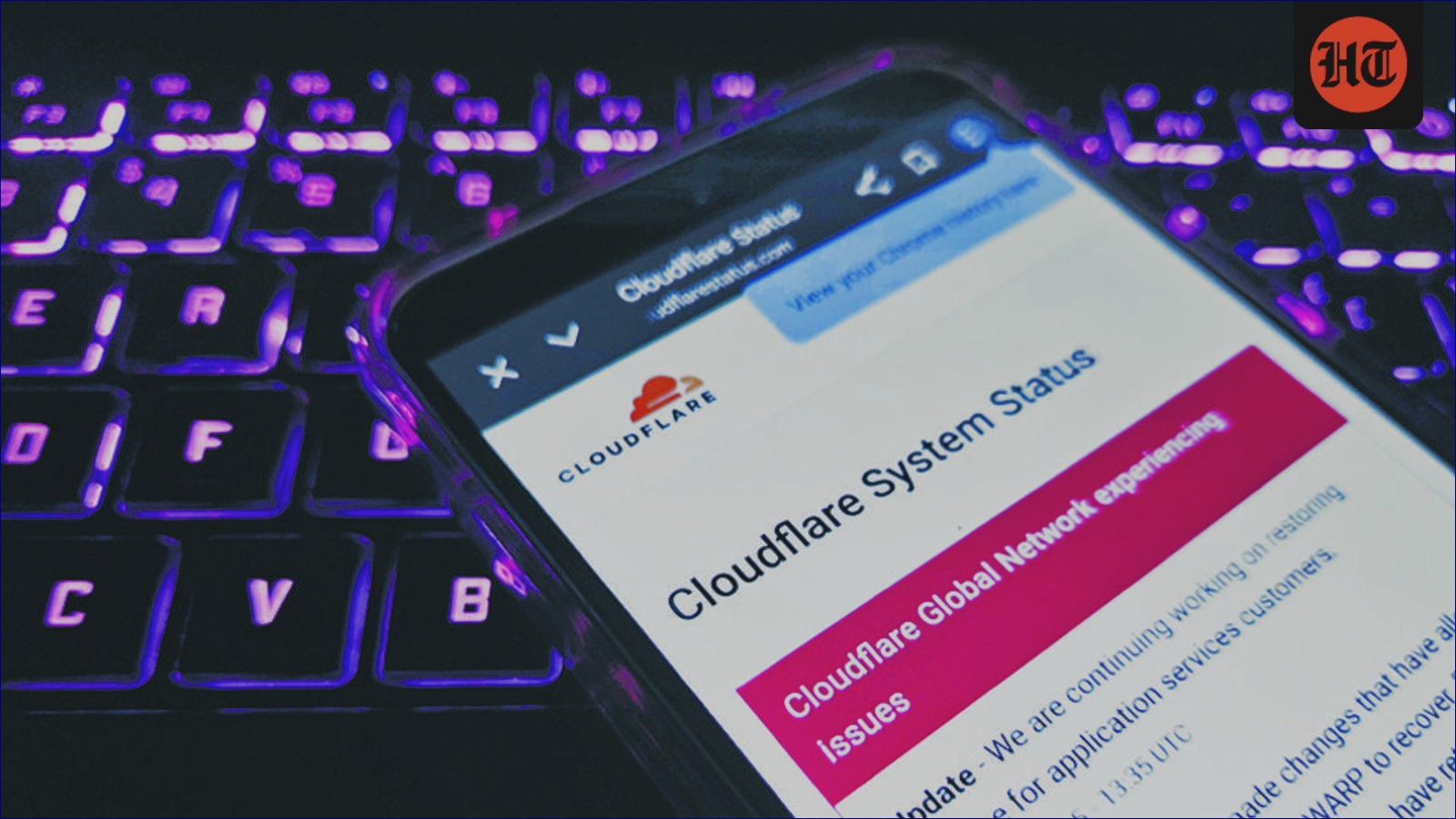
A recent incident highlighted this reliance. When Cloudflare experienced a system outage for several hours last month, many popular websites, including Ikea and ChatGPT, became inaccessible. Users frantically refreshed their browsers, checked their home internet connections, and even called their service providers, all while the cause of the issue remained unknown.
Cloudflare, valued at over $70 billion, plays a critical role in the internet’s framework by offering services that ensure websites and applications are secure and perform well. It supports many companies, allowing users to access their content smoothly. For instance, when you visit Canva, your request first goes from your internet provider to Cloudflare’s data center, which then connects you to the Canva site.
During the outage, Cloudflare’s engineers initially suspected a cyberattack, as such incidents have become more common. They explored possibilities like Distributed Denial-of-Service (DDoS) attacks, where cybercriminals flood a site with fake requests to overwhelm it. However, a quick internal check revealed that the issue stemmed from a simple error in permissions made by a team member, causing a database issue that led to an internet traffic crash.
While this case was an internal mishap, it raises concerns about general cybersecurity. For example, earlier this year, a security researcher uncovered a significant flaw in Tata Motors’ systems, leading to the exposure of vast amounts of sensitive data. This was attributed to a lack of proper security measures, like leaving access keys visible in public source code.
As more companies in India transition to cloud services, the risks associated with cyberattacks are increasing. According to the India Cyber Threat Report 2025, a staggering number of malware detections were noted, illustrating the seriousness of supply chain attacks as a major threat to the nation’s digital infrastructure.
Increased Vulnerability Due to Cloud Dependency
Cloud services have become essential for our internet activities, enabling quick access to various resources online. However, this centralization creates significant vulnerabilities. Approximately 65% of the global cloud infrastructure relies on just three companies: Amazon Web Services, Microsoft Azure, and Google Cloud. This heavy dependence means that if one major provider experiences issues, a considerable portion of the internet could become unavailable, leading to chaos in banking, commerce, and other essential services.
The interconnectedness of cloud services is a crucial aspect of the internet’s supply chain, which also includes subsea cables and local internet service providers. Disruptions at any point in this chain could lead to data theft or major service interruptions.
The World Economic Forum’s Global Cybersecurity Outlook 2025 shows that the complexity of these supply chains contributes to the growing threat of cyberattacks. The report highlights the need for better oversight of security protocols across these networks.
New Threats Emerge with Technology
Not long ago, issues with cloud security weren’t viewed as significant threats. However, with the rapid rise of cybercrime targeting cloud technologies and data, these concerns have now taken center stage. The swift adoption of AI presents another challenge. Last year, a vast majority of organizations reported security breaches related to AI systems that lacked adequate controls.
Furthermore, the availability of AI tools has enabled cybercriminals to enhance their skills and attack methods. Reports indicate that around 16% of breaches in 2024 involved AI in phishing attacks and deepfakes, making these threats harder to spot.
The interplay of geopolitics also complicates the cybersecurity landscape. Nations increasingly use cyber tactics to undermine others. For instance, India’s ties with Israel have led to attacks from hacktivist groups, which have targeted its systems. Similarly, countries like the US have reported attacks from nations like China, North Korea, and Russia. As global relations become more strained, countries, including India, are emphasizing the need for secure and sovereign digital infrastructures.
The immediate future indicates a rise in state-sponsored attacks, threats powered by AI, and vulnerabilities in supply chains. Looking forward, concerns about advanced attack methods, such as quantum warfare, pose significant challenges for cybersecurity and highlight the need for a reevaluation of our digital frameworks.
As technology continues to evolve, the potential for fresh vulnerabilities grows, emphasizing the importance of developing robust cybersecurity measures to protect crucial data and services in our increasingly interconnected world.
