
Exploring the Impact of Artificial Intelligence on Humanity
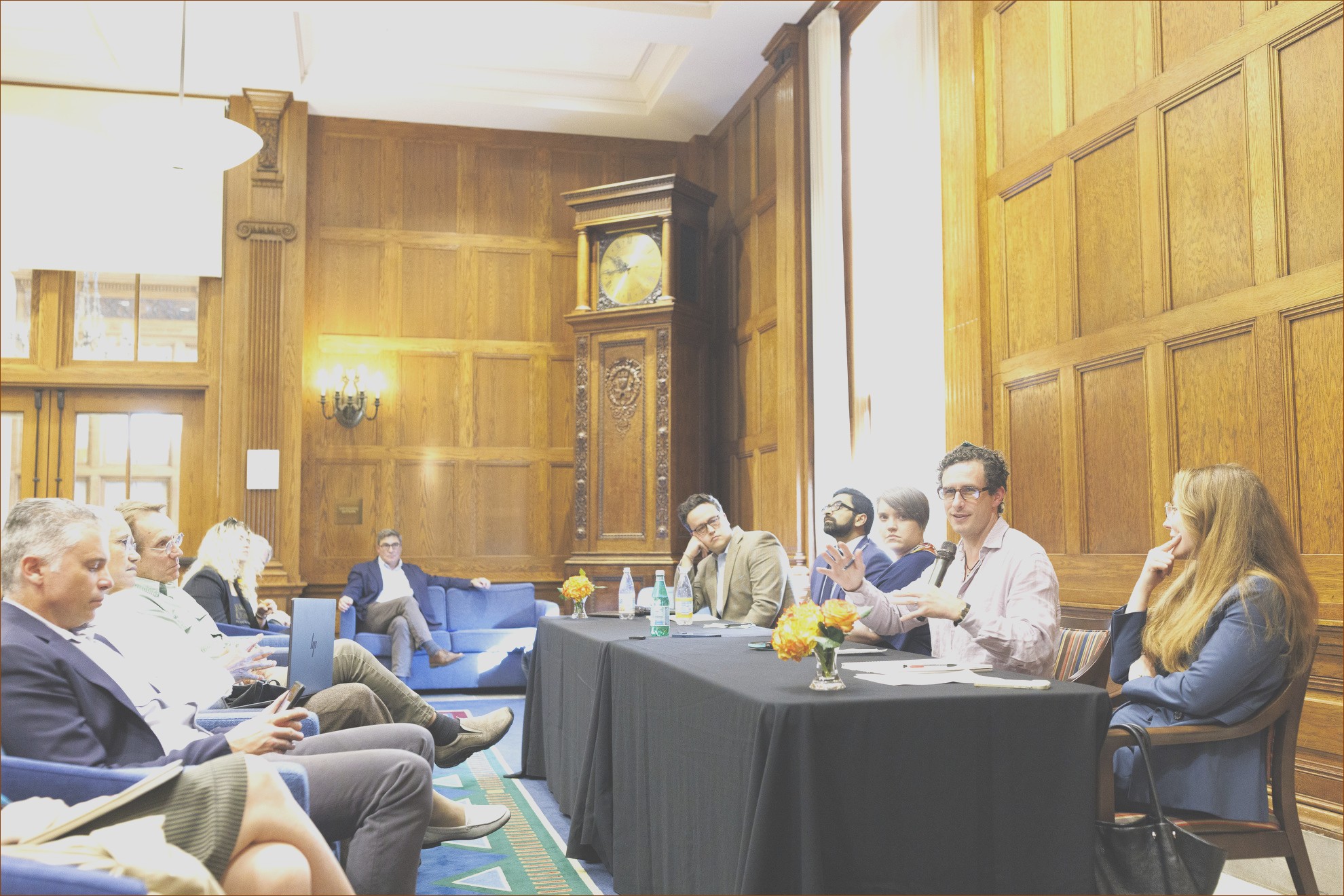
What does the growing presence of artificial intelligence (AI) mean for our future? This key question was explored during a recent panel discussion titled “How is digital technology shaping the human soul?” The event, held on October 1, featured experts from various fields, including computer science and literature.
The discussion was part of the Public Culture Project, a new initiative aimed at placing human-focused thinking at the center of important modern conversations. Ian Marcus Corbin, the program director and a philosopher at Harvard Medical School, kicked off the session by wondering, “Are we becoming more like tech people?”
The responses were diverse. Nataliya Kos’myna, a research scientist from the MIT Media Lab, pointed out that while humanity is great at creating tools—like the typewriter and the internet—that improve our lives, they don’t always lead to happiness or fulfillment. She raised concerns about AI tools like ChatGPT, suggesting they may actually hinder our ability to find joy.
To illustrate her point, Kos’myna shared findings from a study where 54 students had their brain activity monitored while writing essays. Some used ChatGPT, others researched online, while a third group relied solely on their own ideas. The results were telling: students using ChatGPT showed significantly less brain activity and produced essays that focused mostly on career choices as the path to happiness. In contrast, those who researched online discussed themes like generosity, while the group relying solely on their own thoughts delved deeper into what true happiness means.
A revealing moment came when participants were asked to recall a line from their own essays just a minute after submitting them. A striking 83% from the ChatGPT group couldn’t remember anything they’d written, compared to just 11% from the other groups. Kos’myna emphasized, “Your brain needs struggle. It doesn’t thrive when tasks are too easy.”
E. Glen Weyl, from Microsoft Research, offered a more hopeful perspective on technology. He argued that merely seeing problems can make us feel powerless, and suggested that scientists need to rethink how technology is designed. Weyl encouraged a focus beyond the current commercial model, which drives tech companies mostly by selling ads.
Brandon Vaidyanathan, a sociology professor, highlighted that there’s often a deeper meaning behind scientific work—what he termed “spiritual intelligence.” He argued that when scientists engage with their subjects thoughtfully, they experience a genuine respect for their work, which can foster a sense of connection rather than merely a focus on utility.
Moira Weigel, a Harvard literature professor, directed the conversation back to age-old questions about humanity. She asked thought-provoking queries like, “What is the purpose of work?” and “Do our technologies empower us or restrict our freedom?” Weigel suggested that AI raises important questions about the nature of education itself, prompting discussions about how human and machine capabilities differ.
The panelists unanimously agreed that technology offers both challenges and opportunities. Vaidyanathan concluded by pondering whether it might be possible to develop technology that nurtures a sense of reverence and connection instead of control and domination.
In this era of rapid digital advancement, the dialogue around AI and its influence on our lives shows no signs of slowing down. As we navigate this uncharted territory, the emphasis remains on ensuring that technology serves humanity rather than the other way around.
