
Understanding Hepatitis B: Causes, Symptoms, and Prevention
Hepatitis B vaccination is widely advised, but many might wonder what this vaccination actually protects against. This week, HHS Secretary Robert F. Kennedy Jr. and his team will come together to discuss and possibly decide on several vaccine recommendations, including those for hepatitis B, COVID-19, and measles, mumps, and rubella.
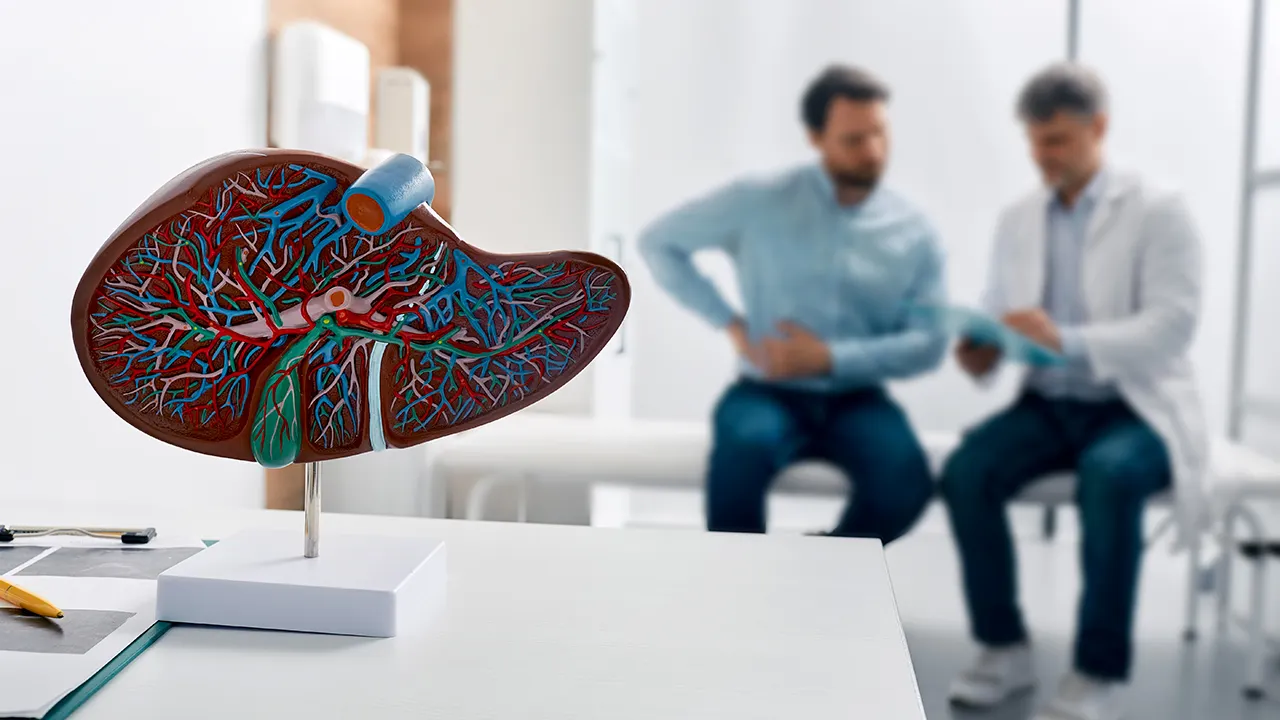
Hepatitis B is a significant viral infection that inflames the liver. It’s the most common liver infection globally, with around 254 million people affected, according to the World Health Organization.
This infection may be short-term, known as acute hepatitis B, or it can become long-term, leading to serious complications like liver cirrhosis and even liver failure.
What Causes Hepatitis B?
Hepatitis B spreads through contact with infected bodily fluids, such as blood, saliva, menstrual fluids, and amniotic fluid. This can occur through unprotected sex, sharing needles or syringes, and using contaminated medical equipment. Additionally, a mother can pass the virus to her baby during childbirth.
While anyone can contract hepatitis B, those with sexually transmitted infections, individuals on immunosuppressants like chemotherapy, and patients undergoing dialysis are at a higher risk.
Symptoms of Hepatitis B
Not everyone infected will show symptoms, but when they do appear, they can include:
- Abdominal pain
- Fatigue
- Fever
- Joint pain
- Loss of appetite
- Nausea and vomiting
- Weakness
Other signs indicating liver issues may include dark urine, light or clay-colored stool, yellowing of the skin and eyes (jaundice), and swelling due to fluid retention.
A person remains contagious as long as the virus is active in their system. Acute hepatitis B may last up to six months, while chronic hepatitis B can remain contagious indefinitely, especially if active.
Both acute and chronic forms can lead to severe complications, such as liver failure and even liver cancer.
Diagnosing and Treating Hepatitis B
Diagnosis typically involves blood tests, imaging tests like liver elastography, or liver biopsies. Blood tests can establish whether the hepatitis B virus is active or inactive. While there’s no cure for hepatitis B, antiviral medications can help control the infection.
In cases where hepatitis B leads to cancer, surgery may be required to remove parts of the liver. In extreme cases, a liver transplant might be necessary.
Vaccination remains the best defense against hepatitis B. The Centers for Disease Control and Prevention (CDC) recommends vaccination for all infants, children under 19, adults aged 19 to 59, and those over 60 with risk factors.
Taking Care of Your Health
For those diagnosed with hepatitis B, it’s advised to avoid alcohol, maintain a healthy diet, protect against other liver infections, and seek support when needed.
If you’re diagnosed, you might have concerns about how the illness could affect your life and the risk of spreading the virus. Fortunately, medications are available to help manage chronic hepatitis B and prevent its spread.
By staying informed and taking preventive measures, you can protect your health and that of others.
