
Russia Criticizes U.S. Withdrawal from Iran Nuclear Deal
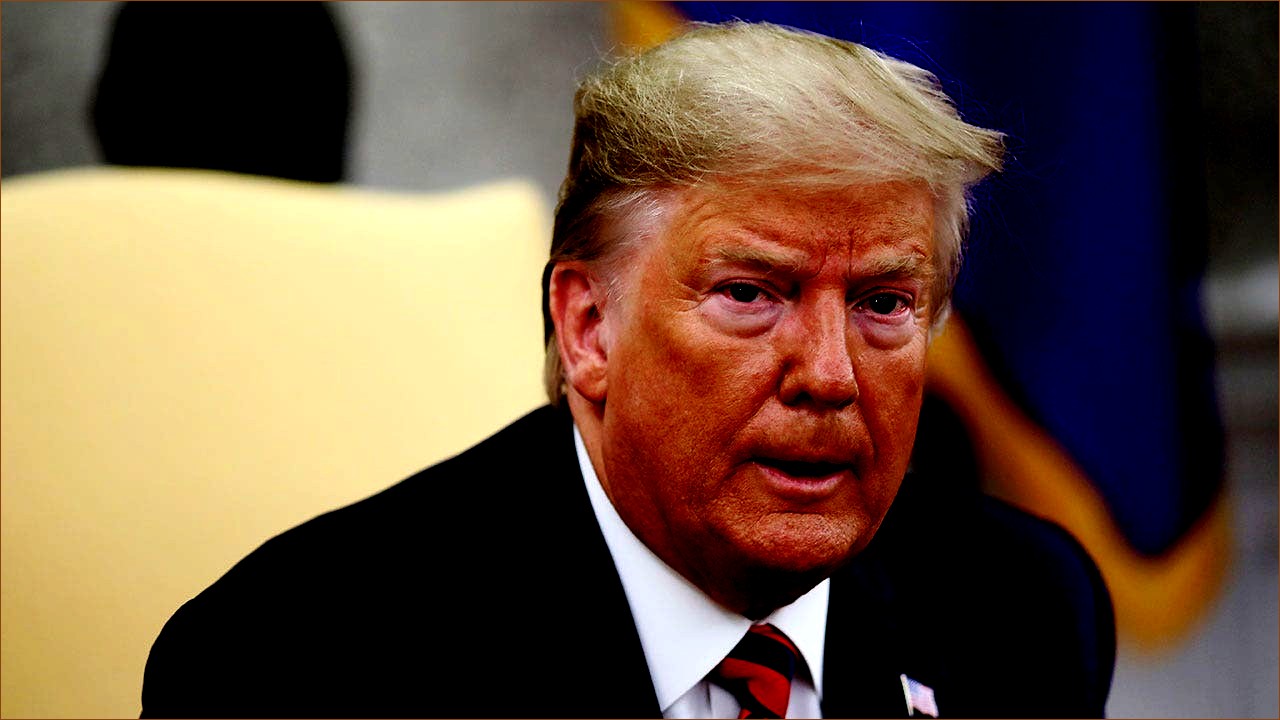
On Thursday, Russia expressed strong disapproval of President Donald Trump’s choice to pull the U.S. out of the 2015 nuclear deal with Iran, stating that American actions are responsible for Iran’s failure to adhere to the international agreement.
This response followed the announcement from the U.K., France, and Germany, known as the E3, that they had activated a mechanism to reimpose strict UN sanctions on Iran within 30 days due to its breaches of the Joint Comprehensive Plan of Action (JCPOA).
Dmitry Polyanskiy, Russia’s UN Ambassador, said, “The United States abandoned the JCPOA, and since then, the situation has worsened.” He emphasized that the real issue began in 2018 when Trump decided to back out of the deal, prompting Iran’s alleged violations.
Trump has repeatedly accused Tehran of breaking the agreement, but the International Atomic Energy Agency (IAEA) and other signatories of the JCPOA have indicated there’s no evidence of Iran expanding its nuclear program until 2019.
Polyanskiy remarked, “Iran’s steps regarding uranium enrichment were taken in direct response to the U.S. leaving the JCPOA. These measures can easily be reversed.”
In a new development, Russia and China proposed a resolution at the UN Security Council aimed at extending the timeline of the Iran nuclear agreement by six months, which would delay the implementation of sanctions against Tehran. However, considering Iran’s previous refusal to comply with such proposals, it seems unlikely that the U.S., France, or the U.K. will support this initiative.
The U.S. has long urged other nations in the agreement to enforce snapback sanctions against Iran for its violations after it withdrew in 2018. Despite concrete evidence that Iran has violated the JCPOA—such as accumulating significant amounts of enriched uranium and not allowing IAEA access—Russia’s representatives argued that the E3’s latest move wouldn’t have any legal weight.
“It’s just an escalatory step,” Polyanskiy commented, adding that Western nations seem to favor threats over diplomatic solutions. A UK official also confirmed that efforts to resolve the issue with Iran have been ongoing for years, highlighting an agreement reached in 2022 that Iran rejected.
Polyanskiy noted a divide in global strategies, stating, “We are at a crossroads. One path leads to peace and diplomacy, while the other is marked by coercion.”
The White House has yet to respond to requests for comment.
