
Brief
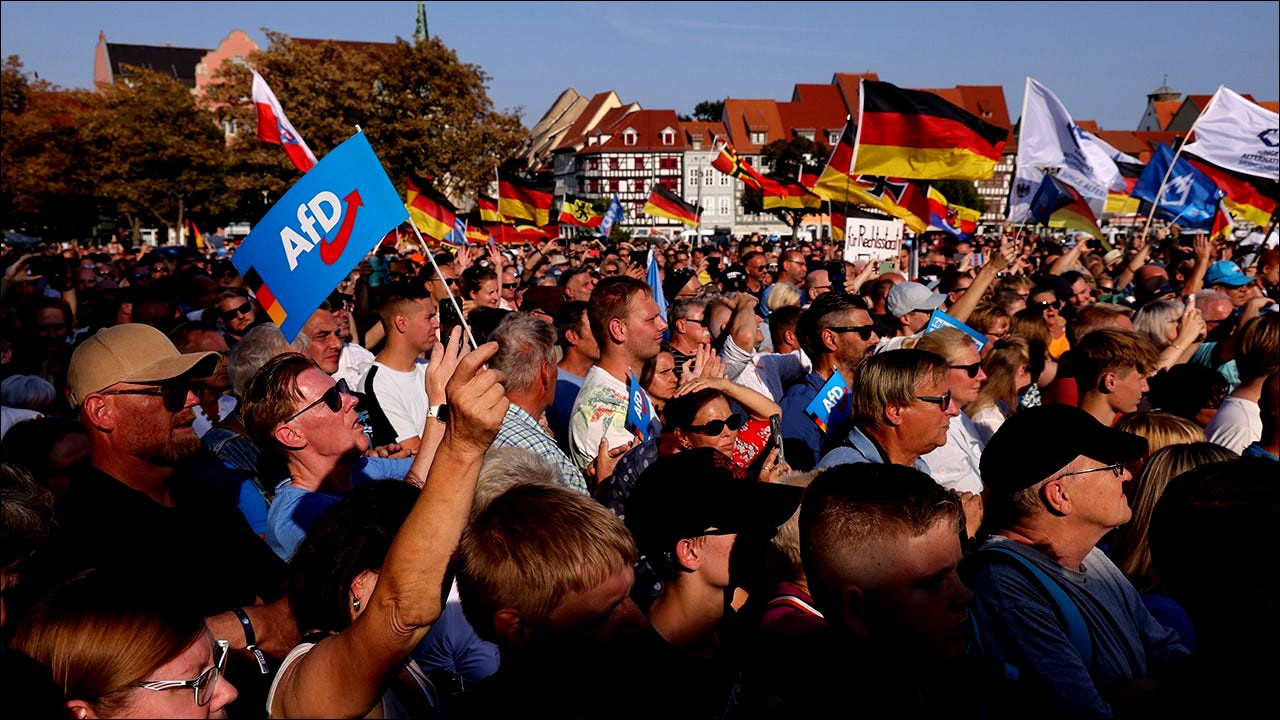
A recent poll shows that Germany’s far-right party, Alternative for Germany (AfD), has taken the lead over the traditional conservative party, the Christian Democratic Union (CDU), led by Chancellor Friedrich Merz. According to the Forsa Institute, the AfD received 26% of the votes in the survey, while the CDU managed only 24%, marking a notable decline for Merz since he took office in May.
The poll revealed that 67% of Germans are unhappy with Merz’s performance after his first 100 days. Additionally, the AfD now stands as the top opposition party in Germany’s Bundestag. Earlier this year, the party faced scrutiny when Germany’s intelligence agency labeled it as “extremist.”
Insight
U.S. Secretary of State Marco Rubio criticized the German government for extending surveillance powers to its intelligence agency, suggesting that it undermines democratic values. He described it as “tyranny in disguise,” arguing that the truly extreme view is held by the establishment regarding open border policies, which the AfD opposes.
Initially founded in 2013 to oppose the euro, the AfD has shifted its focus to hardline stances on immigration and Islam. Other far-right movements in Europe, like Nigel Farage’s Reform UK and France’s National Rally, are also seeing a rise in support.
