
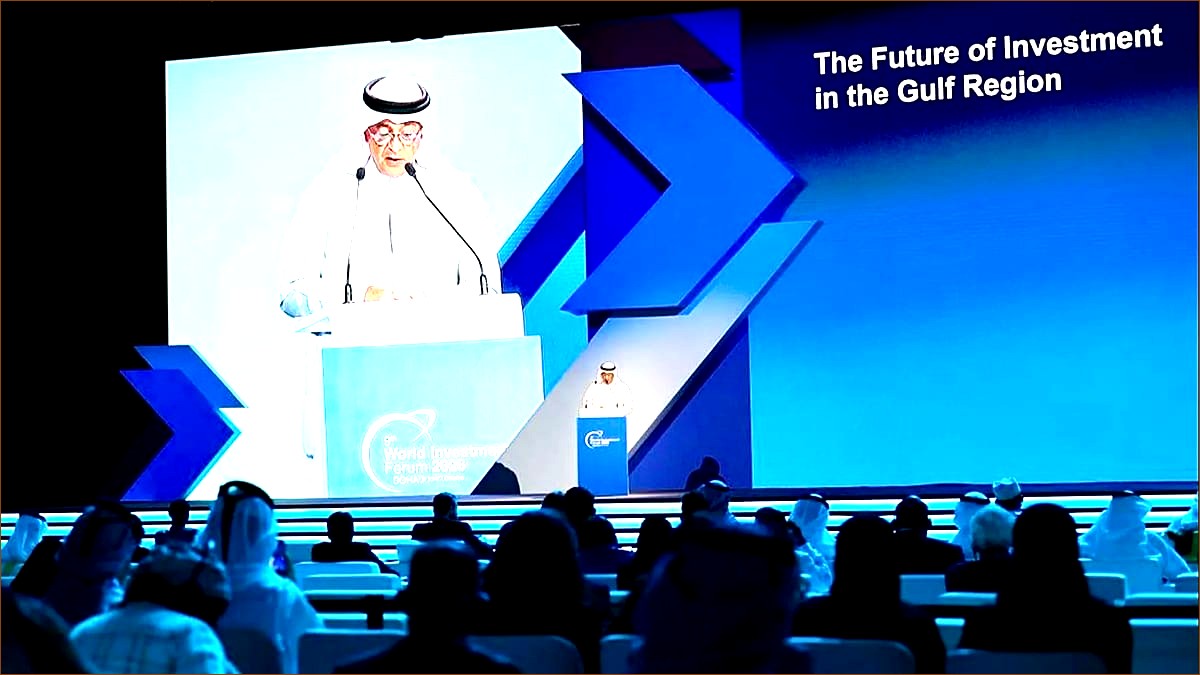
A recent UN report indicates that while foreign investment is growing, the number of new projects is on the decline. This finding was presented during the World Investment Forum, which took place in Doha from October 25 to 27. Organized by the UN Conference on Trade and Development (UNCTAD) and hosted by Qatar, the forum brought together government representatives, businesses, and financial institutions to explore ways to attract more investments and create jobs.
UNCTAD’s Global Investment Trends Monitor, published last Sunday, highlighted that although fewer new projects and cross-border investments are being initiated, larger investment deals are boosting overall investment figures. Notably, new project announcements in developing countries, especially those related to sustainable development, have dropped by more than 25% compared to levels projected for 2025. These figures are based on preliminary data gathered from the first part of 2026.
Moreover, the majority of global foreign direct investment is concentrated in a small number of countries. According to UNCTAD’s World Investment Report 2026, over 80% of foreign direct investment last year went to just 20 economies.
### Factors Influencing Investments
As discussed at the forum, UNCTAD spokesperson Marcelo Risi emphasized that several factors contribute to why some nations attract more investment than others. He pointed out the importance of having robust infrastructure, a skilled workforce, and reliable institutions. Investment is a long-term commitment, so investors need to be clear about the rules and potential partners in a given country.
While tax incentives can be appealing, Risi mentioned that a country must also provide the necessary infrastructure and trained personnel to support business operations.
Mahmoud Mohieldin, the UN’s special envoy on financing the 2030 Agenda for Sustainable Development, stressed that promoting a country’s investment opportunities is not enough to win over investors. He noted that governments need to address challenges at home, such as market entry and exit barriers, unpredictable regulations, and the necessity of preparing projects that are financially viable for investors.
Opportunities can vary greatly from one country to another. For example, Mohieldin highlighted that small island states could leverage their shipping and logistics capabilities, while Africa’s youthful population and natural resources may serve as strong incentives for investment.
According to Mohieldin, a favorable business environment is crucial; having potential is insufficient without the right conditions to nurture it.
In regions perceived as high-risk by investors, public institutions can play a role in mitigating potential losses. Rwodah Al Naimi, director of investment at the Qatar Fund for Development, shared that the fund motivates private investment by offering guarantees while also limiting its own financial risks. Their approach involves co-financing projects with other entities, primarily through international development banks.
“Collaboration is key; we never go it alone,” Al Naimi said, stressing the importance of working together with different organizations.
Ultimately, one of the primary measures of the fund’s success is its impact on job creation. Al Naimi explained, “For any investment we pursue, we always ensure that it contributes to creating jobs for people.”
