
The Ongoing Biryani Debate and India’s Cricket Triumph
The discussion about the best biryani in India is one that may never truly reach a conclusion. Each region boasts its own signature dish, with Hyderabad being a standout. For anyone visiting the city, indulging in a plate of Hyderabadi biryani is an essential experience. While the recipe isn’t excessively complicated, the key ingredient to success is patience.
Preparing this dish can really test your resolve. First, the meat needs to marinate, and the rice has to soak—this initial stage takes time. But the most important part comes when it’s time to cook the biryani on a low flame, known as “dum.” You have to keep the pot sealed for about 20 minutes; if the heat isn’t just right, you risk ending up with burnt rice and meat.
During this cooking stage, the pressure must stay steady, and it’s crucial that no steam escapes. There are no shortcuts; rushing the process could ruin it. If you manage to get the timing right, the outcome is incredibly rewarding—the flavors meld together perfectly, and you’ll be in for a delicious treat.
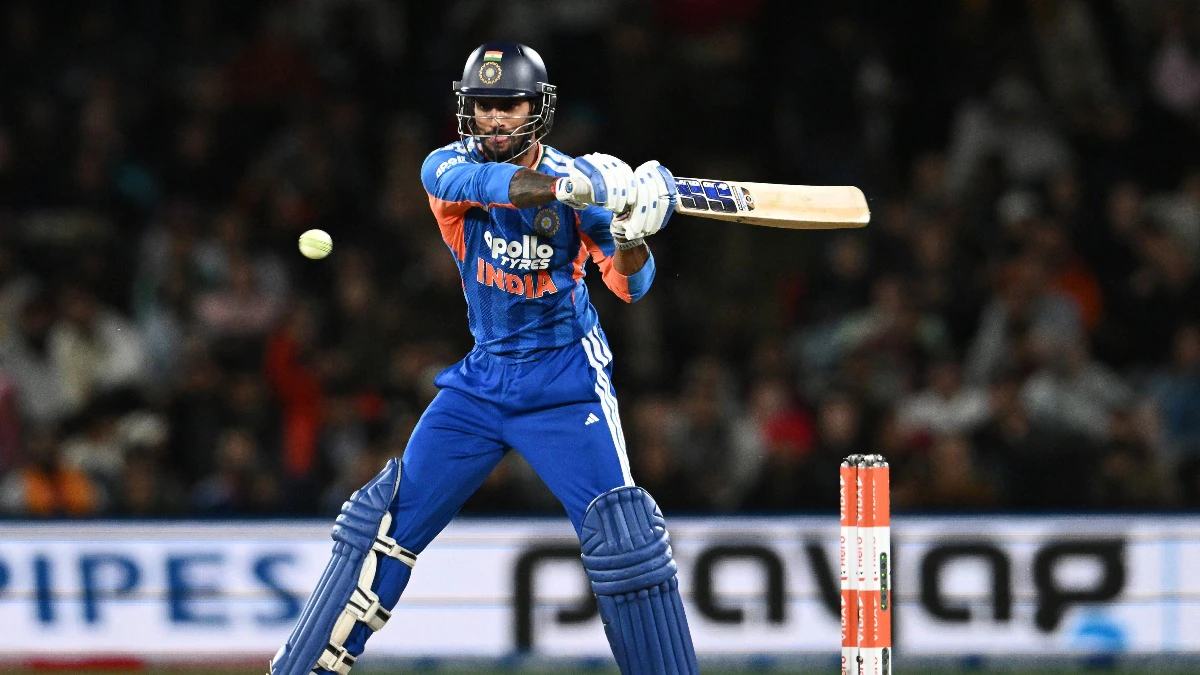
On Saturday, October 24, cricket fans in India were reminded of the Hyderabadi connection when Tilak Varma delivered a fantastic performance in Christchurch, leading India to a four-wicket victory against New Zealand, marking a 2-0 lead in the series.
Tilak’s remarkable innings of 51 runs off just 26 balls, along with a significant partnership with fellow Hyderabadi Nitish Kumar Reddy, turned the tide for India. While his stats reveal a power-packed performance, the journey to those runs was rooted in patience, confidence, and perfect timing.
At one point, Tilak found himself at 10 runs from nine balls, but instead of panicking as the pressure rose, he trusted his ability to catch up when the moment was right. And when that moment arrived, he exploded into action.
“I aimed to take the game deep, and in the end, I achieved what I set out to do. I’m very proud of myself,” Tilak shared.
Tilak’s way of batting can sometimes test the patience of fans, especially in today’s game where quick scoring is the norm. Sometimes, you might find yourself wanting him to pick up the pace. However, Tilak has his own style; he takes the time to assess the situation, ensuring he can strike when the opportunity arises.
This was not his first time using this approach. On January 25, 2025, during a match against England at the Chepauk Stadium—famous for MS Dhoni’s last-minute finishes—India was in a tough spot, chasing 166 but stuck at 78 for five in just 10 overs. In that moment of crisis, Tilak produced a stellar performance with 72 runs off 55 balls to lead India to victory.
Similarly, in the 2025 Asia Cup final against Pakistan, when India found themselves at 20 for three while chasing 147, Tilak stepped up again, scoring an unbeaten 69 off 53 balls to steer India through a nail-biting finish.
Across various matches and conditions, Tilak has repeatedly shown that he thrives under pressure. His starts might not always be explosive, but his finishing skills are what set him apart. This quality is important for both his teammates and fans to appreciate.
Former Indian cricketer Dinesh Karthik highlighted why Tilak’s method works and how those batting around him need to understand it. He explained, “It’s vital for his teammates to realize that Tilak takes time at the start. He won’t take big risks early on, but when needed, he can effortlessly score runs in the closing overs.”
His ability to handle pressure has become a crucial asset. His resilience even when the game seems daunting has shown time and again that he can pull through.
Karthik added, “Tilak didn’t start fast, but he still got the job done. That’s a special skill, which he has demonstrated repeatedly.”
Going forward, India must ensure Tilak sticks to his successful formula. Although he has thrived at No. 3, his recent performances indicate that batting in the middle order—particularly at No. 5 or 6—could allow him to create an even bigger impact as a finisher.
Players like Axar Patel and Naman Dhir could provide flexibility in the lineup, while Tilak seems to fit perfectly in the lower middle order, where he can gauge the match situation before unleashing his batting prowess.
The statistics support this argument. In the final overs of T20 matches in 2026, Tilak has amassed 470 runs off 203 balls, boasting an impressive strike rate of 231.52. These numbers underline his capacity to dominate when he gets going.
Tilak’s ability to finish games has become more critical than quick starts in today’s T20 landscape. He proves that a slow start doesn’t need to mean a slow finish. His patience mirrors the careful preparation of making Hyderabadi dum biryani—time is essential, pressure builds, and the true magic occurs at just the right moment.
As India continues to back him, they must trust his instincts and let him do what he does best. Just like a well-cooked biryani, when Tilak is given the time to shine, the outcome is always well worth the wait.
