
H-1B Visa Debate Heats Up Amid U.S. Election Cycle
The discussion surrounding the H-1B visa is far from new, often resurfacing during U.S. election years, both mid-term and presidential. This ongoing debate has long been a point of contention, particularly for Indian reporters dealing with the tech sector in the U.S. Over the years, I’ve received numerous urgent messages from organizations representing India’s information technology industry, calling for increased access to H-1B visas. At the same time, I’ve heard strong objections from American labor unions that claim hiring Indian workers under these visas is harming jobs for American citizens.
Once the election season concludes, the fervor over the H-1B issue typically fades until the next cycle. This pattern highlights how jobs remain a highly emotional topic across different societies, making it easy to spark fears about job losses, often fueled by misinformation and xenophobia.
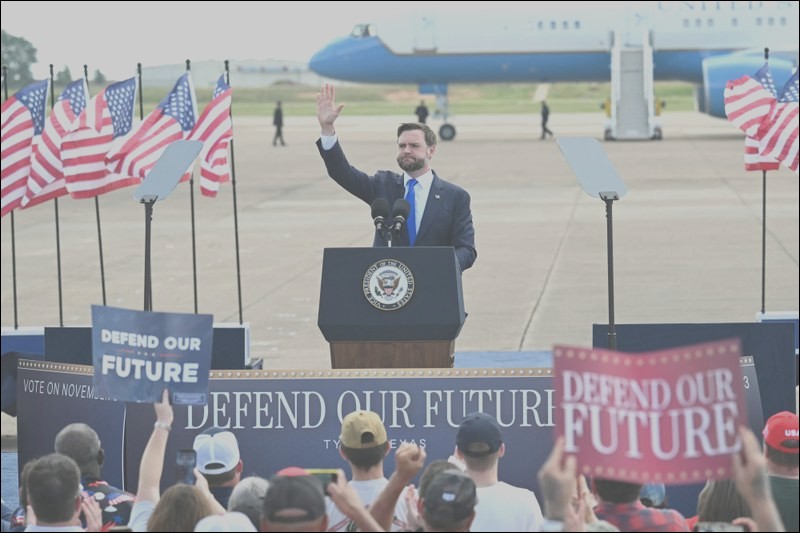
Recently, U.S. Vice President JD Vance made headlines with his remarks targeting Indian workers—though without specifically naming them. His comments led India’s Ministry of External Affairs (MEA) to criticize him for using language that evokes painful colonial history. The MEA called his remarks “deeply offensive,” particularly condemning the phrase “foreign indentured servants” used to refer to H-1B visa holders seeking permanent residency in the U.S.
What prompted such strong language from Vance? With an important Senate seat in Ohio to defend in the upcoming elections, he appears eager to rally support for fellow Republican Jon Husted. Vance’s ambitions for a presidential run in 2029 hinge on maintaining strong ties in Ohio, a state considered a key battleground. The fortunes of other prominent Republicans, including Marco Rubio of Florida, will also influence the larger party dynamics.
Currently, Ohio is viewed as a “toss-up” state, meaning the outcome could easily sway either way. Complicating matters for Vance and Husted is Vivek Ramaswamy, a Republican gubernatorial candidate from Ohio. Although Ramaswamy was born in the U.S. and did not enter through the H-1B program, many voters mistakenly connect him with immigrant narratives, fearing that he benefited at the expense of other Americans.
To reclaim support amidst rising anti-immigrant sentiment, Vance must navigate carefully around these issues. Interestingly, his wife, Usha, is of Indian descent and a Hindu, but like Ramaswamy, she is an American born in the U.S.
The MEA’s recent statement asserting that the U.S. H-1B program is beneficial to American companies may not resonate well with Indians currently in the U.S. or those aspiring to work there. This statement carries an assumption that India knows better than the U.S. about what is good for its economy.
When American officials make comments perceived as unfavorable toward India, the MEA often responds with terms like “misinformed” and “unwarranted.” However, the matter of U.S. visas and residency is inherently a domestic issue, and India should refrain from intervening in American affairs.
Despite the MEA’s statement indicating a decline in mutual ambitions, it remains clear that such rhetoric is unlikely to influence U.S. immigration policies favorably. Instead, it may further entrench existing attitudes against skilled immigration from India.
Going forward, India must rebuild alliances in the U.S. that once effectively advocated for the H-1B program and expedited green cards for skilled immigrants during the administrations of leaders like Atal Bihari Vajpayee and Manmohan Singh. Those were times when Indian professionals faced similar challenges and had robust support systems to counteract them. These alliances included partnerships with organizations like the Confederation of Indian Industry (CII) and the Federation of Indian Chambers of Commerce and Industry (FICCI), both of which had a significant presence in Washington and helped convey the message that Business Process Outsourcing (BPO) was beneficial to American jobs, not detrimental.
Figures like Kiran Pasricha played a key role in strengthening these ties and even reached out to top officials like then-First Lady Hillary Clinton to address trade concerns. Such direct access to American power players is dwindling now, and high-profile Indian business leaders also need to join efforts to communicate the contributions they make to the U.S. economy.
In contrast to the MEA’s positive take on the impact of fewer H-1B visas on the Indian economy, other voices within the government suggest that this downturn may not be in the best interest of those looking to work in the U.S. It’s crucial for India to foster international relationships that support talent mobility, as failing to do so could lead to long-lasting negative sentiments regarding skilled immigrants that would stretch beyond the current election cycle. If this trend continues, the landscape for skilled immigration may undergo drastic changes that could hinder future opportunities for Indian families wishing to work in America.
