
Celebrating Navratri: A Time of Joy and Devotion in India
Navratri, a significant Hindu festival, is celebrated with great enthusiasm across India. This vibrant festival spans nine nights and is dedicated to the worship of Goddess Durga in her various forms. Each day of Navratri represents a different avatar of the goddess, symbolizing the victory of good over evil.
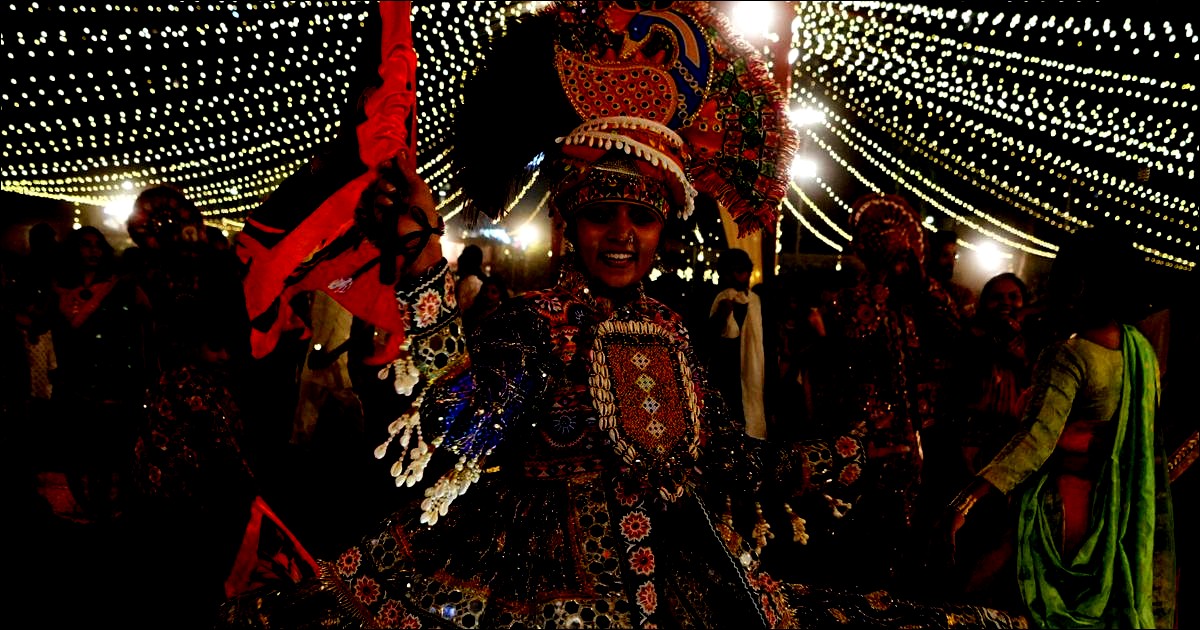
During these nine days, devotees engage in various rituals and festivities. Many people observe fasts, attend prayers, and participate in traditional dances like Garba and Dandiya. These spirited dances take place in communal settings, bringing together families and friends in a joyful atmosphere.
Color plays an essential role in the celebrations, with each day associated with a specific color representing different virtues and energies. People often dress in colorful outfits to honor the goddess and add to the festive spirit.
Temples and homes are adorned with beautiful decorations, and devotees light lamps and candles to signify the arrival of the goddess. The festival fosters a sense of community, as people come together to celebrate their shared faith and traditions.
Navratri also serves as a time for reflection and renewal. Many devotees use this period to seek blessings, improve their spiritual practices, and connect more deeply with their beliefs. The festival not only showcases rich cultural heritage but also emphasizes communal harmony and devotion.
As the festival concludes, it culminates in Dussehra, symbolizing the triumph of good over evil with grand processions and celebrations.
Navratri remains an important part of India’s cultural and spiritual landscape, embodying the spirit of devotion, joy, and unity among diverse communities across the country.
