
New Research Highlights Side Effects of GLP-1 Medications
Recent findings reveal that individuals using GLP-1 medications for weight loss or diabetes may face increased risks of nail problems and hair loss compared to those who do not use these drugs. This was presented in a study at the European Academy of Dermatology and Venereology Congress held in Vienna on October 1, 2026.
The research involved 575 participants taking GLP-1 medications (glucagon-like peptide-1), alongside a control group of 1,329 people with similar health conditions, including obesity and type 2 diabetes. The participants were located in various countries, including the United States, France, Brazil, and Mexico.
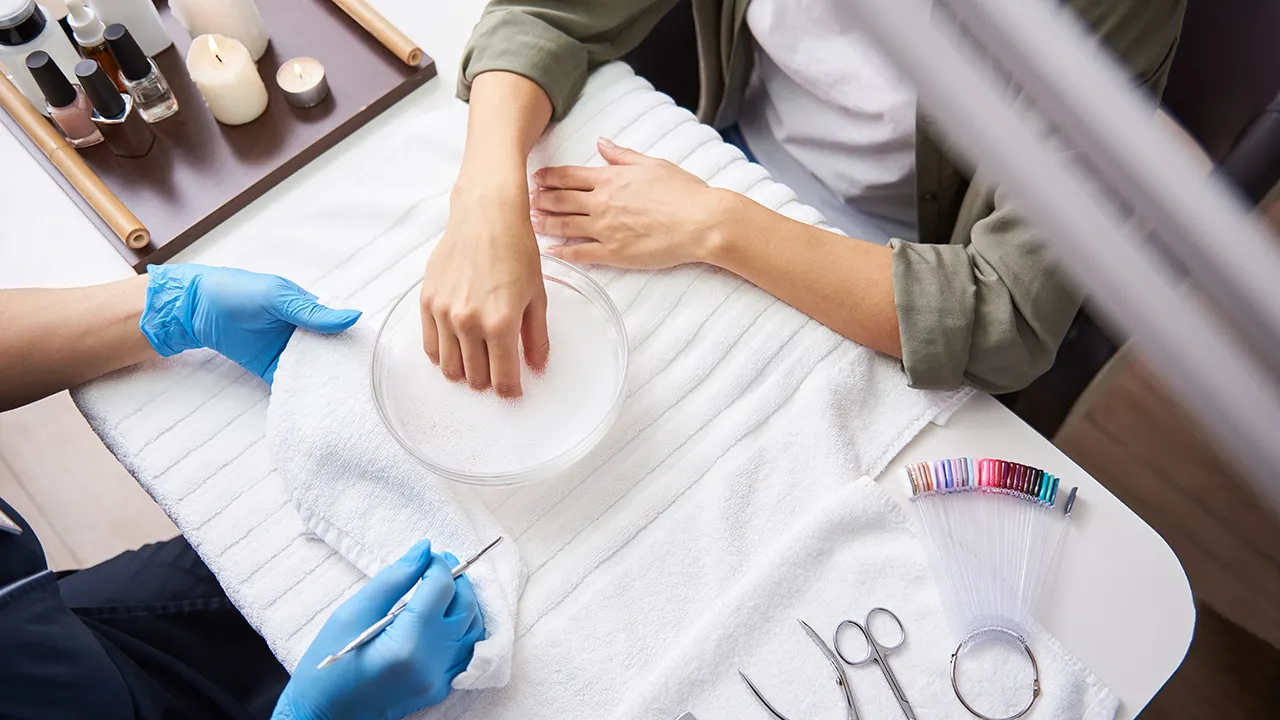
In the study focusing on nail health, a striking 39% of those taking GLP-1 medications reported experiencing nail detachment, compared to just 9% in the non-user group. Notably, 46% of GLP-1 users reported discoloration of their nails, in contrast to 17% of participants not using these medications. Overall, about two-thirds of GLP-1 users experienced at least one nail issue, compared to 53% of the control group.
Researchers concluded that merely losing weight did not account for the differences observed. Even among those who lost weight, GLP-1 users were still more likely to experience these issues. Adjustments for existing skin conditions and nutritional deficiencies indicated that nail detachment and discoloration were two to three times more prevalent in medication users.
Dr. Charles Taïeb, a clinical dermatologist involved in the study, stated that while their findings show a significant connection, not all changes during GLP-1 treatment are directly caused by the medication itself.
In a separate study evaluating hair and scalp conditions among the participants, 50% of GLP-1 users reported unusual hair loss, compared to 34% in the control group. Following treatment, 26% of GLP-1 users noted hair loss or thinning, while just 12% of those not on the drugs reported similar effects. Additionally, 42% of GLP-1 users experienced a reduction in hair volume, compared to 19% in the non-user group.
The researchers noted that symptoms of scalp irritation, including redness, were reported about three times more frequently in GLP-1 users. The hair loss was often accompanied by inflammatory scalp issues such as itching and scaling.
Dr. Bruno Halioua, another dermatologist on the research team, remarked that scalp inflammation might play a significant role and often goes unnoticed by healthcare providers. He advised that patients experiencing these symptoms should consult their doctors rather than stopping the medication, emphasizing that these changes are usually not serious enough to require halting treatment.
Both studies relied on patient-reported data at just one point in time, meaning the findings show correlations rather than proving that GLP-1 medications directly cause these health issues. It’s worth noting that nearly half of the GLP-1 users surveyed reported experiencing nail problems even before starting the treatment.
The research team plans further investigations to understand when these changes occur, their underlying causes, and whether they resolve over time. The studies received support from DUCRAY Laboratories, a part of the Pierre Fabre Group.
