
The World Architecture Festival (WAF) is an event that highlights unique buildings from all over the globe each year. A team of international architects and specialists evaluates submitted designs to decide which project will be named “Building of the Year.” Each year, a list of standout projects is shared, highlighting some of the most remarkable structures worldwide.
For the 2026 awards, 416 entries made it onto WAF’s shortlist, categorized into completed buildings, upcoming projects, interior designs, and landscapes. Finalists will present their works to a panel of judges in Fort Lauderdale, Florida, this November.
Among the contenders for “Building of the Year” in the completed buildings category are various structures, classified into different types, including civic, residential, and office spaces. The WAF features 164 judges from 37 countries who will evaluate these innovations.
An overview of some extraordinary architectural designs showcased includes:
-
270 Park Avenue, New York, USA (2025): This stunning 60-story headquarters for JPMorgan is designed to accommodate up to 10,000 employees. The building, created by Foster + Partners, spans 2.5 million square feet and features electric amenities tailored for flexible work environments.
-
Alila Mayakoba, Riviera Maya, Mexico (2026): This revamped luxury resort, initially established before extensive renovations in 2025 and 2026, has embraced a new design that emphasizes community engagement, including areas like a reflecting pool for natural light and inviting social spaces.
-
Amami House, Amami Island, Japan (2025): Featuring a unique design that produces its own energy through solar power, the private residence showcases how architecture can respond to environmental challenges while promoting independent living.
-
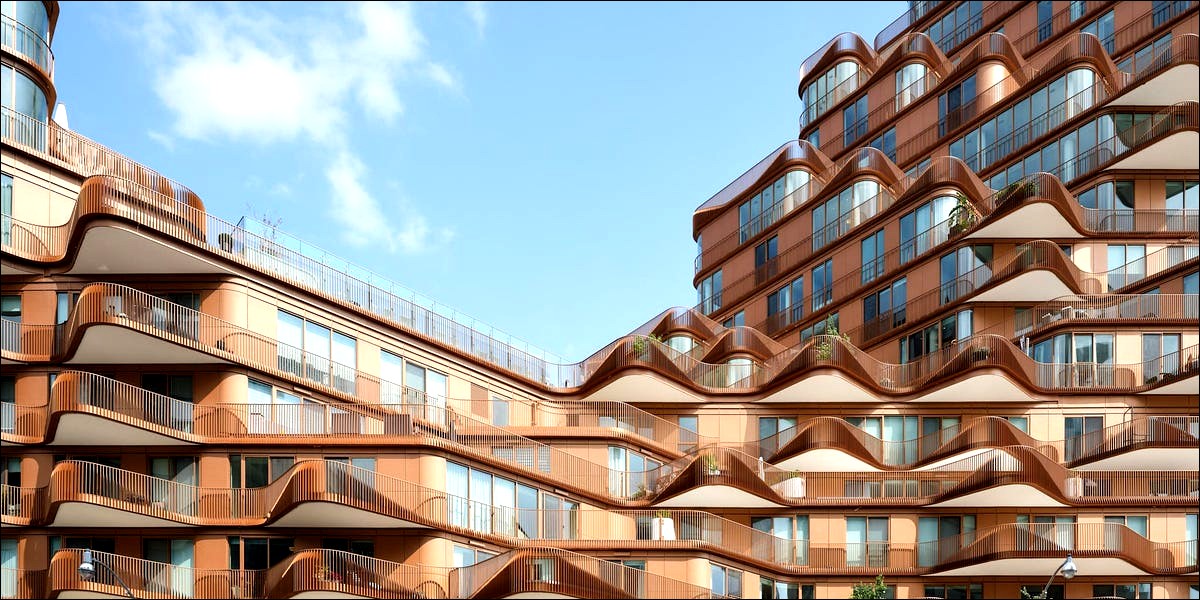
Aqualuna, Toronto, Canada (2025): Designed as a vibrant apartment complex by 3XN GXN, Aqualuna offers 215 residential units, each with outdoor areas, encouraging community interaction through shared amenities inspired by traditional Danish apartments.
-
Ayana, Sholayur, India (2025): Tucked into the landscape of Sholayur, this boutique resort is designed to blend harmoniously with its surroundings, featuring a layout that respects the natural contours of the land.
-
Citadella – The Bastion of Liberty, Budapest, Hungary (2026): Once a fortress, this historic building has been revitalized into a public museum and park, preserving its historical significance while adapting to modern uses.
-
Crest Nine, Maharashtra, India (2026): Serving as a community hub, this wellness-oriented structure includes multiple amenities such as sports facilities, dining options, and a health club, all centered around outdoor pools.
-
The Folia, Zhejiang Province, China (2026): A mixed-use complex that integrates residential, retail, and hospitality spaces, this innovative design seamlessly fits into the surrounding bamboo forest.
-
Mercado Nicolás Bravo, Quintana Roo, Mexico (2024): This vibrant crafts market doubles as a community center, aiming to showcase local culture and sustainability through an innovative roof that collects rainwater.
-
Murray-Massenburg Elementary School, North Carolina, USA (2026): This newly designed school creates a welcoming and less overwhelming environment for students with its courtyard-centered layout and rooftop garden.
These entries reflect a commitment to sustainability, community, and innovative design, underscoring the importance of architecture in contributing to improved living environments. As the festival approaches, the anticipation grows for which of these outstanding projects will be recognized among the best in architecture.
