
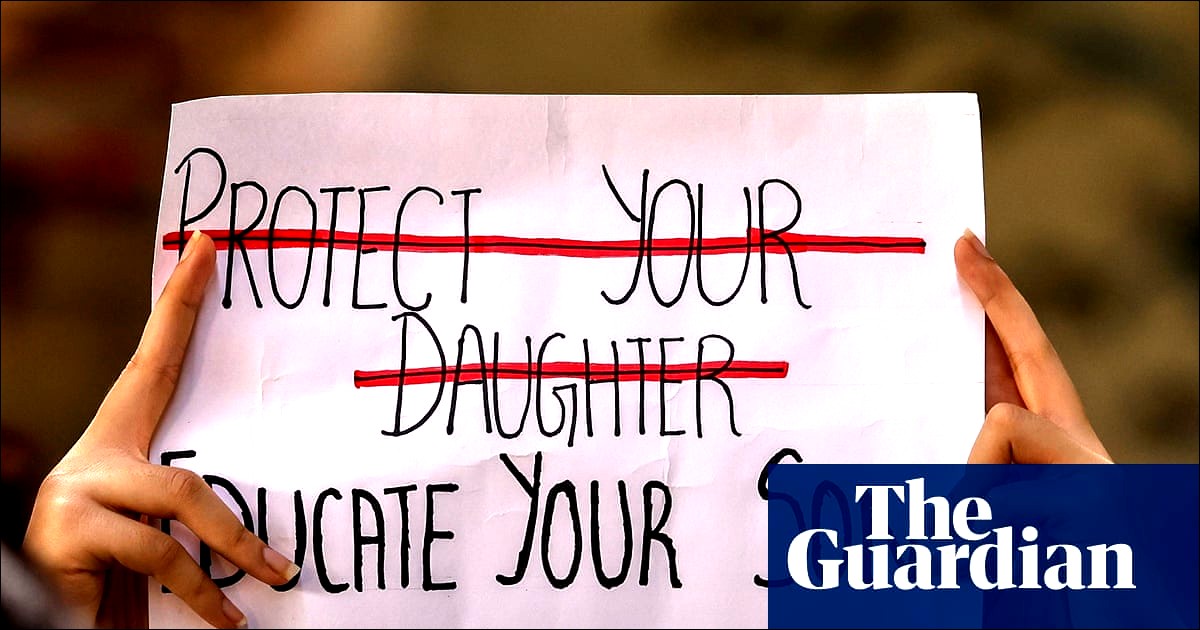
In Delhi, hundreds of women took to the streets recently, holding powerful signs that echoed their frustration and demand for justice. One sign read, “Girls don’t need curfews, rapists need consequences,” while another boldly stated, “Lock your dicks rather than your women at home.” As they marched from their university campus onto the busy streets, the message was clear: they were fighting against the everyday threat of sexual harassment and violence.
These protests were ignited by recent tragedies when several brutal rapes took place in Delhi. A 17-year-old girl was reportedly gang-raped in a public park by three men who pretended to be police officers. Just prior to that, another 17-year-old girl was gang-raped and murdered in Swaroop Nagar; her body was discovered days later, having been partially consumed by animals. The month also saw horrific cases involving much younger victims, highlighting a continuous pattern of violence against women.
Women participating in the protests expressed their outrage over these events, describing the crimes as appalling and urging that such violence against minors should not be considered normal. Fourteen years after the infamous Nirbhaya case, which led to widespread protests and promises for change, many women feel that nothing much has improved. Statistics show that a woman is raped in India every 20 minutes, with many incidents going unreported.
In reaction to the recent cases, the Supreme Court noted the systemic failures in the country’s handling of such crimes, drawing parallels to the Nirbhaya incident. During the protests, history student Vaishnavi Dhruw expressed concern over safety in the city, saying no woman feels truly safe in Delhi.
Protesters demanded not just better safety measures like improved lighting and policing, but also a deeper societal change that shifts the mindset about women’s rights. “We want the freedom to walk our streets without fear,” Dhruw declared passionately. Instead of addressing the root of the problem – male violence – many authorities suggested limiting women’s freedoms. For example, women were advised to avoid parks at night, and some colleges imposed strict rules on their students.
Students like Aranya Rathore voiced their frustration with these measures, saying, “Instead of targeting criminals, authorities are telling women to stay home.” They emphasized that safety should not come at the cost of freedom.
The pressure of safety often looms large for female students, who structure their lives around avoiding harassment. Many feel the need to choose educational and career paths based on proximity to their homes rather than personal ambitions, knowing that traveling alone can present significant risks.
While the protests spotlighted the reality of life for women in Delhi, they also united a generation that is increasingly unwilling to stay silent. Former student Ananya Wig shared her experiences of harassment, highlighting a troubling atmosphere that persists despite advancements in education and employment opportunities for women.
Devyani Sarkar, a postgraduate student, added to the conversation by pointing out that even within prestigious institutions like Delhi University, there are alarming cases of sexual harassment involving faculty members.
This movement reflects a growing awareness among young people about the need for change. As 17-year-old Subhani put it, “My generation isn’t afraid to protest. The days of women being silent are over.” With their growing numbers and voice, these students are demanding respect and safety in their lives, hoping to reshape the future for themselves and the generations to come.
