
Dengue Fever Sparks State of Emergency in Florida Counties
Three counties in Florida have declared a state of emergency due to an increase in cases of dengue fever, a mosquito-borne illness. As of September 23, Pasco County, Hillsborough County, and Pinellas County have made these declarations to tackle the growing health concern, as reported by each county’s news office.
These formal declarations empower local officials to carry out mosquito control measures more swiftly, make necessary emergency purchases, coordinate responses, and, if needed, seek assistance from state or federal agencies.
According to the Florida Department of Health, there have been 190 confirmed cases of dengue that were locally acquired across six counties in Florida. The latest report covers cases identified through September 19 and reveals that Hillsborough County has seen the most significant number, with 170 cases. Additionally, there were seven cases each in Miami-Dade and Pinellas, three in Orange, two in Pasco, and one in Palm Beach County.
Although dengue is more commonly associated with tropical regions, Florida has recorded instances of locally acquired cases, alongside travel-related infections. Dengue fever can lead to symptoms like high fever, severe headaches, nausea, and rashes. While most individuals recover fully, the illness can, in rare situations, lead to severe complications.
Experts note that the Aedes mosquitoes responsible for transmitting dengue are active during the day and prefer warm, humid areas—conditions frequently found in Florida. To prevent the spread of dengue, it is crucial for residents to be aware of local mosquito activities and to take measures to avoid bites.
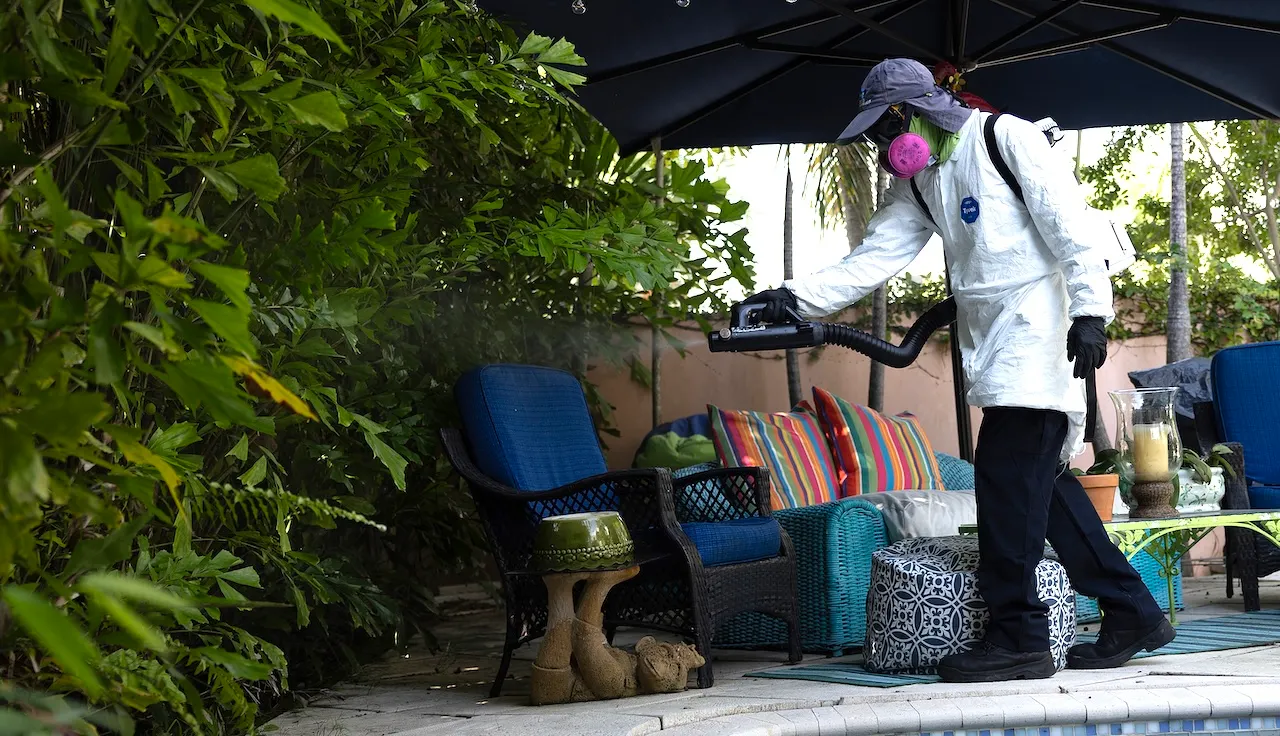
The Florida Mosquito Control Association has announced that they will increase both aerial and ground treatments in areas where dengue is detected. They will also inspect private yards to find and eliminate areas where mosquitoes can breed, as these insects often lay eggs in standing water found in items like buckets or plant pots.
Residents are advised to take specific precautions to reduce mosquito exposure. These include:
- Using insect repellent registered with the Environmental Protection Agency (EPA) according to the instructions on the label.
- Removing any sources of standing water near their homes, as even small amounts can be breeding grounds for mosquitoes.
- Applying sunscreen first and then insect repellent, following the guidance on both products.
- Protecting against mosquitoes not only in the early mornings and evenings but throughout the day, as these mosquitoes can bite anytime.
Dressing in long sleeves and wearing light-colored clothing can also help protect against bites.
While many infected with dengue may not exhibit symptoms, those who do typically start feeling unwell within four to ten days after being bitten. Signs of severe dengue can appear quickly, sometimes after a period of improvement, and can include severe abdominal pain, persistent vomiting, unusual bruising or bleeding, and difficulty breathing. Those experiencing these severe symptoms should seek medical attention immediately.
As Florida faces this public health challenge, it’s essential for residents to stay informed and proactive in preventing mosquito bites.
