
Shifts in Urban Deliveries: Understanding the Changes and Risks
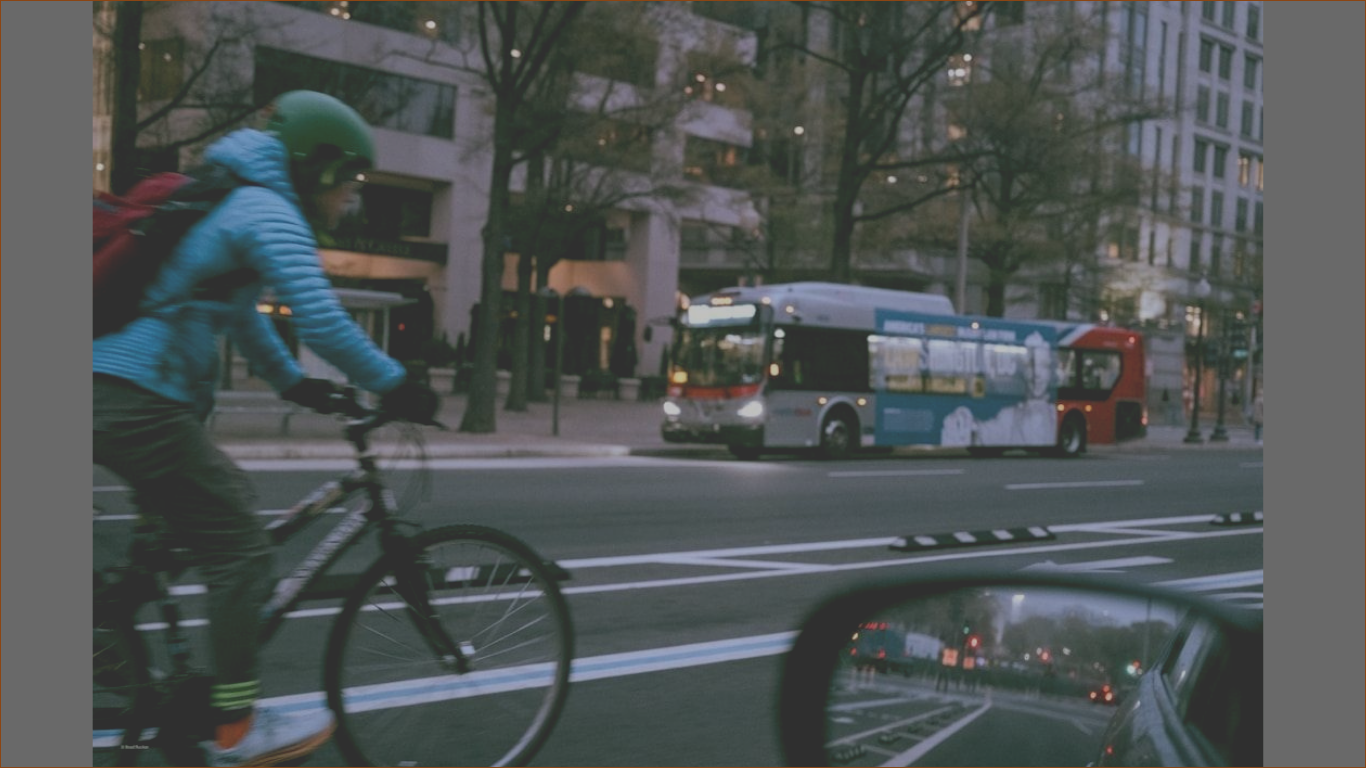
Over the last ten years, urban logistics have transformed significantly. A growing number of restaurant, grocery, and parcel deliveries now rely on bicycles, including electric bikes. For the businesses behind these deliveries, this shift is not just about speed and cost; it also involves managing risks, although few companies treat it as a serious concern.
Take Los Angeles as an example. The city has ample wide roads, a year-round biking climate, and a large workforce of couriers. Law firms like Agemian Law Group deal with cases of cyclists injured in accidents. It’s important to note that legal rules vary by state and country, so it’s always a good idea to seek local legal advice for specific situations.
Why Are Deliveries Now Done on Two Wheels?
The economics of delivery have shifted. Bicycles are more efficient than vans for short trips in urban areas; they avoid parking fees and usually don’t get stuck in traffic. Additionally, it’s easier for companies to hire or let go of riders compared to managing a fleet of leased vehicles.
The rise of electric bikes has further expanded their use. According to federal regulations, a low-speed electric bike has a motor under 750 watts. States typically categorize them into three classes, with Class 1 and Class 2 capped at 20 mph and Class 3 at 28 mph. This change shows that electric bikes are moving from being seen as just a novelty to being essential for work.
However, this growth in delivery via bicycle is not tracked in the same way as motor vehicles. Since bicycles do not need registration, they often slip through the cracks of traditional delivery tracking.
Who Takes the Risk When a Rider Is Injured?
The classification of the rider—whether they are an employee or an independent contractor—largely determines liability in case of an accident. Here are four key questions that usually help decide this:
- Who determines the rider’s route and schedule?
- Who provides the bike and delivery equipment?
- Can the rider work with other companies at the same time?
- Is the delivery work a core part of the business or just an add-on?
If a rider is classified as an employee, the employer can be held liable for accidents that happen during work. For contractors, the line is less clear, and courts usually assess the real nature of the work situation rather than just looking at the contractual title.
What Does Commercial Insurance Cover?
Surprisingly, many operators discover that their insurance coverage is not as comprehensive as they believed. Standard general liability policies typically do not cover incidents involving vehicles. Commercial auto policies often only consider motorized vehicles, leaving bicycles in a grey area.
Common gaps in coverage include:
- No owned-auto schedule because the company does not own any vehicles.
- Hired and non-owned auto coverage that does not account for bicycles.
- Workers’ compensation that applies only to employees.
- Personal rider policies that exclude business use.
- Platform coverage that activates only during an active delivery.
It’s essential to remember that limits are crucial, too. Commercial auto policies may offer coverage up to one million dollars per incident, which can be quickly surpassed with a significant injury claim that considers medical costs and lost wages, rather than vehicle repairs.
How Do Redesigned Streets Affect Delivery Operations?
Cities are increasingly making streets more bike-friendly, which influences where couriers can operate. In Los Angeles, a long-term mobility plan was enacted in 2015, and voters supported further street improvements in 2024, requiring upgrades whenever roads are resurfaced.
Protected bike lanes can reduce conflicts on the road but may concentrate risk at intersections. Key areas like junctions and delivery zones become more critical for safety. Transportation data is continuously updated to reflect these changes, enabling better planning for deliveries involving bicycles.
Why Does the Impact of an Incident Last Longer Than the Event Itself?
The process of filing a claim is usually slower than the news cycle might suggest. Medical treatment must stabilize before injury claims can be fairly assessed. Typically, this sequence unfolds:
- The accident and the initial report occur, usually within a day.
- Requests for video evidence are made within two weeks.
- Discussions about employment status take place over a few months.
- Medical recovery can take a year or longer.
- Legal settlements or lawsuits might only finalize two to four years later.
Financial implications linger for years after the event, complicating how claims are recorded and managed.
Key Points for Risk Committees to Consider
- Bicycles and e-bikes create hidden risks not accounted for in vehicle registers.
- The classification of the rider impacts which insurance policy applies.
- Both general liability and commercial auto policies may deny the same claim.
- Street redesign can shift courier routes and introduce new risks.
- Financial responsibilities can extend long after operations have continued.
Recognizing the Changing Landscape of Delivery Risk
Two-wheeled deliveries are now a part of everyday business, and this trend is here to stay. The wise approach is to categorize this as a specific risk, appoint someone to manage it, and ensure that there are clear insurance policies and reporting lines in place.
Businesses should thoroughly review their insurance exclusions and confirm employee classifications. It’s essential to ensure that insurance limits consider the worst-case scenarios rather than average situations.
FAQs
Does Using Contractors Shield a Company from Liability?
Not necessarily. The actual working conditions matter more than contract titles. If a company dictates routes and schedules, they may bear more responsibility.
Which Insurance Applies if a Delivery Rider Gets Hurt?
It depends on the employment status and the wording in insurance documents. Employees may be covered by workers’ compensation, while contractors might only have personal coverage that doesn’t apply to commercial use.
Do Electric Bikes Alter Insurance Requirements?
Yes, electric bikes can change the game. Their higher speeds and added power can elevate the severity of collisions. Businesses should consult with their brokers about specific classifications before including them in delivery routes.
What Should a Board Inquire After a Rider Collision?
They should ask about the rider’s employer, existing video footage, which insurers have been informed, and get a reserve estimate for any potential claims.
This new focus on risk and delivery methods is essential in adapting to the evolving urban logistics landscape.
