
Solar panels have become so affordable that in many regions worldwide, businesses that do not utilize solar energy may soon find themselves at a competitive disadvantage. According to the Financial Times, the rise in low-cost solar panels is putting pressure on the electrical grid and challenging the business model of utilities, which are facing declining profits as self-generated energy use surges.
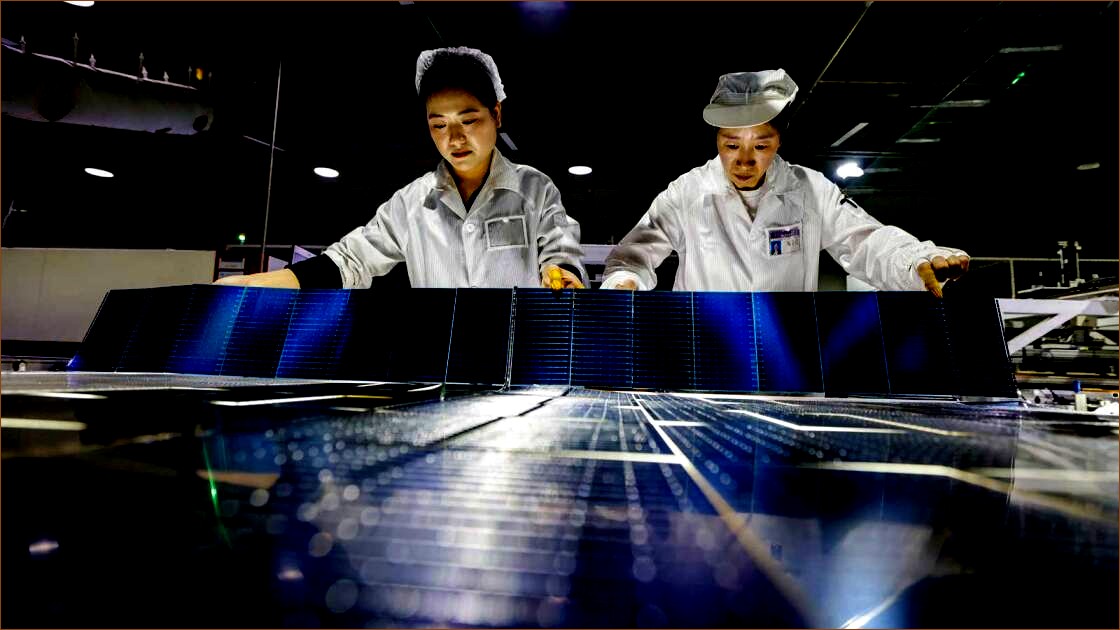
At the beginning of the 2000s, solar panels cost about $5 for each watt of power they produced. Fast forward to today, and that cost has plummeted to roughly $0.12 per watt. This significant drop is largely due to China ramping up its production to around 1.36 terawatts annually. Initially, the low-cost solar options were primarily used in remote areas or places looking to reduce carbon emissions. Now, these panels have become essential for many businesses.
The Financial Times cites a cement company in Northern Pakistan that views solar energy as crucial for survival. With its competitors already benefiting from solar power, it finds it challenging to keep up on pricing, as lower energy costs give rivals a competitive edge, especially when global fuel prices fluctuate due to trade issues and conflicts.
This trend is increasingly observed in developing nations. A report from the green-energy think tank Ember estimates that African countries will collectively add over 17 gigawatts of solar power capacity by 2026. This move will help phase out traditional carbon-emitting sources, like kerosene lamps and charcoal fires.
In the United States, while the government has slowed some efforts to expedite solar expansion, smaller solar setups, including plug-in models for balconies, are still making progress. The UK has recently legalized these systems, and their adoption is expected to surge, especially considering the ongoing energy challenges related to the US-Iran conflict.
However, the swift transition to solar energy is creating obstacles for traditional utility companies. As more houses and businesses turn to solar, especially places with higher energy needs, utility companies are experiencing decreased revenue and less dependable energy demand. On days when the sun doesn’t shine, millions of homes that usually rely on their solar panels suddenly draw more power from the grid.
Additionally, national grids, which were not designed for two-way power flow, are struggling to cope with the rapid increase in solar generation. For example, in 2025, power outages in Spain and Portugal were linked to outdated grid infrastructures unable to handle the growing capacity from individual solar systems.
As more individuals choose to live off the grid, the question arises about who will cover the costs of maintaining and upgrading the grid infrastructure. Raising prices for remaining customers risks burdening those who cannot afford or do not have the means to install solar panels on their homes.
One potential solution is using artificial intelligence to better manage energy loads and the surge of solar power, using smart technology to adjust based on weather forecasts. While creating a modern energy grid may require more complex planning and come with upfront costs, there is no turning back from the solar movement. As global events push up fuel prices and increase uncertainty, many people are simply looking for reliable, affordable energy. Solar energy appears to be the most promising solution to meet that need.
